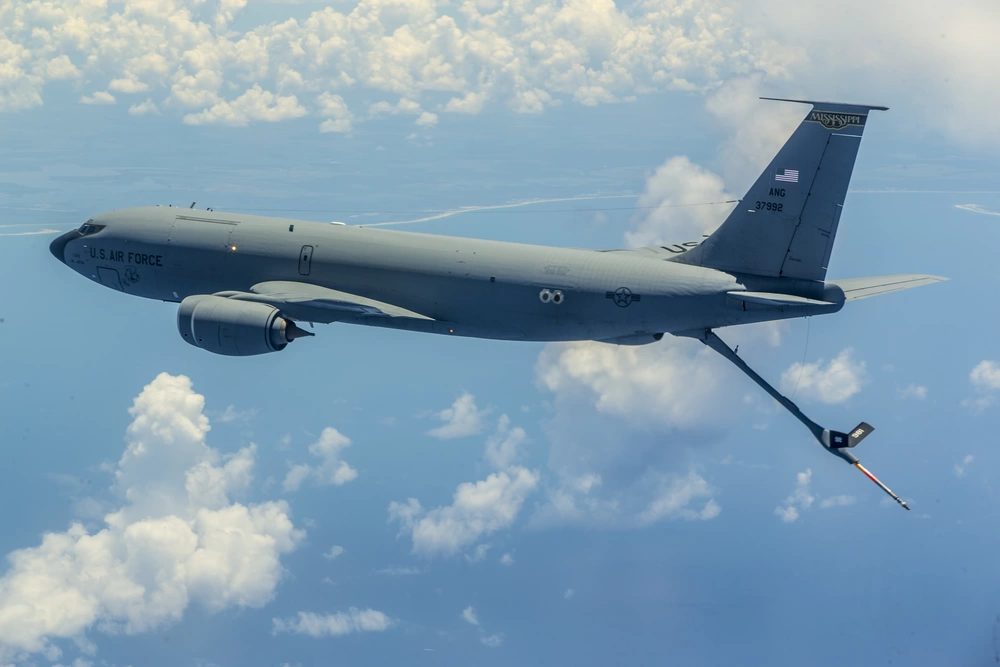
A recent tragic incident in western Iraq, where a U.S. military refueling plane crash claimed six lives, resonates deeply across Western New York. The Niagara Falls Air Reserve Station, a vital pillar of our region’s military readiness, operates the very same type of critical aircraft: the KC-135 Stratotanker. This unfortunate event underscores the demanding and critical nature of missions regularly undertaken by local aircrews, even as the Pentagon announces the deployment of an additional 5,000 U.S. Marines and sailors to the Middle East.
Fatal Mid-Air Collision in Iraq: What We Know
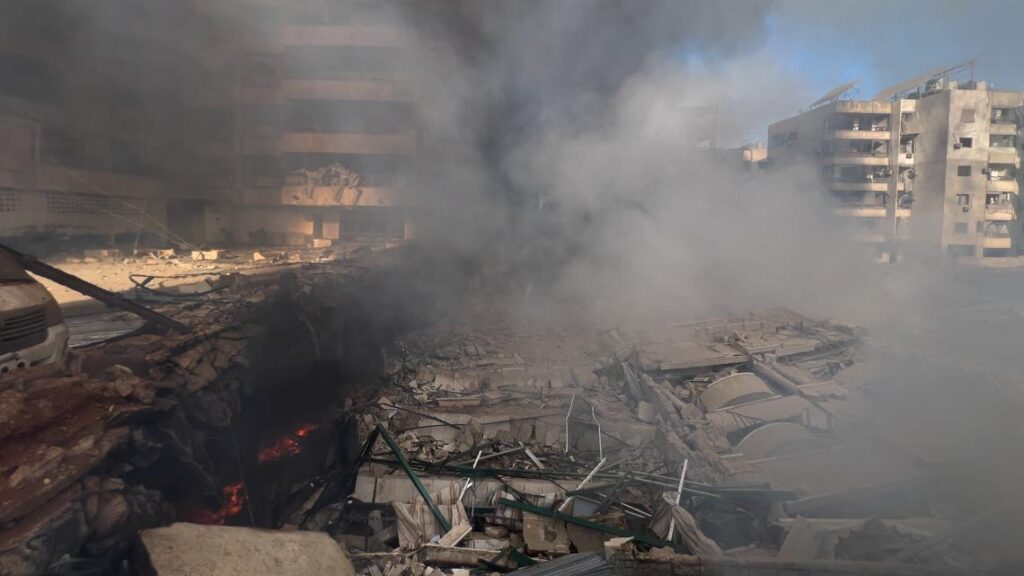
According to the U.S. Central Command, the incident in western Iraq involved an apparent mid-air collision between two large KC-135 tanker planes. This critical event resulted in one of the aircraft crashing. Fortunately, the crew of the other tanker, despite sustaining significant damage with part of its tail or stabilizer sheared off, managed to land safely at an airfield in Israel. The tragic loss of life in such a vital support operation has brought renewed focus on the safety and operational demands placed on air refueling units.
Niagara Falls’ Role: KC-135 Fleet and Advanced Training
The Niagara Falls Air Reserve Station is home to a fleet of eight KC-135 tankers. To ensure peak proficiency and safety for their critical global missions, the base has significantly expanded its training facility. This facility now incorporates sophisticated full-motion simulators specifically designed to sharpen the skills of pilots and boom operators. The objective is to prepare them for the inherently hazardous and precise duty of aerial refueling—a complex operation requiring exceptional precision to link up with other jets flying at high speeds to deliver essential jet fuel.
Commander’s Insight: Proficiency, Deployments, and Local Impact
Air Force Colonel Ryan Mowers, commander of the 914th Air Refueling Wing at Niagara Falls, recently shared insights into how these new simulators dramatically enhance training. He emphasized that the full-motion capabilities keep aircrews current and proficient, ultimately increasing their operational effectiveness. Colonel Mowers also highlighted the unique aerodynamic impact of the refueling boom, explaining that its movement can subtly alter aerodynamic flow, necessitating precise compensation from both the aircraft and autopilot.
The 914th Air Refueling Wing boasts a strong history of deployments and involvement in Middle East operations, including a role last summer in supporting B-2 stealth bombers during operations targeting Iranian nuclear sites. Their consistent historical presence at bases throughout the Middle East underscores the ongoing demands placed on this vital local unit that serves our nation.
Airshow Cancellation and Local Unit’s Non-Involvement
Further underscoring the current operational demands, the eagerly anticipated June airshow in Niagara Falls, which the 914th was scheduled to host, was recently canceled. This cancellation was attributed to the “allocation of resources to U.S. Central Command,” the military command element overseeing operations in the Middle East. While the Pentagon has not yet released the identities or disclosed the units involved with the crashed plane, it is explicitly stated that there is no indication whatsoever of the 914th Refueling Wing’s involvement in this particular mid-air collision or mission. The Western New York community continues to support and follow the critical contributions of our local military personnel.