A volatile and erratic patchwork of severe weather is currently impacting large swaths of the United States, creating a complex logistical challenge for travelers and utility crews alike. From heavy snow rendering roads impassable in the Upper Midwest to damaging high winds fueling wildfires in the Plains, the national landscape is under significant environmental stress. As we monitor these developments at the Lake Erie Times, the ripple effects of these systems are being felt across the Great Lakes region and beyond.
Upper Midwest: Blizzard Conditions and Travel Disruption
The Upper Midwest continues to grapple with intense blizzard conditions. Over 12 inches (30.5 centimeters) of snow has accumulated across portions of Minnesota and Wisconsin. In the Minneapolis-Saint Paul area, blizzard warnings remain in effect with additional accumulation expected.
Transportation officials have categorized many northern Wisconsin roadways as impassable due to near-zero visibility. The impact on air travel has been equally severe; more than 600 flights at Minneapolis-Saint Paul International Airport were canceled, while Detroit saw dozens of scrapped departures. Forecasters anticipate that parts of Michigan’s Upper Peninsula may see totals exceeding 2 feet (61 centimeters) before the system clears.
Plains Region: High Winds and Wildfire Emergencies
In the Plains, the primary threat has shifted from precipitation to wind and fire. Nebraska has declared a wildfire emergency following high-wind gusts that reached up to 60 mph. These conditions facilitated the rapid spread of fires across range and grasslands, prompting the deployment of approximately 30 Nebraska National Guard members to assist local departments.
The scale of the destruction is vast, with three primary fires consuming over 900 square miles. The Morrill County fire alone accounted for 700 square miles of burned territory. Tragically, one fatality was reported on Friday in connection with these fast-moving blazes.
Regional Power Outages and Infrastructure Recovery
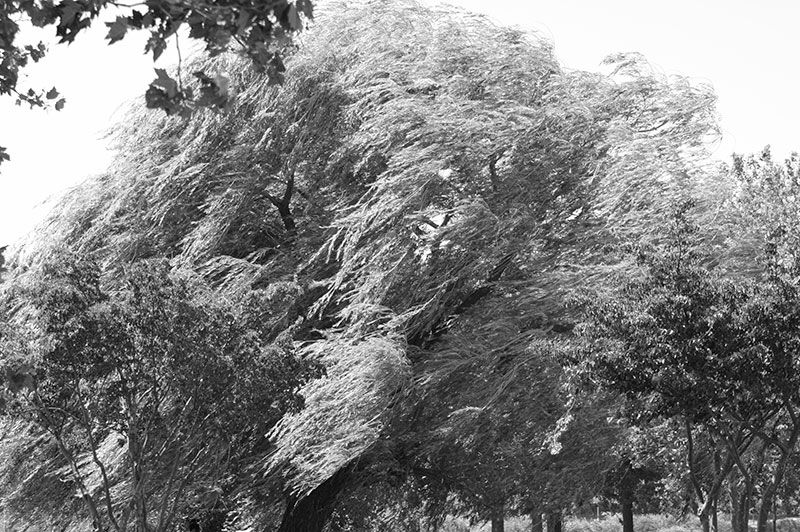
The severe weather has left a trail of infrastructure damage closer to the Western New York region. High wind gusts—some peaking at 85 mph—have knocked out power for thousands of residents in neighboring states. According to data from PowerOutage.us, utility crews are working to restore service to over 150,000 customers.
| State | Estimated Outages | Primary Weather Cause |
|---|---|---|
| Ohio | ~65,000 | High Wind Gusts |
| Pennsylvania | ~45,000 | Wind & Fallen Trees |
| Michigan | ~40,000 | Snow & Ice Accumulation |
| Hawaii | ~48,000 | Flash Flooding / Storms |
Forecast: Tornado Risks and Flooding
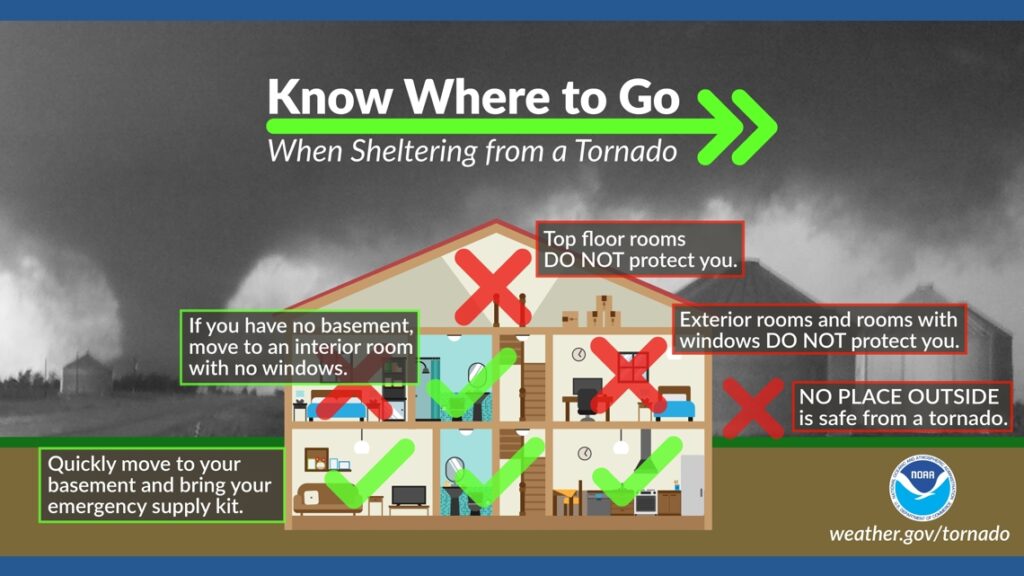
The National Weather Service is tracking a line of severe thunderstorms expected to traverse the East Coast through Monday. The system began moving through the Mississippi and Ohio valleys on Sunday and is projected to enter the Appalachians by early Monday morning. There is a heightened risk for “widespread damaging winds and several tornadoes” across the Mid-Atlantic and Southeast, particularly affecting the corridor from Maryland down to South Carolina.
Simultaneously, severe flooding continues to plague Hawaii. Rainfall rates of up to 2 inches per hour have caused significant flash flooding on Maui, Molokai, and the Big Island. Local authorities have opened emergency shelters as floodwaters impact farmland and residential areas in Waialua and beyond.
As part of our commitment to the Western New York community, the Lake Erie Times will continue to provide updates on how these national patterns may influence local conditions. For more on regional developments, visit our Local News section.
Disclaimer: The content provided by Lake Erie Times is for informational purposes only and should not be considered as professional legal or financial advice.
Affiliate Disclaimer: Some links on Lake Erie Times are affiliate links. This means that if you make a purchase through these links, we may earn a commission at no additional cost to you. Our recommendations are based on careful research and our commitment to quality journalism.