While Western New York is famously known for its “lake effect” snow, the region is increasingly facing the threat of severe wind events and tornadoes. When the National Weather Service issues a tornado warning for Buffalo or the surrounding counties, every second counts. Understanding the structural vulnerabilities of your home and identifying the most secure refuge is not just a precaution—it is a necessity for survival.
Strategic Sheltering: The Lowest Level Advantage
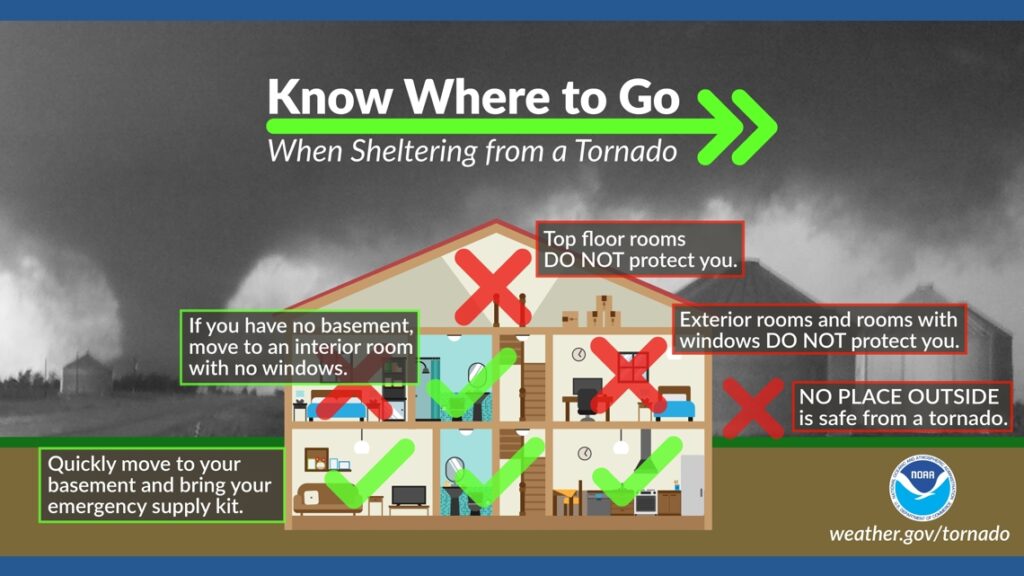
In the investigative analysis of residential structural integrity during high-wind events, the basement consistently emerges as the most reliable sanctuary. Subterranean spaces provide a natural shield against the kinetic energy of flying debris and the uplift forces of a tornado. For residents in the Western New York community, a dedicated storm cellar or a reinforced basement offers the highest probability of safety.
Once downstairs, position yourself in a corner away from windows. Seeking refuge under a sturdy staircase or a heavy workbench provides an additional layer of overhead defense against potential structural failure. To mitigate the risk of injury from falling objects, use heavy blankets, mattresses, or your own arms to protect your head and neck.
Protocols for Above-Ground Residences
Not every home in the Buffalo region features a basement. In these instances, the strategy shifts to maximizing the number of barriers between you and the storm’s exterior forces. The safest alternative is an interior room on the lowest floor—typically a small closet, bathroom, or hallway.
The objective is to stay as far away from the building’s envelope as possible. Avoid expansive rooms like living areas or garages, where wide roof spans are more susceptible to collapse under extreme pressure. Bathrooms often provide extra protection due to the reinforcement of plumbing pipes within the walls.
The Vulnerability of Manufactured and Mobile Homes
A critical concern for regional emergency management is the extreme risk posed to mobile and manufactured homes. Even when properly anchored, these structures lack the foundational mass required to withstand significant tornadic winds. For those living in these communities, “sheltering in place” is often not a viable option.
It is imperative to identify a nearby permanent building or a designated community storm shelter well before a weather emergency occurs. At the first sign of a warning, residents should transition to these sturdier locations immediately.
Essential Safety Equipment and Personal Protection
Beyond finding a physical location, personal protective measures can drastically reduce the risk of blunt-force trauma. The following table outlines the priority levels for different shelter options and necessary gear:
| Shelter Category | Safety Rating | Critical Actions |
|---|---|---|
| Basement or Storm Cellar | Excellent | Stay under stairs; use head protection. |
| Interior Room (Lowest Floor) | Good | Avoid windows; put multiple walls to the outside. |
| Mobile/Manufactured Home | Unsafe | Evacuate to a pre-planned sturdy structure. |
| Vehicle or Outdoors | Dangerous | Find a low-lying area or a permanent building. |
In addition to location, consider wearing a safety helmet (such as a bicycle or sports helmet) to prevent head injuries from flying debris. Sturdy shoes are also essential; navigating a home after a storm often involves walking through shattered glass and splintered wood.
Proactive Planning: The Emergency Kit
Preparedness is the hallmark of a resilient community. Every household in the local news area should maintain a ready-to-go emergency kit. This kit should be stored in your designated shelter area and include:
- A three-day emergency water supply (one gallon per person per day).
- A NOAA weather radio with extra batteries to receive updates if cellular towers fail.
- A comprehensive first-aid kit.
- Flashlights and portable power banks for mobile devices.
As we continue to monitor the evolving weather patterns in Western New York, the Lake Erie Times remains committed to providing the depth of information necessary to keep our readers safe. Staying informed through our weather updates and having a practiced family plan are your best defenses against the unpredictable power of nature.
Disclaimer: The content provided by Lake Erie Times is for informational purposes only and should not be considered as professional legal or financial advice. Affiliate Disclaimer: Some links on Lake Erie Times are affiliate links. This means that if you make a purchase through these links, we may earn a commission at no additional cost to you. Our recommendations are based on careful research and our commitment to quality journalism.