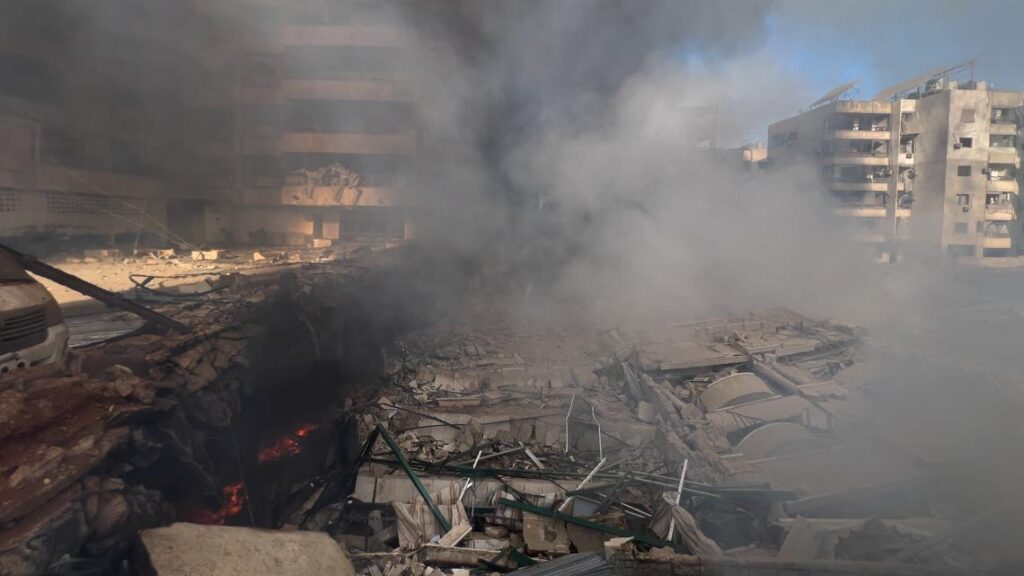
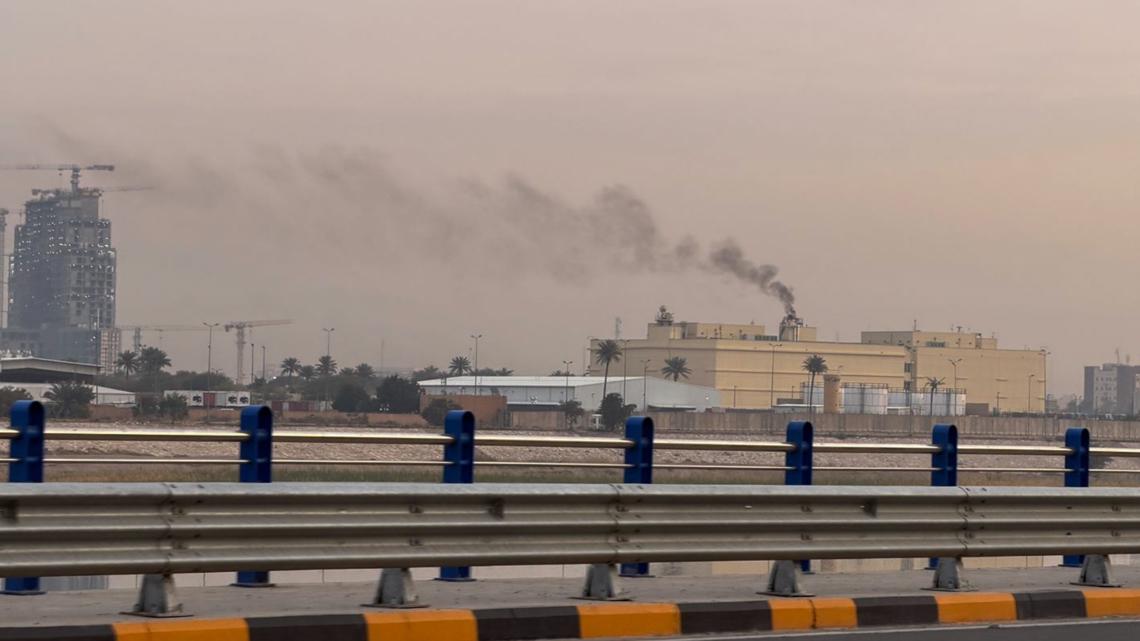
In a direct escalation of hostilities within Iraq, a missile strike targeted a helipad inside the U.S. Embassy compound in Baghdad on Saturday morning. According to two Iraqi security officials, the incident highlights the precarious security situation facing American diplomatic personnel in the Middle East.
Visual Confirmation and Strategic Vulnerability
Footage captured by the Associated Press provided immediate visual confirmation of the event, showing a dense column of smoke rising from the heavily fortified diplomatic site. As one of the largest U.S. diplomatic facilities in the world, the Baghdad complex has long served as a symbol of American presence in the region, making it a recurring target for rocket and drone attacks orchestrated by Iran-aligned militias.
While U.S. officials and embassy spokespeople have not yet issued a formal comment regarding casualties or specific damage, the strike follows a critical Level 4 security alert issued by the embassy just 24 hours prior. This high-level warning explicitly cautioned U.S. citizens of ongoing threats to American interests and infrastructure, specifically citing the history of aggression from regional militia groups.
Broader Implications for Western New York
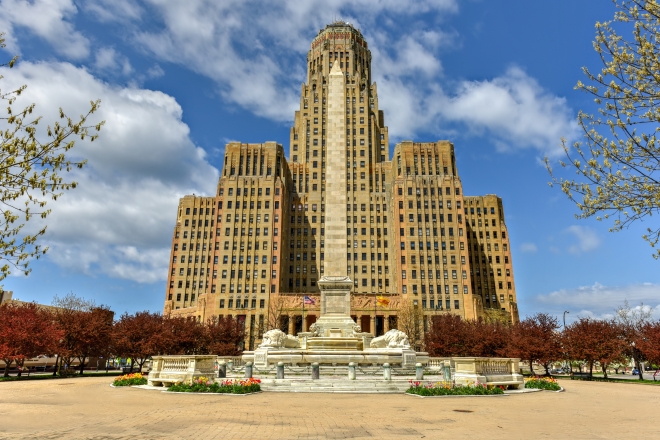
At the Lake Erie Times, we recognize that international security developments have a profound impact on the families and service members residing in Western New York. Incidents such as these often signal shifts in foreign policy that resonate from Washington D.C. to Buffalo. Our investigative team will continue to monitor the situation to provide our readers with impartial, in-depth coverage of how these global events influence local dynamics.
For more comprehensive coverage on international affairs and regional impacts, visit our Politics and Community sections.
Disclaimer: The content provided by Lake Erie Times is for informational purposes only and should not be considered as professional legal or financial advice. Affiliate Disclosure: Some links on Lake Erie Times are affiliate links. If you make a purchase through these links, we may earn a commission at no additional cost to you, supporting our commitment to quality journalism.
Learn more about the author: William Strasmore