As residents in Buffalo and throughout Western New York prepare for the annual ritual of “springing forward” or “falling back,” one state remains a notable outlier. For over 50 years, Arizona has famously ignored the biannual clock change, maintaining a consistent time policy that distinguishes it from almost every other state in the Union. At Lake Erie Times, we pride ourselves on uncovering the stories that shape our national landscape, and Arizona’s unique stance on time is a fascinating case study in regional autonomy and environmental pragmatism.
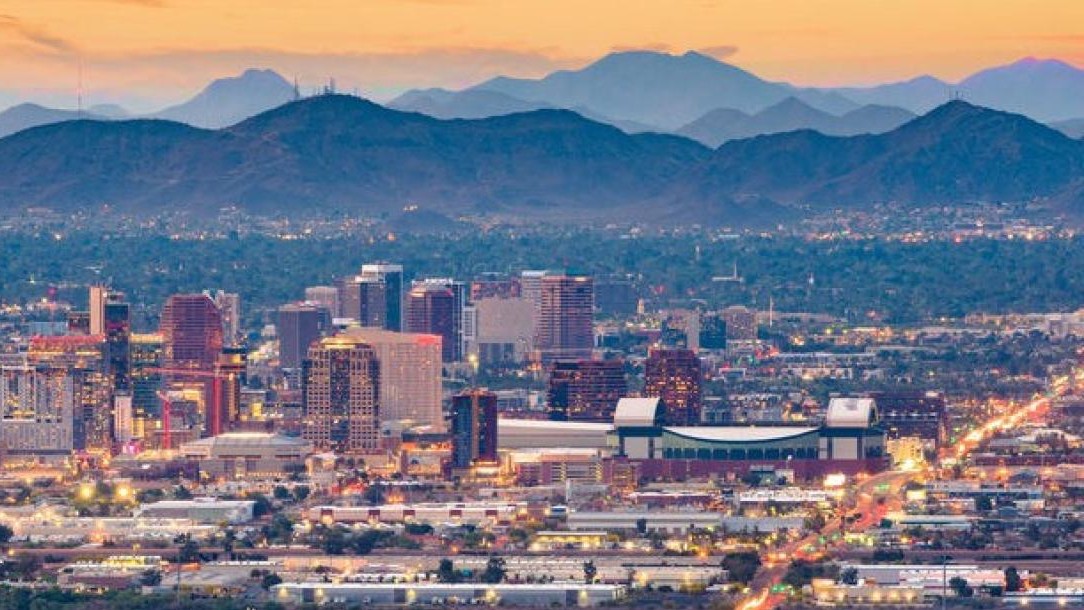
Arizona is one of only two states, the other being Hawaii, along with several U.S. territories, that does not observe Daylight Saving Time (DST). This decision isn’t a matter of stubbornness. Rather, it is deeply rooted in the state’s extreme desert climate and energy needs.
The History and Rationale of DST
The concept of Daylight Saving Time was first implemented in the U.S. in 1918 as a wartime measure to conserve fuel. While the practice became a permanent federal fixture for most of the country in 1966 under the Uniform Time Act, Arizona’s experience was different. After a brief trial, state leaders realized that the extra hour of evening sunlight was a hindrance rather than a help.
In the scorching heat of the Sonoran Desert, an extra hour of daylight in the evening translates to higher temperatures during peak hours. This results in a significant spike in air conditioning usage and overall energy consumption. For the average Arizonan, shifting the sunset from 8:00 PM to 9:00 PM doesn’t mean more time for outdoor recreation—it means another hour of blistering heat before the desert can begin to cool down.
Time Zone Dynamics: A Moving Target
Arizona operates on Mountain Standard Time (MST) year-round. Because the state does not adjust its clocks, its relationship with its neighbors changes depending on the season. This “shifting” alignment can often be confusing for travelers from the East Coast or businesses coordinating meetings across state lines.
| Season | Arizona Alignment | Relative to Buffalo (ET) |
|---|---|---|
| Summer (DST Active) | Aligned with Pacific Time (e.g., California) | 3 Hours Behind |
| Winter (Standard Time) | Aligned with Mountain Time (e.g., Colorado) | 2 Hours Behind |
The Tribal Exception
The time situation within Arizona becomes even more complex when crossing tribal lands. The Navajo Nation, which extends into New Mexico and Utah, does observe Daylight Saving Time to ensure consistency across its entire territory. Conversely, the Hopi Nation, located entirely within the borders of the Navajo reservation, follows Arizona’s lead and remains on Standard Time year-round. This creates a “donut” effect where time can change twice while driving across a single stretch of highway.
Other Regions Skipping the Change
While Arizona’s decision is driven by heat, other regions have their own reasons for skipping the switch. Hawaii, due to its tropical latitude, sees very little variation in daylight hours throughout the year, making the shift unnecessary. Similarly, U.S. territories including Guam, Puerto Rico, American Samoa, and the U.S. Virgin Islands opt out of the practice for similar geographical reasons.
The National Debate and Future Outlook
The conversation regarding the efficacy of DST is heating up in Washington and in statehouses across the country, including New York. Recent federal proposals, such as the Sunshine Protection Act, aim to make Daylight Saving Time permanent nationwide. For Western New Yorkers, this would mean later sunrises in the winter but more evening light year-round.
Should the U.S. move to a permanent DST model, Arizona would likely remain on permanent MST. This would effectively mean that Arizona would stay permanently aligned with the Pacific Coast states, ending the seasonal confusion for those traveling from the business hubs of the Northeast to the Southwest.
About the Author:
William Strasmore is a dedicated news reporter for Lake Erie Times in Western New York. With an extensive background in investigative journalism and a keen understanding of regional dynamics, William delivers in-depth, impartial coverage on local and national issues affecting the community.
Disclaimer: The content provided by Lake Erie Times is for informational purposes only and should not be considered as professional legal or financial advice.
Affiliate Disclaimer: Some links on Lake Erie Times are affiliate links. This means that if you make a purchase through these links, we may earn a commission at no additional cost to you. Our recommendations are based on careful research and our commitment to quality journalism.
Stay updated on Local News, Politics, and Community Events at Lake Erie Times.