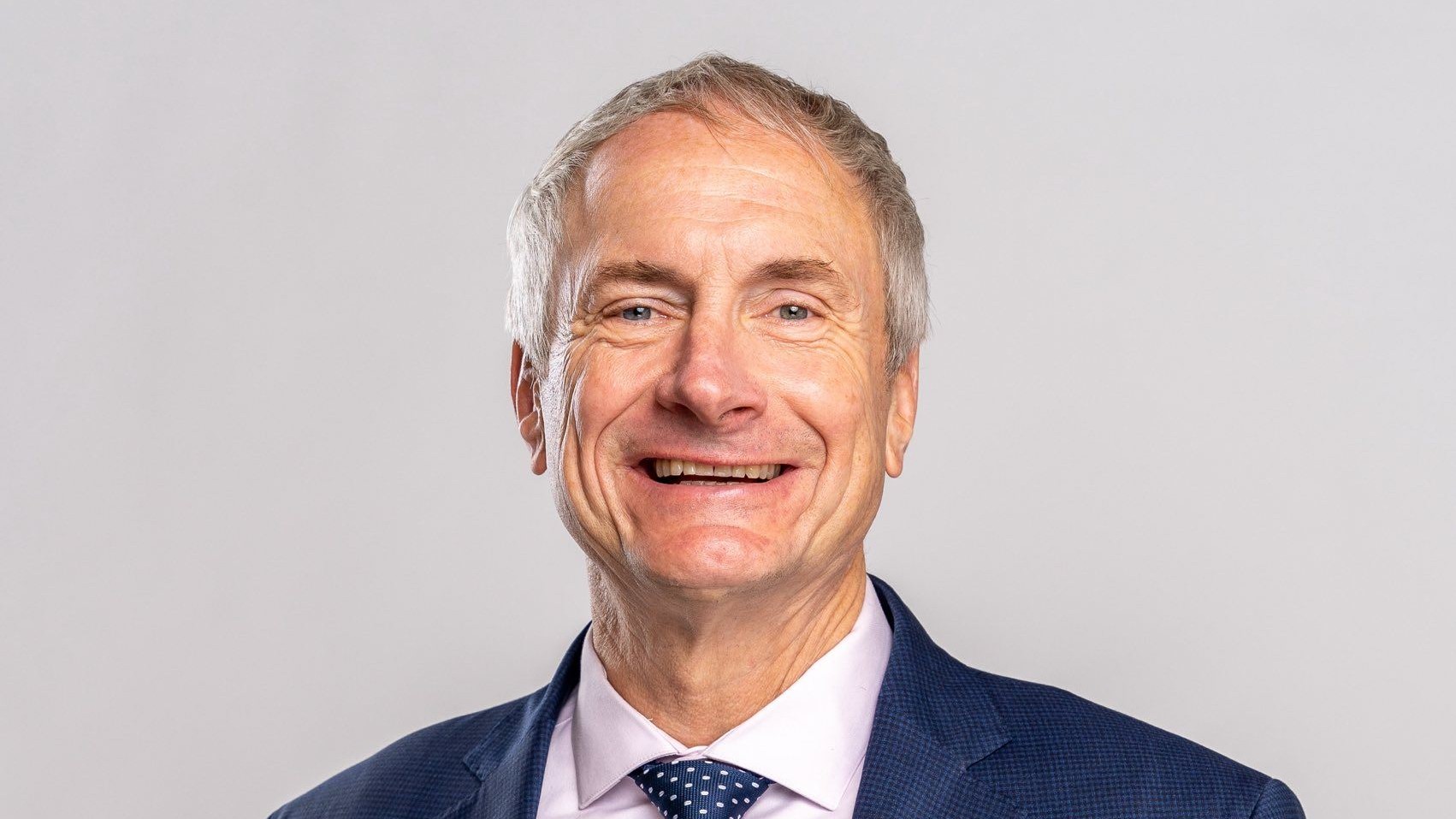
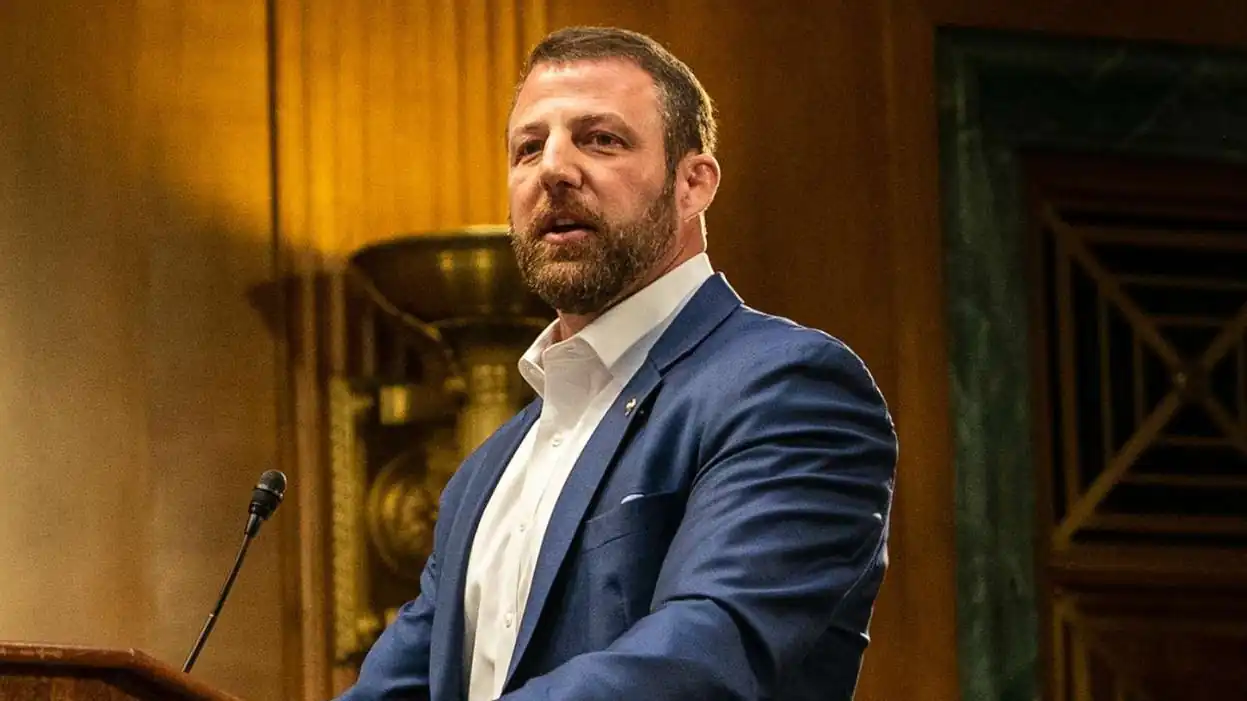
Senator Markwayne Mullin, President Donald Trump’s nominee for Homeland Security Secretary, recently appeared before the Senate for a high-stakes confirmation hearing. If confirmed, Mullin will take the helm of the Department of Homeland Security (DHS), succeeding outgoing Secretary Kristi Noem. For residents of Western New York, the transition signals potential shifts in immigration enforcement and border management at critical ports of entry like the Peace Bridge and the Rainbow Bridge.
Candidate Profile: From the Octagon to the Capitol
Markwayne Mullin’s trajectory to a Cabinet nomination is unconventional. A sitting senator from Oklahoma with 13 years of experience in Congress, Mullin has distinguished himself as one of President Trump’s most steadfast allies. Before his legislative career, he was a business owner in the plumbing industry and a professional mixed martial arts fighter. This background in both physical combat and corporate management informs his reputation for a “tough-on-crime” approach. His prior rhetoric strongly supports aggressive immigration operations, suggesting he intends to be a vigorous executor of the administration’s border security agenda.
The Scale of the DHS Mandate
The Department of Homeland Security is a behemoth, serving as the third-largest department in the federal Cabinet with a workforce of approximately 260,000 employees. Its mission is exceptionally broad, covering everything from protecting the President and safeguarding critical infrastructure to managing disaster recovery and conducting deportations. For the Buffalo-Niagara region, the DHS’s role is felt daily through Customs and Border Protection (CBP) and TSA operations at Buffalo Niagara International Airport.
Immigration Policy and Political Friction
The hearing was largely defined by intense questioning regarding the administration’s plans for mass deportations. Democratic senators, including Gary Peters of Michigan, raised concerns about Mullin’s experience and the potential for departmental overreach. The opposition emphasized that the DHS faces a gauntlet of modern threats, including state-sponsored cyberattacks and domestic extremism, which require a steady, nuanced hand rather than purely ideological leadership. Mullin, however, maintained that a firm stance on border security is the department’s primary directive.
Operational Hurdles: Shutdowns and Security Lines
Mullin would inherit a department currently hampered by a partial government shutdown. This funding gap has had a visible impact on local travel, with security screeners working without pay, leading to increased wait times at major U.S. airports. The partisan divide remains sharp; Republicans argue that the lack of funding compromises national safety, while Democrats contend that the administration’s refusal to compromise on policy is the root cause of the operational gridlock.
The Legacy of Kristi Noem and FEMA Instability
The transition comes as the department reels from the controversial tenure of Kristi Noem. Under her leadership, aggressive immigration tactics in cities like Minneapolis and Chicago led to violent clashes and public outcry following the deaths of Renee Good and Alex Pretti. Furthermore, Noem’s attempt to overhaul FEMA through a Trump-appointed Review Council has drawn fire from state officials who experienced significant delays in receiving disaster reimbursements due to new, restrictive contract approval policies.
With Noem moving into a new role as a special envoy for Western Hemisphere security, a leadership vacuum persists at FEMA. The agency has seen two acting administrators depart in recent months, leaving it without a permanent head at a time when climate-related disasters and national security threats are on the rise.
Why This Matters to Western New York
As an investigative reporter focusing on our regional dynamics, I find it imperative to note that the DHS Secretary’s decisions directly affect our local economy. Buffalo is a primary gateway for international trade; any shifts in how the DHS manages border crossings can impact supply chains and local commerce. The Lake Erie Times will continue to monitor Mullin’s confirmation process and its subsequent impact on the safety and prosperity of our community.
Disclaimer: The content provided by Lake Erie Times is for informational purposes only and should not be considered as professional legal or financial advice. Some links on Lake Erie Times are affiliate links. This means that if you make a purchase through these links, we may earn a commission at no additional cost to you.
Visit William Strasmore’s Author Page for more in-depth reporting.