Decades before the first European settlers laid the foundations of what we now call Buffalo, the Canadian side of the Niagara River was already a theater of global history. In 1764, the first Fort Erie was established along the shoreline, marking one of the earliest European footholds in the Great Lakes region and setting the stage for centuries of cross-border relations that define Western New York today.
Indigenous Wisdom and Engineering Challenges
In the mid-18th century, the landscape looked vastly different. While French explorers had traversed the area, there was no permanent European presence near Buffalo Creek. The Indigenous communities, specifically the Seneca people of the Haudenosaunee Confederacy, had long served as the stewards of these lands.
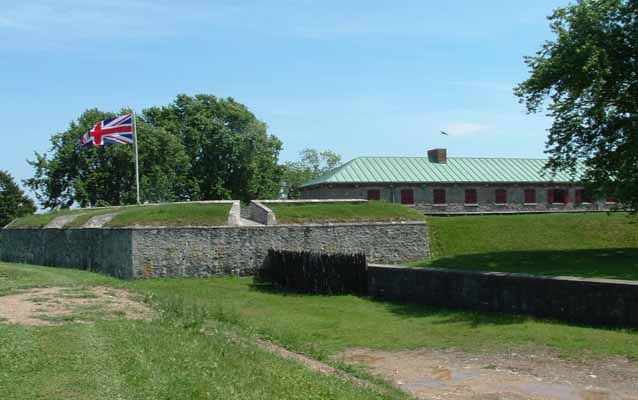
According to Niagara Parks historian Jim Hill, when the British sought permission from the Seneca to build a trading post, they were met with a specific warning: do not build too close to the water. The British, perhaps underestimated the ferocity of Lake Erie’s winter weather, ignored this advice. They constructed the original fort directly on the shore, where it was pummeled for years by massive ice flows and relentless waves. By 1803, the battered structure was replaced by the more resilient fort that stands today, a testament to the harsh realities of frontier life.
A Strategic Hub on the Rugged Frontier
For the soldiers stationed there, Fort Erie was far from a prestigious assignment. Historical accounts suggest the fort was often considered a remote and rugged posting, sometimes used as a destination for “troublesome” officers or unruly regiments. However, its strategic value was undeniable. During the American Revolution, the fort served as a vital supply base for British soldiers, Loyalist fighters, and Six Nations warriors.
This period highlights a unique aspect of our regional history; even after the United States gained independence, the Niagara Frontier remained a complex web of British influence and shifting political loyalties, long before the modern border was solidified.
Key Milestones in Fort Erie’s History
| Year | Historical Event | Significance |
|---|---|---|
| 1764 | Construction of the First Fort Erie | Established the first permanent British presence at the mouth of the Niagara River. |
| 1775-1783 | American Revolution | Served as a primary logistical and supply hub for British and Loyalist operations. |
| 1803 | Second Fort Construction | Relocated to higher ground to escape ice and water damage from the lake. |
| 1814 | Siege of Fort Erie | The site of the bloodiest battle ever fought on Canadian soil during the War of 1812. |
| 2024 | 250th Anniversary Series | A modern reflection on the shared revolutionary history of the U.S. and Canada. |
Unearthing the Past: Archaeological Discoveries
Today, Old Fort Erie is more than a monument; it is a living time capsule for researchers and historians. Decades of archaeological digs have recovered artifacts that paint a vivid picture of the 18th-century experience. These finds range from standard military equipment to Indigenous trade goods and personal jewelry, offering a rare look into the daily interactions between cultures on the edge of the wilderness.
As part of our commitment at the Lake Erie Times to fostering informed community dialogue, we recognize that understanding these archaeological truths helps bridge the gap between our modern lives and the struggles of those who preceded us.
Looking Toward the 250th Anniversary
With the United States approaching its 250th anniversary, Old Fort Erie is launching an initiative to explore our shared history. A new monthly speaker series, titled “1776: Old Fort Erie in the Revolutionary Era,” will examine how the American Revolution transformed the Niagara region.
The series kicks off with insights from Brock University professor Mark Spencer, who will discuss the intellectual and political ripples of 1776. For residents of Buffalo and Western New York, these sessions provide a valuable opportunity to see the American Revolution through a different lens—one that encompasses both sides of the river.
William Strasmore is a dedicated news reporter for the Lake Erie Times, covering local news, politics, and regional history with a focus on investigative integrity.
Disclaimer: The content provided by Lake Erie Times is for informational purposes only and should not be considered as professional legal or financial advice. Some links on Lake Erie Times are affiliate links. This means that if you make a purchase through these links, we may earn a commission at no additional cost to you.