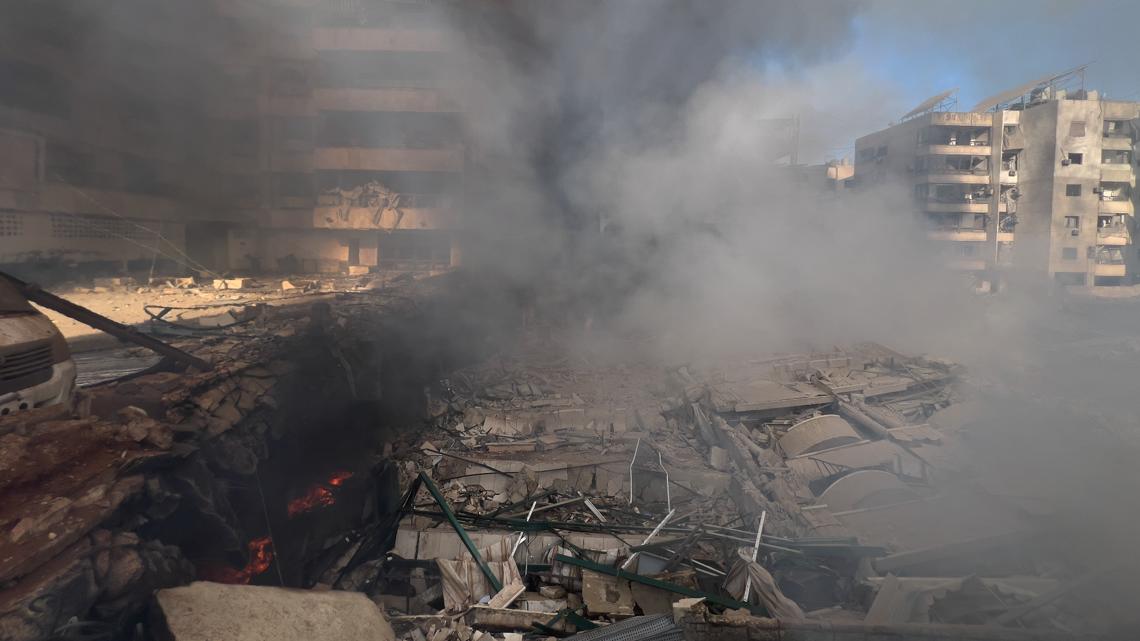
The escalating conflict in Iran has sent shockwaves through global energy markets, sparking immediate volatility in crude oil valuations. Since the commencement of recent airstrikes, U.S. crude oil has surged by more than 5%, climbing to $70.86 per barrel. Simultaneously, Brent crude, the international benchmark, saw a 6.2% spike to $77.36. For residents in Buffalo and the broader Western New York region, these geopolitical shifts are more than just international headlines—they are precursors to higher costs at the local pump.
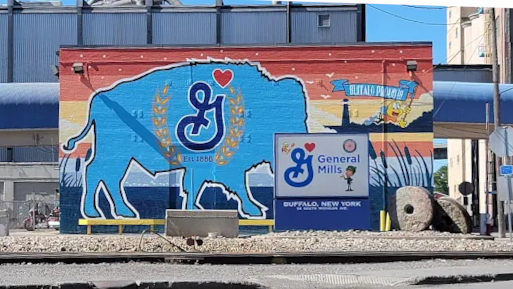
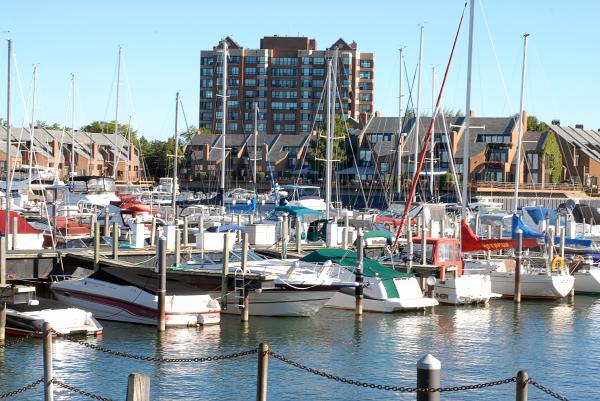
The Buffalo Connection: Local Impact of Global Strife
While the conflict is centered thousands of miles away, the economic repercussions are felt directly on the Thruway and across Transit Road. Historically, local business sectors in Western New York—particularly logistics and manufacturing—are highly sensitive to energy fluctuations. As transportation costs rise, the price of goods delivered to our local grocery stores and retail hubs often follows suit.
The Mechanics of Fuel Pricing
The cost of crude oil remains the primary driver of gasoline prices. According to the federal government’s energy information, there is a clear mathematical correlation: for every $1 fluctuation in the price of crude oil, consumers typically see an approximate 2.4-cent adjustment per gallon at the station. This direct link explains why even minor geopolitical instability can quickly diminish the disposable income of American households.
| Oil Benchmark | Recent Price (Per Barrel) | Percentage Increase |
|---|---|---|
| U.S. Crude (WTI) | $70.86 | 5.0% + |
| Brent Crude | $77.36 | 6.2% |
Current Trends and the Delayed Reaction
Data from GasBuddy indicates that gasoline prices were already climbing throughout February, fueled by rhetoric and supply chain uncertainty. While the national average recently sat near $2.96 per gallon, Western New York averages often vary due to state-specific taxes and regional logistics. It is vital to note that the full impact of the current spike may not be visible for several days or weeks, as refineries work through existing inventory before importing crude at these new, elevated rates.
The Strategic Importance of the Strait of Hormuz
A significant portion of the current market anxiety stems from Iran’s influence over the Strait of Hormuz. This narrow passage in the Persian Gulf is a critical chokepoint; nearly 20% of the world’s oil and liquefied natural gas supply transits through this waterway. Any disruption here would be catastrophic for global energy stability.
Dr. Jack Buffington, program director of supply chain management at the University of Denver, noted that the threat of closure—or even the increased risk of transit—is enough to drive prices toward a critical “tipping point” of $100 per barrel. Exceeding this threshold could trigger severe financial distress for industries like commercial aviation and long-haul trucking, which are vital to the Western New York economy.
Financial Risks and Insurance Markets
The immediate price surge is driven as much by financial speculation as by physical supply. Maritime insurance costs for tankers navigating the Persian Gulf have skyrocketed, with some carriers reporting a 50% increase in premiums. Ultimately, the price at our local Buffalo pumps is dictated by what the international insurance and financial markets are willing to accept as risk.
As we continue to monitor these developments, Lake Erie Times will provide updates on how these global events impact our local community and regional economy.
About the Author: William Strasmore is a dedicated news reporter for Lake Erie Times, providing in-depth, impartial coverage on the issues that affect Western New York. With a background in investigative journalism, William focuses on the intersection of global politics and local economic impacts.
Disclaimer: The content provided by Lake Erie Times is for informational purposes only and should not be considered as professional legal or financial advice. Some links on Lake Erie Times are affiliate links; we may earn a commission at no additional cost to you.