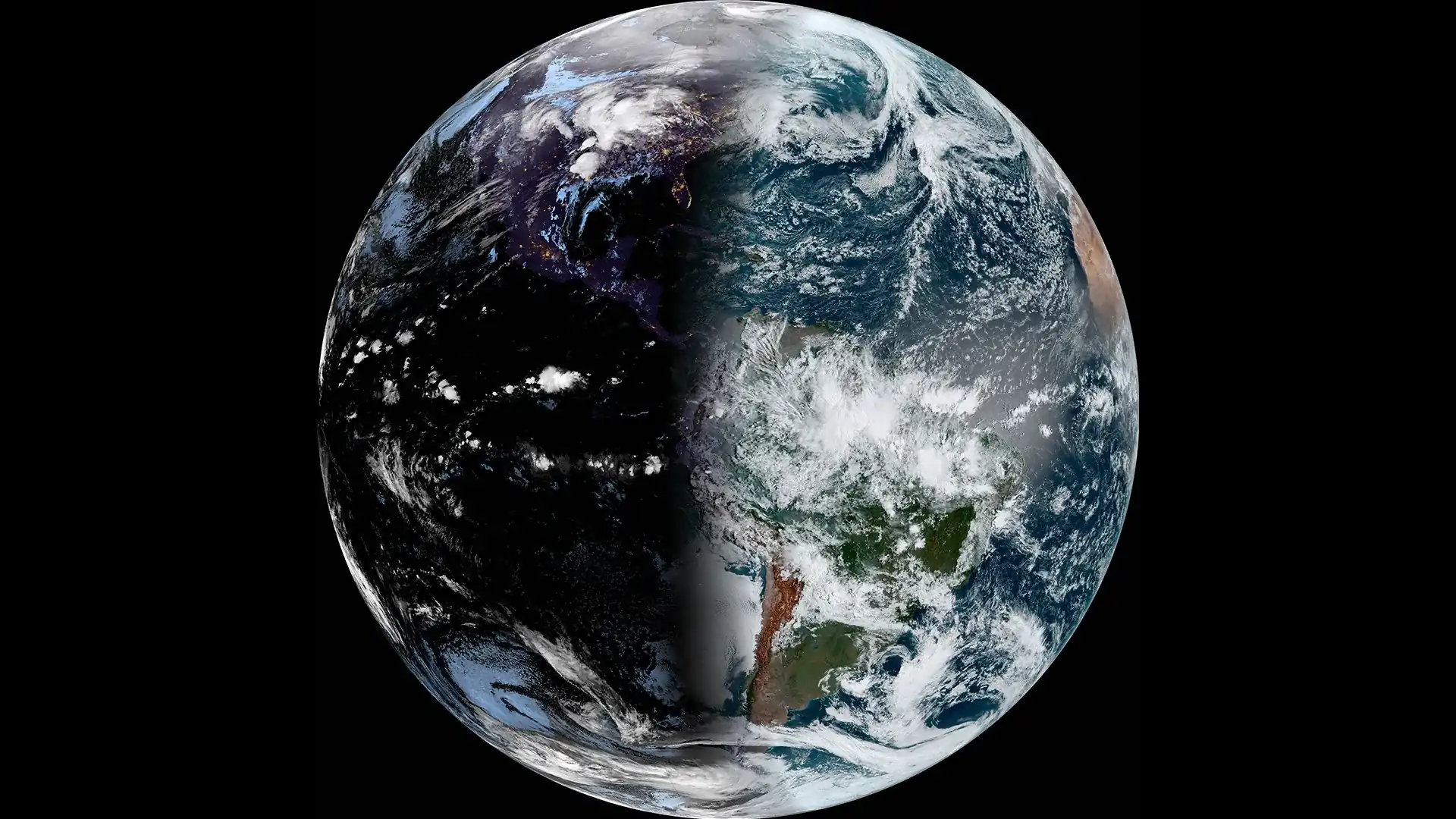
The vernal equinox marks the beginning of the spring season for the Northern Hemisphere and autumn for the Southern Hemisphere. During this event, the sun sits directly over the equator at noon. These equinoxes are unique moments in our orbit, representing the only times when both the North and South poles are simultaneously bathed in sunlight.
Scientific Definition and 2026 Timing
As the Earth orbits the sun, its axial tilt usually ensures that warmth and light are distributed unequally between the hemispheres. However, during an equinox, the Earth’s tilt is positioned neither toward nor away from the sun. This results in an almost equal distribution of daylight and darkness across the globe. During this window, the sun rises nearly due east and sets nearly due west.
The term “equinox” is derived from the Latin words for “equal” and “night.” For the Northern Hemisphere, the vernal (spring) equinox typically occurs between March 19 and 21. For 2026, the precise moment of the equinox is Friday, March 20, at 10:46 a.m. EST. From this point forward, days in Western New York will progressively lengthen until the summer solstice in June.
2026 Astronomical Season Schedule
To help our readers plan for the year ahead, here is the astronomical schedule for 2026:
| Event | Date | Northern Hemisphere Season |
|---|---|---|
| Vernal Equinox | March 20, 2026 | Spring Begins |
| Summer Solstice | June 21, 2026 | Summer Begins |
| Autumnal Equinox | September 22, 2026 | Fall Begins |
| Winter Solstice | December 21, 2026 | Winter Begins |
Cultural Significance and Global Celebrations
Equinoxes have served as cultural touchstones for centuries. In Japan, Vernal Equinox Day is observed as a public holiday to admire nature and show affection for living things. Meanwhile, at the ancient Mayan site of Chichen Itza in Mexico, thousands gather to witness a spectacular shadow pattern on the El Castillo pyramid. As the sun sets, the shadows create the illusion of a massive serpent descending the stone steps.
Equinox vs. Solstice: What’s the Difference?
While equinoxes represent balance, solstices represent extremes. During a solstice, the Earth’s tilt is at its most pronounced angle toward or away from the sun. The summer solstice (June 20–22) marks the longest day of the year, while the winter solstice (Dec. 20–23) brings the shortest day and longest night.
It is also important to distinguish between astronomical and meteorological seasons. While astronomers use the Earth’s orbit to define seasons, meteorologists use the calendar and temperature cycles to group months into four three-month periods. In the meteorological world, spring in Western New York officially began on March 1.
Stay tuned to Lake Erie Times for further updates on local news and community events as we transition into the warmer months.
About the Author
William Strasmore is a dedicated news reporter in Western New York who delivers in-depth, impartial coverage and incisive analyses on local issues. With an extensive background in investigative journalism and a keen understanding of regional dynamics, William has built a reputation for uncovering the truth with unwavering commitment to accuracy and integrity. His work focuses on thorough reporting of community affairs, local politics, and major regional events.
About Lake Erie Times: Lake Erie Times is your comprehensive source for the latest news, insights, and stories from Buffalo, New York, and the broader Western New York region. Our mission is to provide the community with accurate, in-depth, and engaging news coverage, fostering informed dialogue and strengthening connections within our region.
Disclaimer: The content provided by Lake Erie Times is for informational purposes only and should not be considered as professional legal or financial advice.
Affiliate Disclaimer: Some links on Lake Erie Times are affiliate links. This means that if you make a purchase through these links, we may earn a commission at no additional cost to you. Our recommendations are based on careful research and our commitment to quality journalism.
Local News |
Politics |
Business |
Sports |
Entertainment |
Opinion |
Weather |
Community |
Lifestyle