
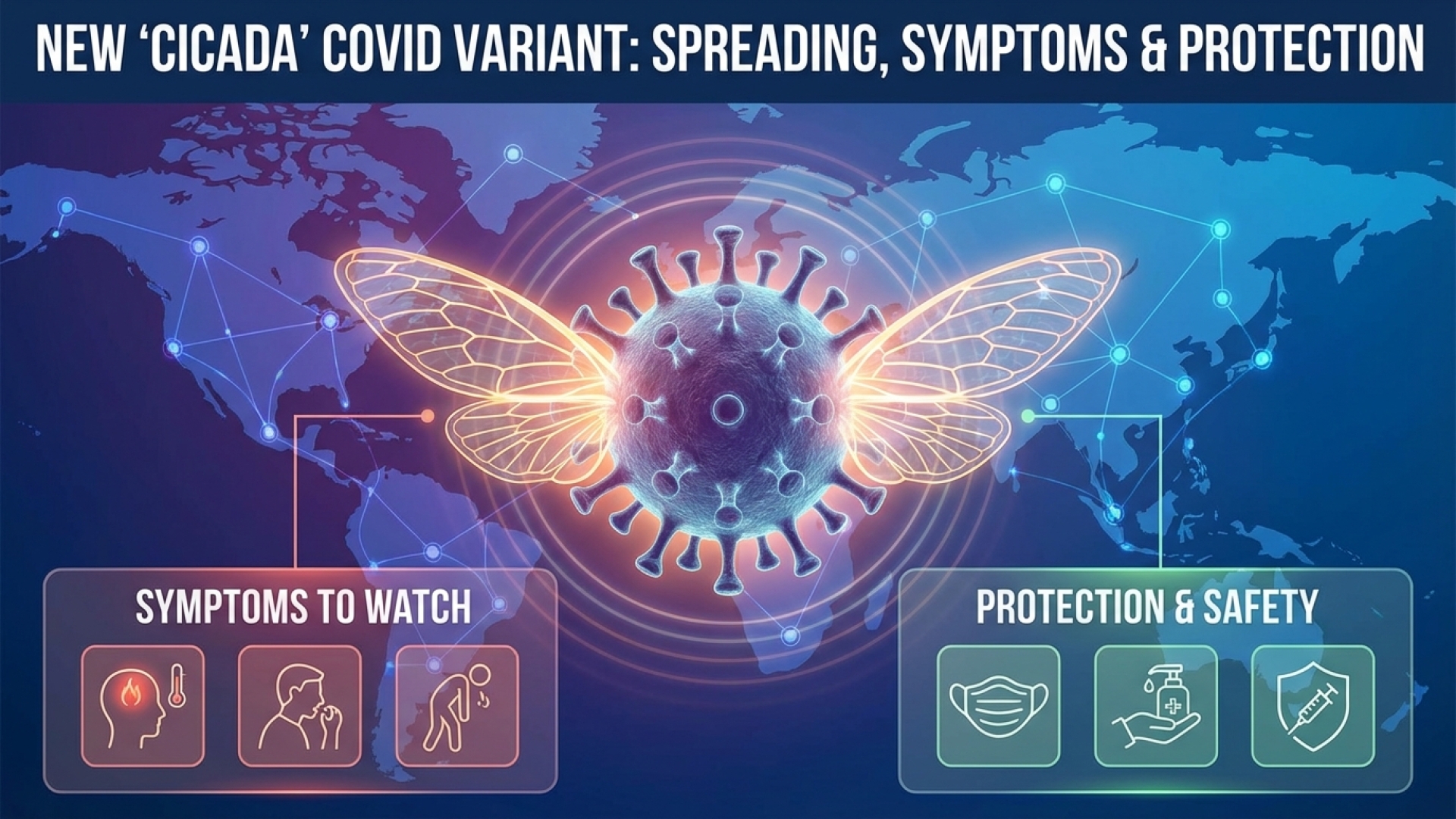
A new COVID-19 variant, scientifically designated as BA.3.2 and colloquially nicknamed “Cicada,” has begun a steady trek across the United States, prompting fresh alerts from public health officials. First identified in June 2025, the Cicada variant has been confirmed in over 25 states. For residents in Buffalo and the greater Western New York region, the emergence of this strain serves as a reminder that the viral landscape continues to evolve.
According to recent reports from the Centers for Disease Control and Prevention (CDC), health experts are monitoring this strain due to a specific mutation that may allow the virus to bypass antibodies. This immune evasion poses a particular challenge for individuals who rely on immunity from previous infections or earlier vaccine formulations. As we have seen in previous waves across the Lake Erie region, high transmissibility often precedes a rise in local community transmission levels.
Symptoms of the ‘Cicada’ Variant: What to Look For
While the Cicada COVID variant is notable for its ability to spread, medical professionals—including experts at Stony Brook Medicine—note that it does not currently appear to produce novel or unique symptoms. The primary concern for Western New Yorkers remains the variant’s efficiency in circulating through the population rather than a change in the nature of the illness itself.
Common symptoms associated with the BA.3.2 strain include:
| Category | Commonly Reported Symptoms |
|---|---|
| Respiratory | Cough, shortness of breath, sore throat, congestion, or runny nose. |
| Systemic | Fever, chills, fatigue, muscle or body aches, and headache. |
| Digestive/Other | Nausea, vomiting, diarrhea, and new loss of taste or smell. |
Dr. Sharon Nachman, a Pediatric Infectious Diseases expert, emphasizes that early intervention is vital. Individuals who are older, immunocompromised, or managing chronic health conditions should consult a healthcare provider at the first sign of even mild symptoms to discuss potential treatment options.
Protecting the Western New York Community
As the Lake Erie Times continues to track regional health trends, local residents are encouraged to maintain standard preventive measures. Adhering to established safety protocols remains the most effective way to protect yourself and your neighbors in Buffalo and surrounding Erie County.
- Stay Updated on Vaccinations: Keeping current with COVID-19 vaccinations and recommended boosters provides the best defense against severe outcomes.
- Masking in Crowded Spaces: In high-traffic indoor environments, high-quality masks such as N95 or KN95 respirators offer superior protection.
- Prioritize Ventilation: Improving airflow by opening windows or utilizing air purifiers helps dilute airborne viral particles.
- Hygiene and Distance: Frequent hand washing with soap or alcohol-based sanitizer and avoiding close contact with symptomatic individuals remains essential.
- Monitor Local Metrics: Stay informed regarding local transmission levels in Western New York before attending large public gatherings.
William Strasmore covers community affairs and regional health for the Lake Erie Times. For more local news and in-depth reporting on Western New York, visit our Local News section.
Disclaimer: The content provided by Lake Erie Times is for informational purposes only and should not be considered as professional medical, legal, or financial advice.