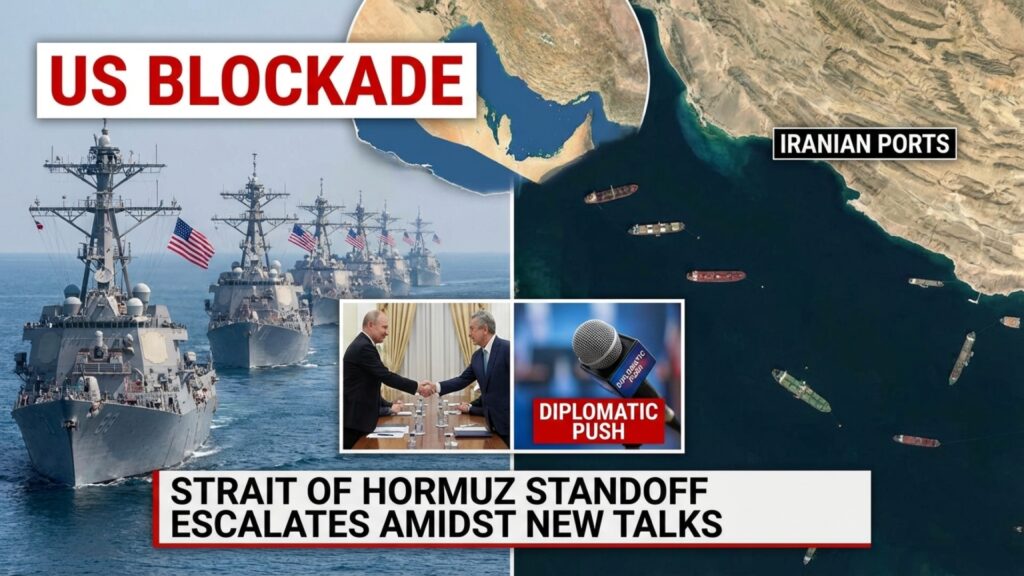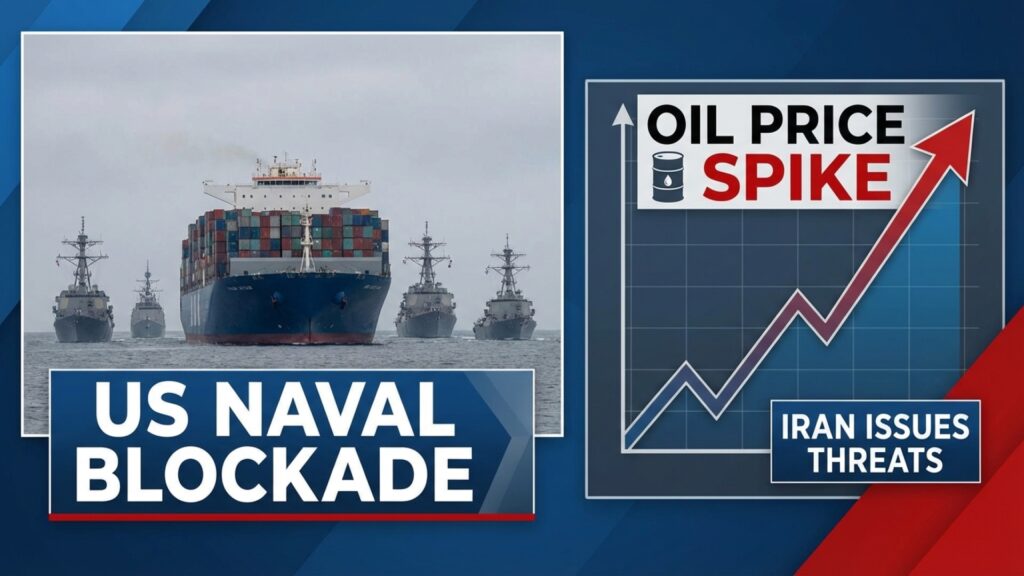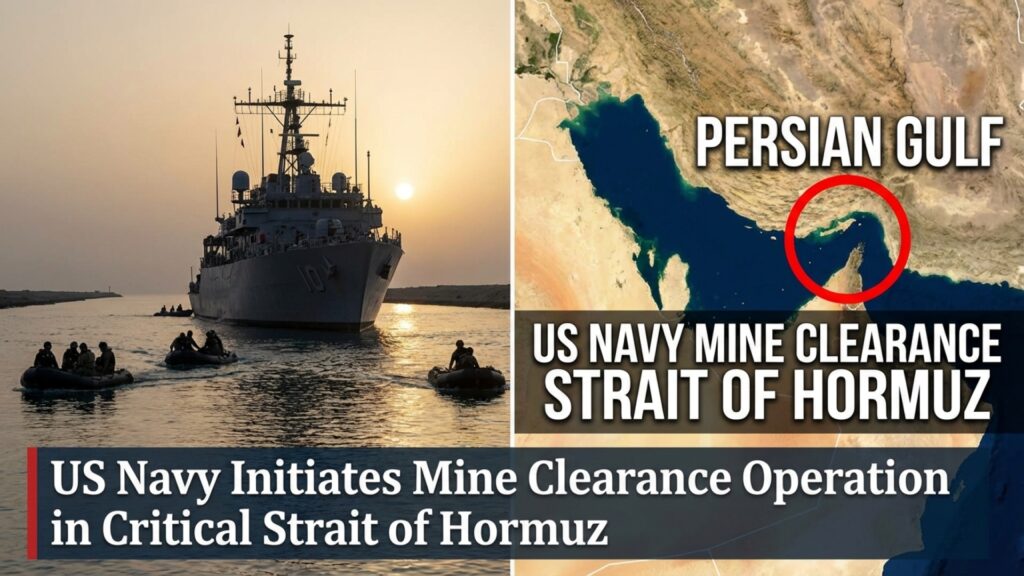
The geopolitical landscape surrounding the Strait of Hormuz intensified this Saturday as dueling maritime blockades pushed international relations into uncharted waters. As the United States maintains its strategy to restrict access to Iranian ports, Tehran has retaliated by rescinding its brief offer to reopen the world’s most critical energy artery. This shift resulted in a dangerous confrontation where gunboats reportedly fired upon a commercial tanker, a move that threatens to worsen the global energy crisis and impact fuel costs for residents across Western New York.
Tehran Reasserts Strategic Dominance
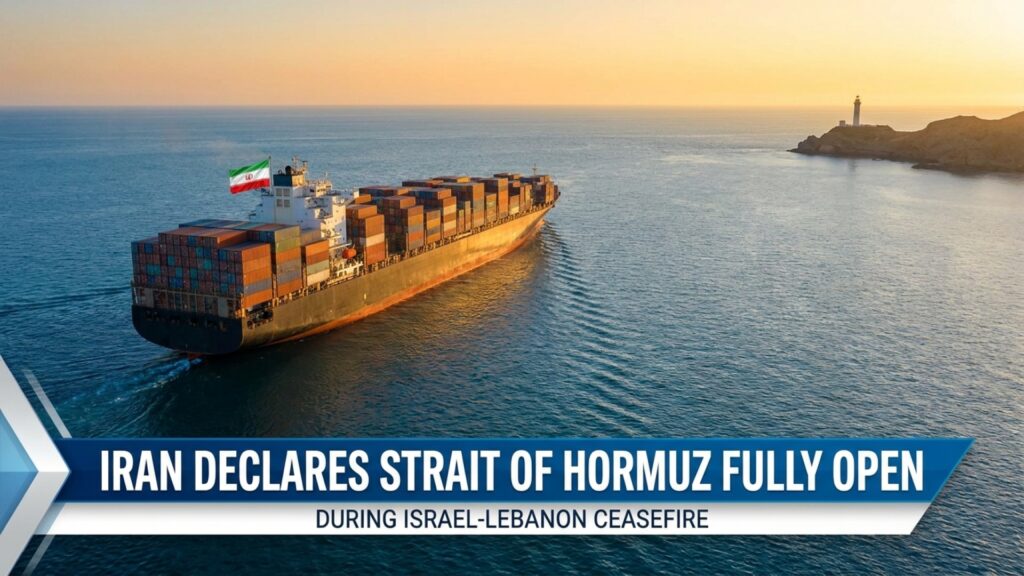
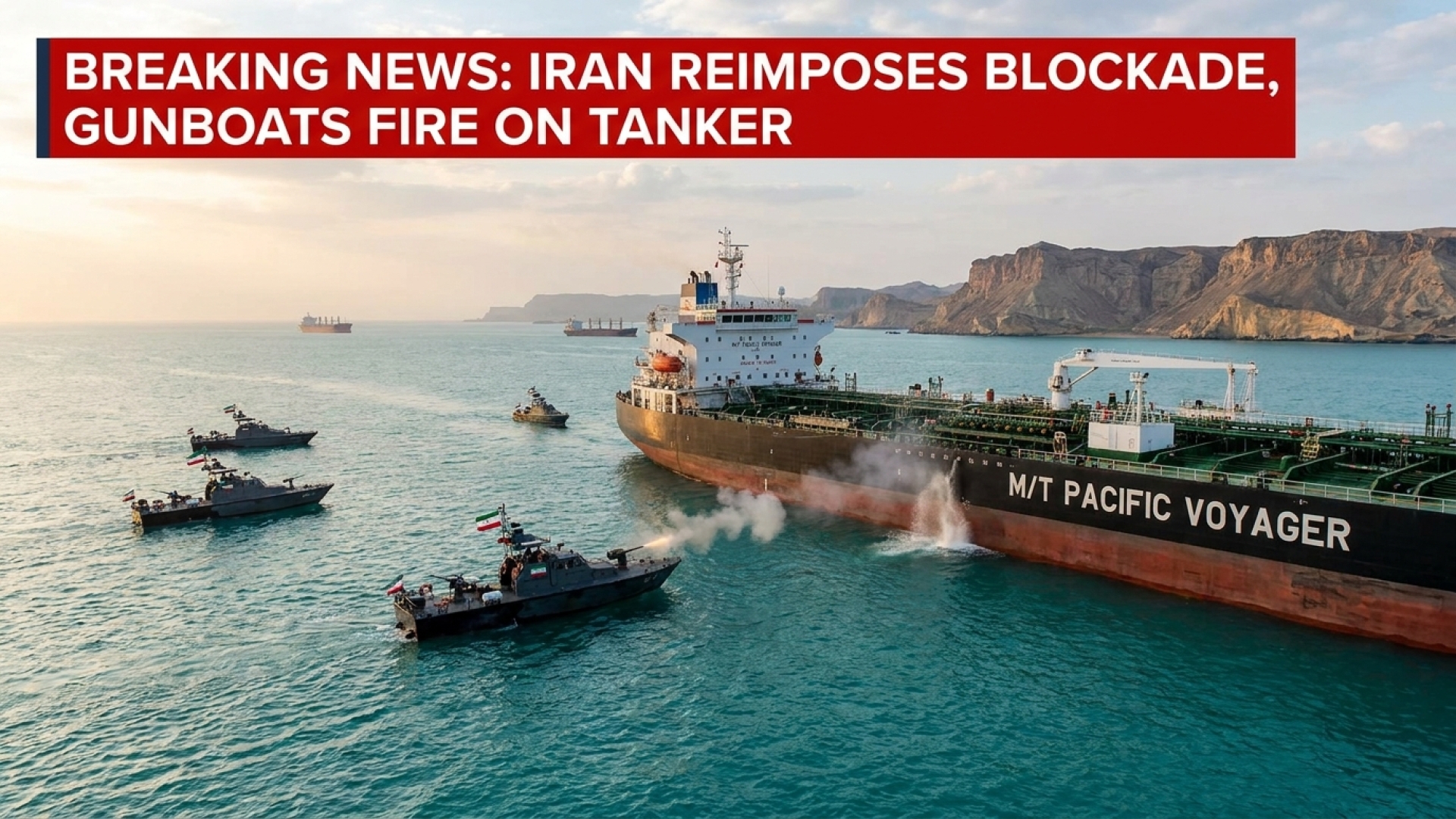
Iran’s joint military command announced Saturday that the strategic waterway is once again under the “strict management and control of the armed forces.” The command issued a direct ultimatum: the blockade of the Strait of Hormuz will persist as long as the U.S. continues to choke off Iranian shipping lanes. This reversal highlights the volatility of the region, as Tehran uses its geographic leverage to counter crippling American sanctions.
The situation turned violent when two gunboats from Iran’s Revolutionary Guard opened fire on a tanker navigating the corridor. According to the British military’s United Kingdom Maritime Trade Operations center, the crew and vessel remained safe, though the ship’s identity was not disclosed for security reasons. Reports from TankerTrackers.com indicated that several other vessels, including an Indian-flagged supertanker, were forced to retreat after being intercepted by Iranian forces.
Ebrahim Azizi, head of the Iranian parliament’s National Security Commission, emphasized that transit through the strait now requires explicit naval authorization and the payment of tolls, signaling a return to a more aggressive “status quo” for international shipping.
U.S. Economic Pressure and Regional Stability
From a Western New York perspective, the implications of this maritime standoff are profound. The U.S. campaign to isolate Tehran aims to force the nation into a Pakistan-brokered ceasefire, concluding nearly seven weeks of active conflict involving Israel and the U.S. Central Command recently reported that American forces have intercepted or turned back 21 ships bound for Iranian destinations since the blockade began on April 14th.
President Donald Trump has maintained a firm stance, asserting that the American blockade will remain in full force until a comprehensive diplomatic agreement is reached—one that must address Iran’s nuclear program. With approximately 20% of the world’s oil passing through this single chokepoint, any prolonged disruption is likely to be felt at gas pumps in Buffalo and beyond.
Diplomatic Hurdles and the Path to Peace
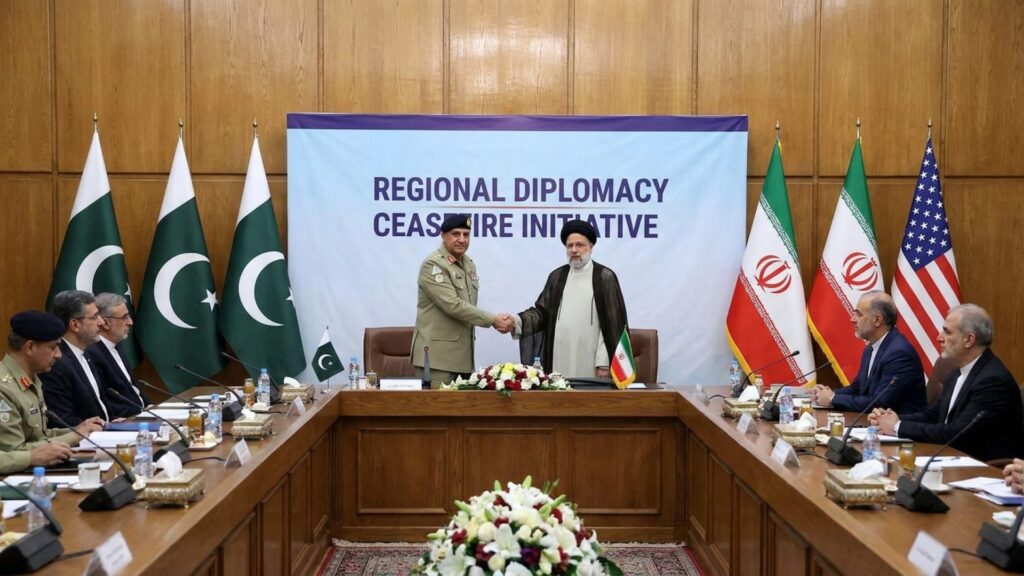
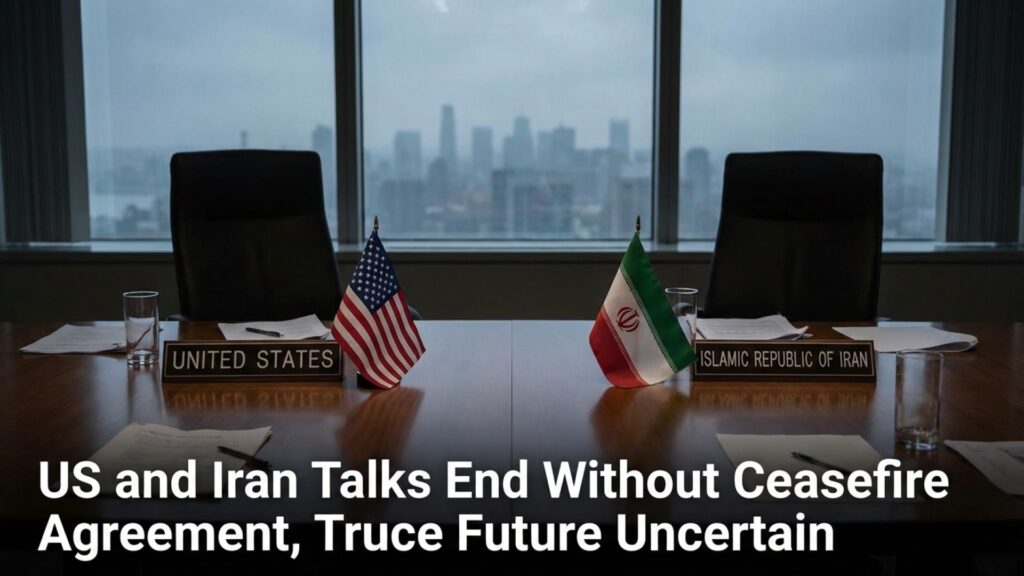
Despite the live-fire incidents, Pakistani officials suggest that a broader peace agreement is not entirely out of reach. There are indications that the U.S. and Iran are inching toward a resolution ahead of the April 22 ceasefire deadline. The recent truce in Lebanon between Israel and Hezbollah is viewed by many analysts as a necessary precursor to a regional de-escalation.
Pakistan’s Foreign Minister Ishaq Dar noted that while the Israel-Hezbollah conflict was a primary obstacle, recent talks in Islamabad moved the needle closer to a deal. High-level meetings involving Turkish and Qatari leaders suggest a multi-national push for stability. A second round of direct talks between U.S. and Iranian representatives is scheduled to take place in Pakistan early next week.
The Human and Economic Toll
The human cost of this conflict remains staggering. Since late February, the violence has claimed the lives of at least 3,000 people in Iran and over 2,290 in Lebanon. The conflict has also resulted in the deaths of 23 Israelis and 13 U.S. service members. For the Lake Erie Times audience, these numbers represent more than just statistics; they reflect a global instability that affects local families with ties to the region and service members stationed abroad.
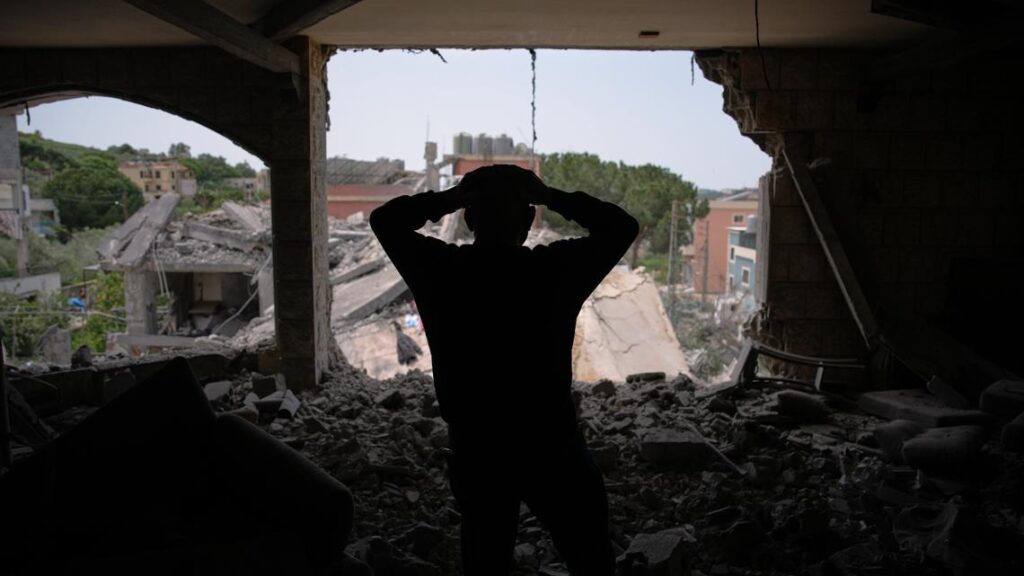
In Lebanon, even as President Trump declared that “enough is enough” regarding the Israel-Hezbollah war, the situation on the ground remains fragile. Displaced families have begun returning to southern Lebanon, despite sporadic artillery fire and the continued presence of Israeli troops. Prime Minister Benjamin Netanyahu has cautioned that while Israel agreed to the truce, their campaign to dismantle Hezbollah’s capabilities is “not yet finished.”
As William Strasmore continues to monitor these developments, the Lake Erie Times remains committed to providing our readers with the most accurate and incisive updates on how these international shifts impact the economy and security of Western New York.
About the Author: William Strasmore is a veteran news reporter for the Lake Erie Times, specializing in investigative journalism and regional analysis of global events.
Disclaimer: The content provided by Lake Erie Times is for informational purposes only and should not be considered professional legal or financial advice. Some links may be affiliate links; we may earn a commission at no additional cost to you.