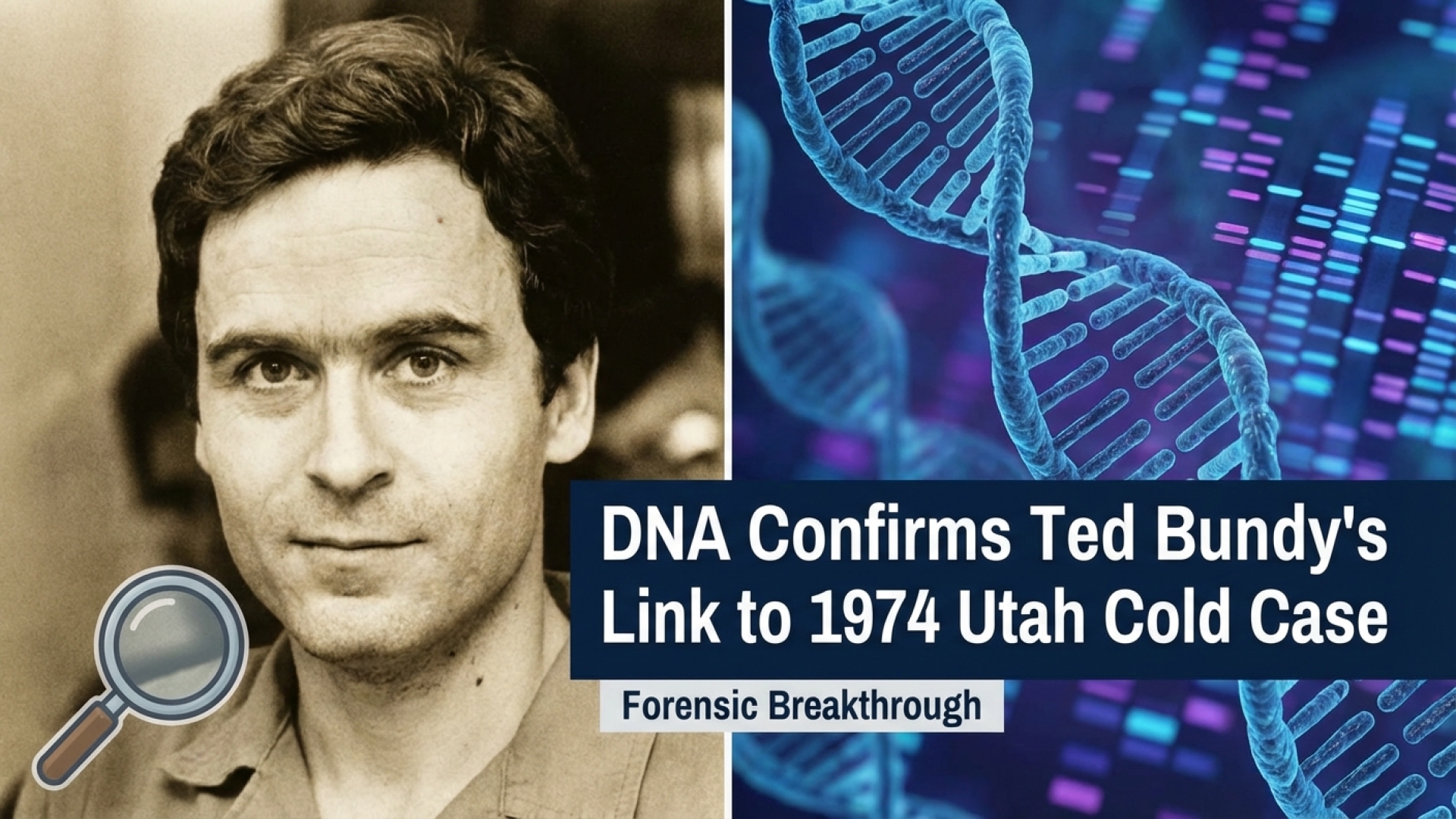
A half-century of uncertainty surrounding the brutal death of a Utah teenager has finally reached a definitive conclusion through the lens of modern forensic science. After more than 50 years, investigators have utilized advanced DNA technology to formally link notorious serial killer Ted Bundy to the 1974 homicide of Laura Ann Aime. This breakthrough provides a final resolution to one of the most enduring cold cases in the Western United States, offering a somber reminder of the persistent pursuit of justice that resonates with law enforcement agencies nationwide, including here in Western New York.
DNA Confirmation: The Final Link to Ted Bundy
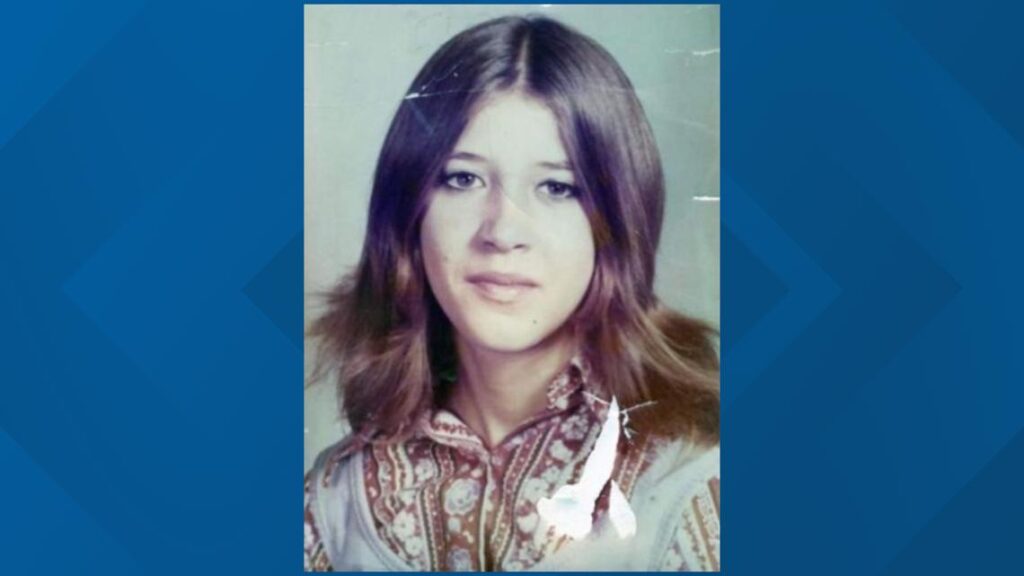
In a significant announcement from the Utah County Sheriff’s Office, investigators confirmed that DNA evidence has identified Ted Bundy as the perpetrator in the death of 17-year-old Laura Ann Aime. Her body was discovered in November 1974 along State Route 92. While Bundy had previously hinted at his involvement prior to his 1989 execution, the lack of biological proof left the case officially “open” for decades. This match provides the irrefutable evidence required to move the case from the investigative files to a formal close.
The 1974 Disappearance and Investigation
The tragedy began on Halloween night in 1974, when Aime was last seen leaving a party in Utah County. Her disappearance remained a mystery until Thanksgiving Day, when two hikers discovered her remains in American Fork Canyon, approximately 30 miles north of where she was last seen. The crime scene indicated a violent struggle; Aime had been beaten and strangled. Despite the intensity of the initial investigation, the limitations of 1970s technology and the presence of other potential suspects prevented authorities from securing a conviction or a definitive link to Bundy at the time.
Timeline of the Laura Ann Aime Case
| Date | Event |
|---|---|
| October 31, 1974 | Laura Ann Aime disappears after leaving a Halloween party. |
| November 28, 1974 | Aime’s body is discovered in American Fork Canyon. |
| August 1975 | Ted Bundy is first arrested in Utah for separate crimes. |
| January 24, 1989 | Bundy is executed in Florida after confessing to dozens of murders. |
| 2024-2025 | Utah investigators re-examine evidence using modern DNA sequencing. |
Forensic Evolution: How the Cold Case Was Solved
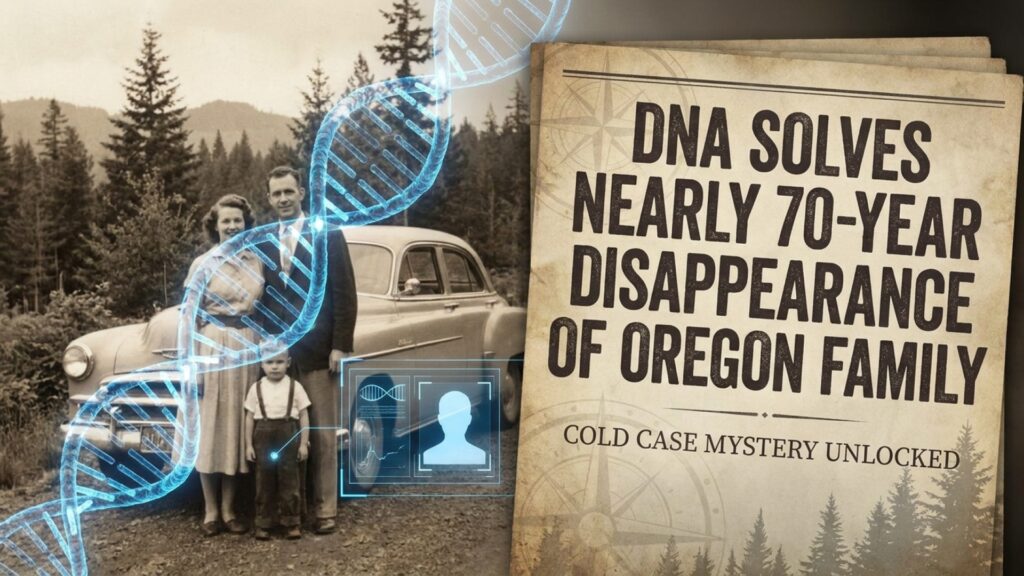
The resolution of this case mirrors many high-profile investigations recently covered by the Lake Erie Times, where local detectives utilize the Utah Bureau of Forensic Services or similar state labs to re-examine legacy evidence. In 2025, a cold case detective determined that the original evidence, preserved for half a century, was viable for advanced testing. Utilizing cutting-edge techniques that require only trace amounts of biological material, technicians extracted a DNA profile that yielded an unequivocal match to Bundy.
Bundy’s Legacy of Violence
At the time of the Aime murder, Bundy was a law student at the University of Utah, a position that allowed him to blend into the community while committing heinous acts across the region. Though he eventually confessed to 30 murders across seven states, many investigators believe his actual victim count is much higher. His ability to evade capture—including two separate escapes from custody in Colorado—remains a subject of study for criminal justice students and investigative journalists alike.
The Importance of Investigative Persistence
As a reporter focusing on community affairs and regional justice, the closure of the Aime case highlights the vital role of long-term evidence preservation. For the family of Laura Ann Aime, the wait lasted 50 years, but the result validates the exhaustive efforts of the Utah County Sheriff’s Office.
This development serves as a beacon of hope for families in our own region of Western New York who are still seeking answers to their own local cold cases. It underscores a fundamental truth in modern policing: time may pass, but science eventually catches up. The Lake Erie Times will continue to monitor how these national forensic breakthroughs influence local investigative standards in Buffalo and the surrounding areas.
About the Author: William Strasmore is a dedicated news reporter for the Lake Erie Times, specializing in investigative journalism and the analysis of regional events and criminal justice developments.
Disclaimer: The content provided by Lake Erie Times is for informational purposes only and should not be considered as professional legal or financial advice. Some links on Lake Erie Times are affiliate links; we may earn a commission at no additional cost to you based on our commitment to quality journalism.