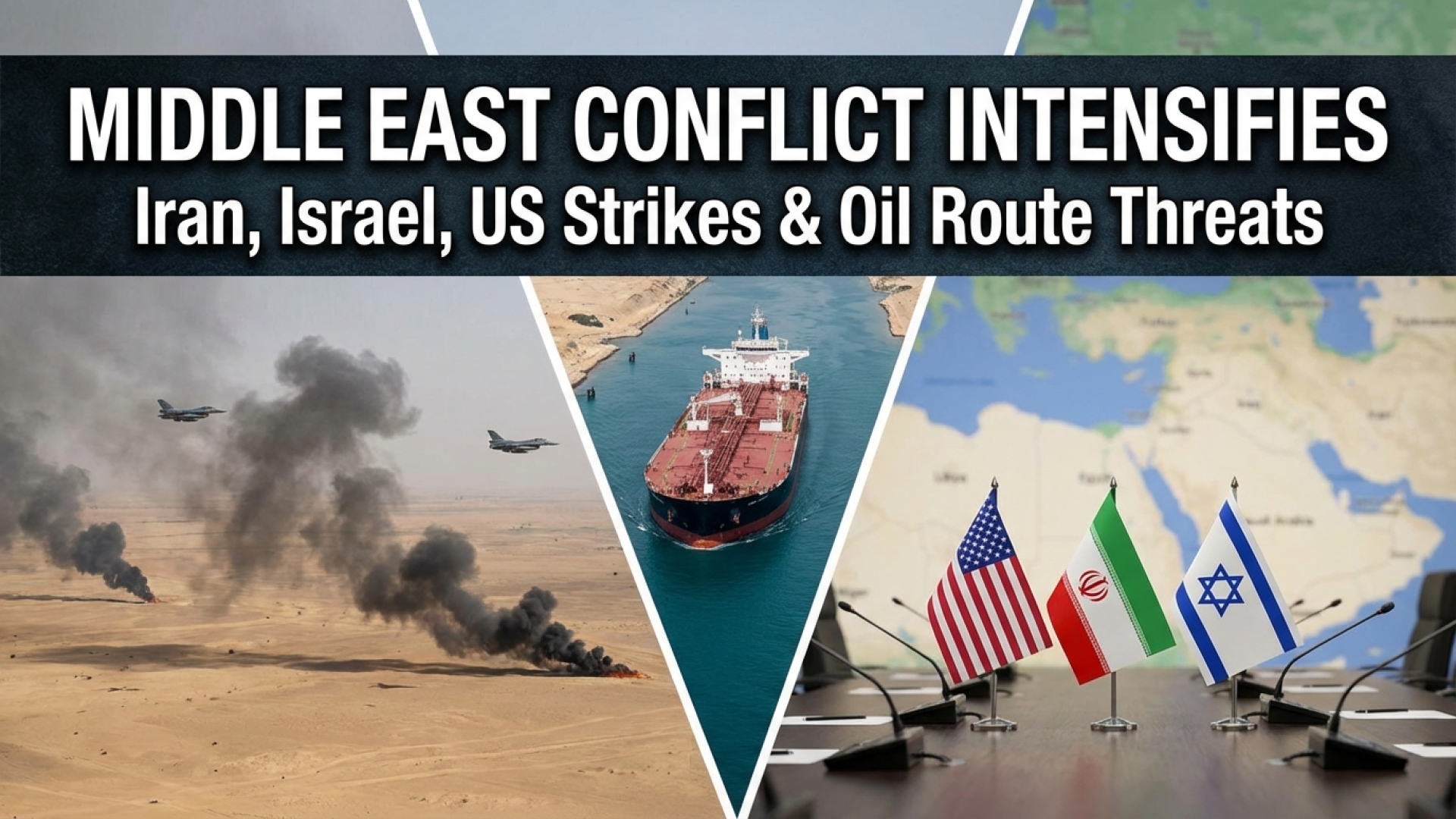
As the conflict in the Middle East enters its fifth week, the ripple effects are being felt far beyond the region’s borders, reaching the doorsteps of residents here in Western New York. Iran has intensified its offensive, targeting critical infrastructure in Kuwait while facing retaliatory strikes from American and Israeli forces. For the Lake Erie Times audience, these developments are more than just distant headlines; they represent a significant threat to global economic stability, particularly regarding the vital oil routes that influence energy costs from the Persian Gulf to the gas stations of Buffalo and Erie County.
Escalating Hostilities and Infrastructure Damage
In recent days, Iranian forces have launched a series of strikes across the Middle East, inflicting substantial damage on civilian and industrial targets. Kuwait’s Mina al-Ahmadi oil refinery, a cornerstone of regional energy production, was struck multiple times, resulting in major fires. Perhaps more concerning for regional stability was the attack on a Kuwaiti desalination plant, which provides the primary source of drinking water for the Gulf states. While sirens blared in Bahrain and the UAE activated its defenses, Saudi Arabia reported the successful interception of several drones.
Israel has reported incoming missile fire, while activists near Tehran and Isfahan have noted retaliatory strikes. These hostilities, combined with Iran’s strategic control over the Strait of Hormuz, have caused global oil prices to surge. As a dedicated source for Western New York news, we are monitoring how these spikes may impact local transport and heating costs as we move further into the season.
The Diplomatic Stalemate: Conflicting Proposals
Amidst the violence, diplomatic efforts are struggling to gain traction. Mohammad Javad Zarif, Iran’s former top diplomat, recently advocated for a de-escalation in Foreign Affairs magazine, warning that prolonged hostility would yield nothing but a “greater loss of precious lives.” However, the path to peace is obstructed by vastly different demands from the involved parties.
The following table outlines the current competing frameworks for a ceasefire:
| Feature | U.S. 15-Point Plan | Iranian Counterproposal |
|---|---|---|
| Strait of Hormuz | Immediate reopening for global trade. | Recognition of Iranian sovereignty over the waterway. |
| Military Presence | Maintenance of regional security bases. | Complete removal of U.S. bases from the Middle East. |
| Nuclear & Missile Program | Dismantling of facilities and production limits. | Sanctions relief in exchange for voluntary limits. |
| Financial Terms | Sanctions relief contingent on compliance. | Direct compensation for war damages. |
The effectiveness of these negotiations remains uncertain. Reports suggest internal friction within the Iranian leadership, and Zarif himself has appeared hesitant regarding his own proposal’s viability. Furthermore, the deployment of thousands of U.S. Marines and paratroopers underscores a “peace through strength” approach that complicates the diplomatic landscape.
Global Security and the Regional Outlook
The closure of the Strait of Hormuz—through which one-fifth of the world’s oil and natural gas transits—has sent Brent crude prices into a volatile climb. The UN Security Council is currently reviewing a proposal from Bahrain to authorize defensive actions to secure the waterway. While international cooperation is visible, such as recent joint commitments from France and South Korea, opposition from veto-holding members like Russia and China continues to stall a unified global response.
At the Lake Erie Times, we remain committed to providing our community with accurate and impartial reporting on how these international crises affect our local economy and national security. William Strasmore will continue to provide in-depth analysis as this situation evolves.
Disclaimer: The content provided by Lake Erie Times is for informational purposes only and should not be considered as professional legal or financial advice. Some links on Lake Erie Times are affiliate links. This means that if you make a purchase through these links, we may earn a commission at no additional cost to you.