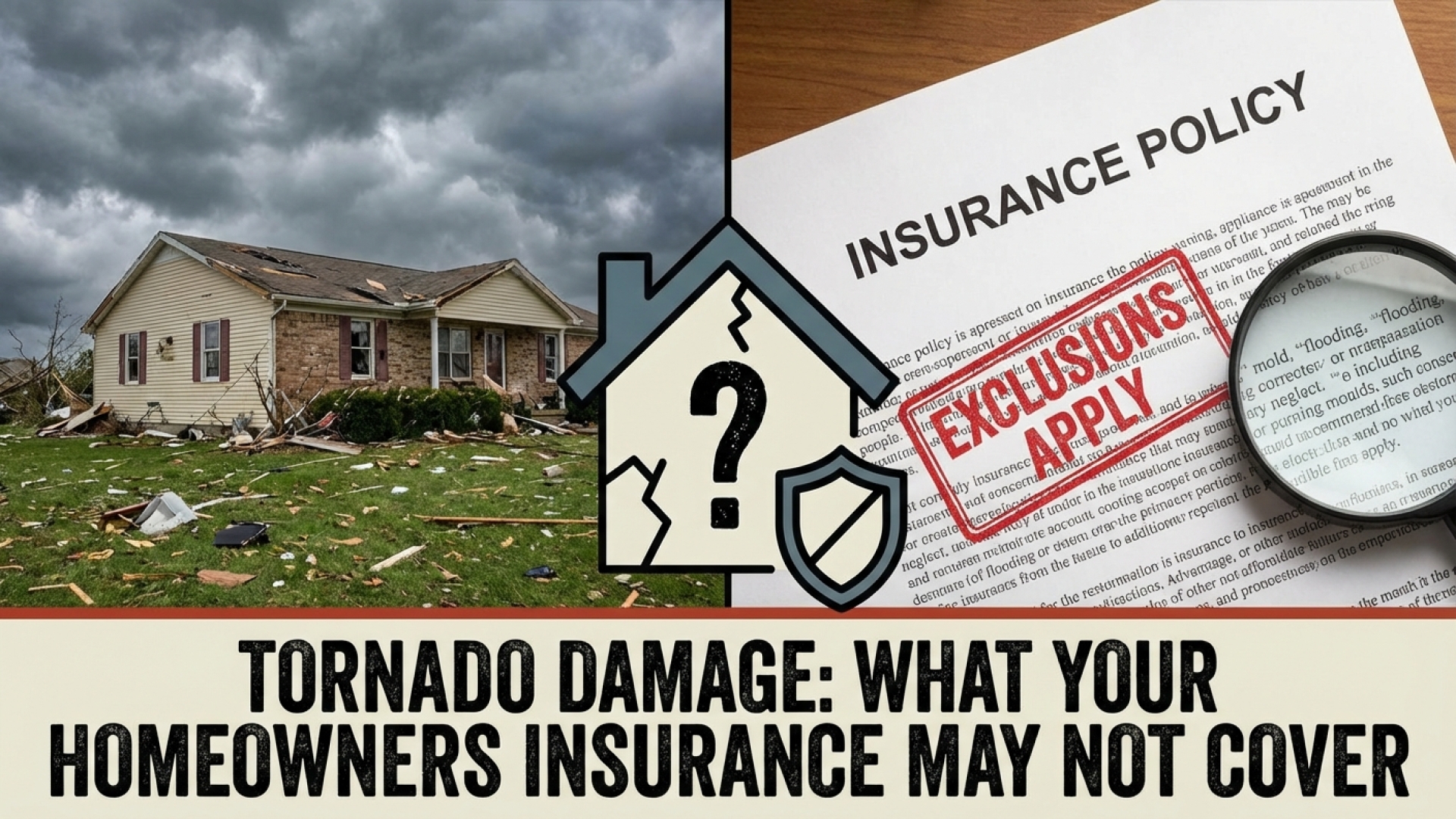
BUFFALO, NY — A tornado or severe windstorm can devastate a Western New York home in a matter of seconds, but for many local homeowners, the true financial impact begins long after the storm clouds have cleared. As severe weather patterns shift and intensify across the Great Lakes region, a growing number of policyholders are discovering a costly detail buried in their fine print: the wind and hail deductible.
The Shift to Percentage-Based Deductibles
For decades, homeowners in the Buffalo area were accustomed to flat-rate deductibles, often ranging from $500 to $1,000. However, insurance companies are increasingly moving toward percentage-based deductibles for specific types of damage, a move that can catch many residents off guard.
“Many insurers are now implementing wind and hail deductibles in states prone to severe convective storms — it’s a growing trend,” says Mark Friedlander of the Insurance Information Institute. These deductibles typically range from 1% to 5% of a home’s total insured value.
The financial difference is significant, as illustrated in the table below:
| Home Insured Value | 1% Deductible (Out-of-Pocket) | 5% Deductible (Out-of-Pocket) |
|---|---|---|
| $200,000 | $2,000 | $10,000 |
| $300,000 | $3,000 | $15,000 |
| $400,000 | $4,000 | $20,000 |
On a home insured for $300,000, a 1% deductible requires the homeowner to pay $3,000 out of pocket. At 5%, that cost jumps to $15,000 before the insurance company pays a cent for repairs. For Western New Yorkers on a fixed income, this shift can be devastating.
Record-Breaking Storm Losses Reach the East
The trend toward higher deductibles is driven by a surge in “severe convective storms.” According to Friedlander, these storms—which include tornadoes, hail, and damaging winds—are now generating more insured losses than hurricanes. The U.S. has seen three consecutive years with more than $50 billion in losses attributed to these weather events.
While originally most common in the “Tornado Alley” regions of the Plains and Midwest, these deductibles are becoming standard in the East as tornado activity and high-wind events shift geographically toward the Great Lakes and Northeast.
Common Coverage Misconceptions
At Lake Erie Times, we frequently see community members surprised by what their policies exclude. Experts warn that homeowners often assume their policy covers more than it actually does. Two major areas of confusion include:
- Vehicles in Garages: Many homeowners believe if a garage collapses on their car during a storm, the home insurance will cover the vehicle. This is false. Damage to vehicles is only covered if the owner has optional comprehensive coverage on their auto insurance policy.
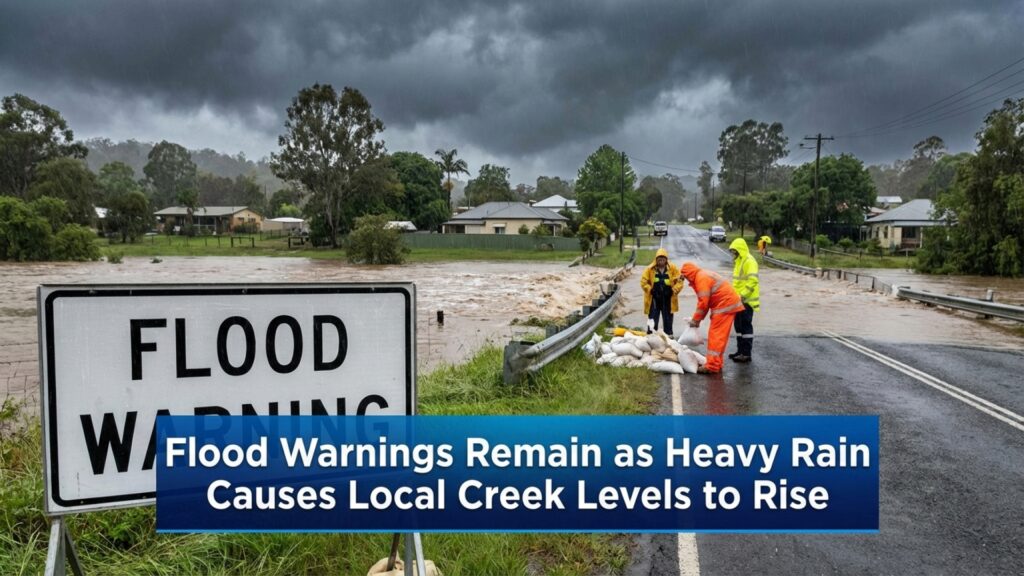
- Flooding: There is a critical distinction between “falling” water and “rising” water. If a tornado rips off a roof and rain pours in, it is generally covered. However, if a nearby creek overflows or a flash flood occurs—common in Western New York’s low-lying areas—it is not covered under standard homeowners insurance. For that, you need a separate flood policy, which only about 6% of U.S. households carry.
The Importance of Replacement Cost
With inflation and rising construction costs in the Buffalo-Niagara region, a policy that was adequate five years ago may leave a homeowner with a massive shortfall today. William Strasmore’s analysis of regional trends suggests that local construction labor shortages can further drive up the cost of emergency repairs.
Friedlander advises homeowners to ensure their policies reflect current construction costs rather than just the home’s original purchase price. “You want to make sure you have adequate replacement cost,” Friedlander notes. “Many people had a major shortfall of coverage in recent catastrophes because their policies were not current.”
The Bottom Line
Insurance experts recommend a “pre-disaster” review with an agent. Homeowners should confirm their deductible percentages, check for comprehensive auto coverage, and verify that their policy’s replacement cost aligns with today’s market rates. Understanding these details now can prevent a financial disaster from following a natural one. For the latest updates on regional safety and economic impacts, stay tuned to our local news coverage.
Disclaimer: The content provided by Lake Erie Times is for informational purposes only and should not be considered as professional legal or financial advice. Some links on Lake Erie Times are affiliate links. This means that if you make a purchase through these links, we may earn a commission at no additional cost to you.