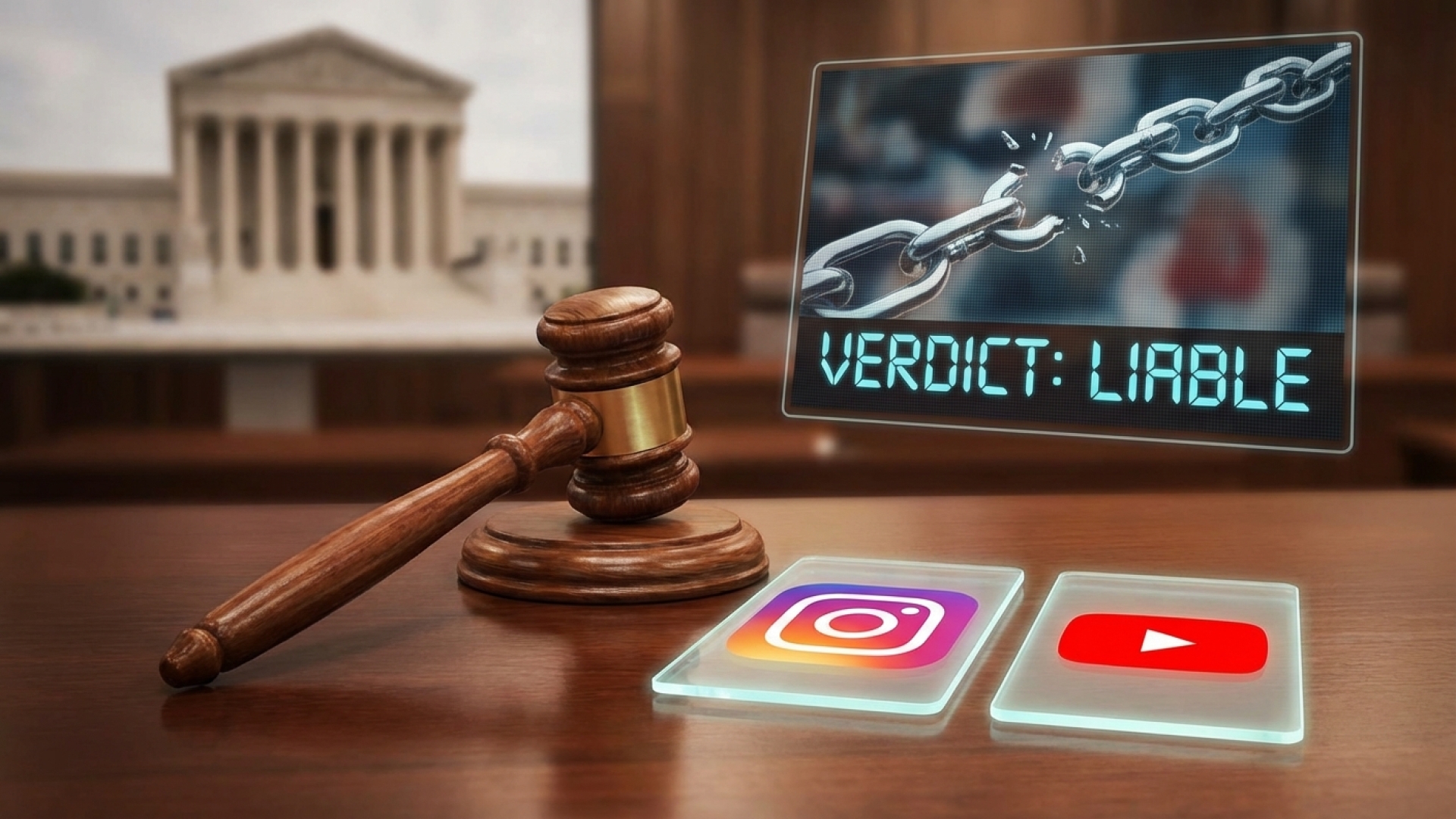
In a decision that could reshape the digital landscape for families across Western New York and the nation, a California jury has found Meta and YouTube liable in a high-stakes lawsuit regarding social media addiction. This verdict represents the first time tech giants have been held legally accountable for the impact of their platform designs on children’s mental health, with the plaintiff receiving $3 million in damages.
A Groundbreaking Verdict in Tech Liability
After more than 40 hours of deliberation, jurors determined that the defendants were negligent in how they engineered and operated their platforms. The case centered on Kaley, a 20-year-old woman who argued that her heavy usage of these services during her formative years—starting with YouTube at age 6 and Instagram at age 9—directly contributed to her addiction and worsened her mental health struggles. Beyond the initial award, the jury recommended an additional $3 million in punitive damages, citing evidence of malice or fraud, though a judge will make the final determination on that figure.
This legal battle originally included other major players like TikTok and Snap, both of which reached settlements before the trial began. For the Lake Erie Times audience, this case highlights a growing movement toward corporate accountability in the digital sphere, a topic of increasing concern in local community discussions regarding youth safety.
Engineering Engagement: Features Under Fire
The core of the plaintiff’s argument rested on the specific design features of these platforms. Legal counsel for Kaley argued that “infinite” feeds, autoplay functions, and constant notifications were intentionally designed to “hook” young users into a cycle of compulsive use. Crucially, the jury was directed to focus on the platform architecture rather than the content of the posts themselves, as Section 230 of the Communications Decency Act continues to shield companies from liability regarding user-generated content.
In their defense, Meta—the parent company of Instagram—claimed that the plaintiff’s psychological issues existed prior to her use of the app. Meanwhile, Google-owned YouTube characterized itself as a video-sharing service similar to traditional television rather than a social network. Despite these arguments, the jury found that the platforms were a “substantial factor” in the harm caused.
The Road Ahead for Digital Accountability
As a bellwether trial, the outcome of this case is expected to influence the trajectory of thousands of similar lawsuits currently pending against major tech firms. This development is particularly relevant to our readers in Buffalo and the broader Western New York region, as it brings internal corporate documents and design philosophies into the public record for the first time.
Legal analysts are already drawing comparisons between this verdict and the historical litigation against the tobacco and opioid industries. The Social Media Victims Law Center has indicated that this is merely the beginning of a larger effort to compel companies to address systemic issues such as depression, eating disorders, and self-harm associated with prolonged usage. For more updates on how national politics and legal trends affect our community, stay tuned to Lake Erie Times.
The content provided by Lake Erie Times is for informational purposes only and should not be considered as professional legal or financial advice. Some links on Lake Erie Times are affiliate links. This means that if you make a purchase through these links, we may earn a commission at no additional cost to you. Our recommendations are based on careful research and our commitment to quality journalism.