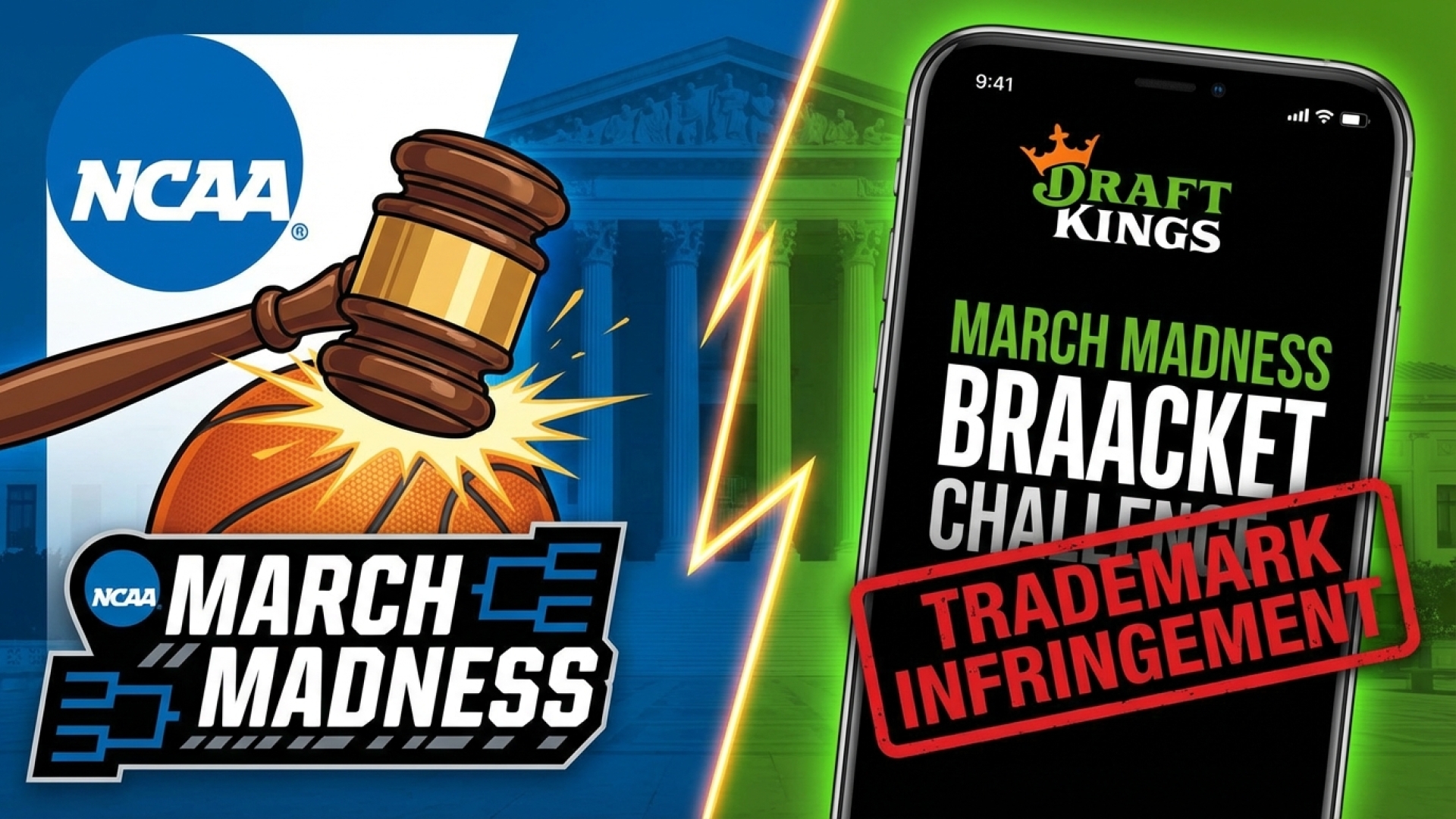
As Western New York sports fans gear up for one of the busiest months in the sporting calendar, a high-stakes legal battle is unfolding off the court. The National Collegiate Athletic Association (NCAA) has officially filed for an emergency restraining order against the digital sportsbook giant DraftKings. The complaint, lodged in federal court, seeks to immediately halt the betting platform’s use of several iconic trademarked terms. For the thousands of Buffalo-area residents who utilize mobile betting apps, this legal skirmish highlights the growing tension between collegiate traditions and the rapid expansion of the gambling industry.
NCAA Challenges DraftKings Over Trademark Usage
The legal filing, submitted to the Southern District of Indiana, alleges that DraftKings is infringing on intellectual property that is central to the NCAA’s identity. The association is demanding that the sportsbook stop using specific phrases that have become synonymous with the spring basketball season. According to the complaint, DraftKings has integrated these marks into its wagering menus, marketing materials, and promotional graphics to create a “false association” with the tournament’s governing body.
The NCAA argues that the timing of this usage is no coincidence. By deploying these terms on the eve of the tournament, the association claims DraftKings is attempting to “usurp the immense goodwill and consumer trust” that the NCAA has built over decades. Below is a summary of the primary trademarks currently under dispute:
| Trademarked Term | NCAA Usage | Alleged Infringement |
|---|---|---|
| March Madness | Primary tournament branding | Promotional betting headers |
| Final Four | The national semifinals | Graphic overlays and social media ads |
| Elite Eight / Sweet Sixteen | Regional tournament rounds | Wagering menu categorization |
The Defense: Fair Use and Free Speech
DraftKings has signaled it will not back down without a fight. In a public response, the company asserted that its use of these terms does not constitute trademark infringement but rather falls under the category of “fair use.” Their legal team argues that terms like “March Madness” are being used as plain-text descriptions to help bettors identify which games they are placing stakes on, much like how they reference the NIT or other collegiate events.
Furthermore, DraftKings contends that its communication is protected under the First Amendment. They maintain that accurately naming a tournament for the purpose of identification is a form of protected speech. The sportsbook expressed confidence that the federal court would recognize their right to use these descriptive terms and deny the NCAA’s request for an immediate injunction.
Preserving the Integrity of Amateur Athletics
For William Strasmore and our reporting team here at the Lake Erie Times, this case represents more than just a corporate dispute; it reflects the NCAA’s broader struggle to insulate student-athletes from the influence of sports gambling. Despite the legalization of sports betting in New York and other states, the NCAA has remained steadfast in its opposition to sportsbook sponsorships and prop bets involving individual student-athletes.
The Association emphasized that unauthorized associations with gambling platforms could lead to significant harm, particularly among college-aged individuals who are often the most vulnerable to gambling-related issues. By seeking this restraining order, the NCAA aims to maintain a clear boundary between its sanctioned competitions and the commercial gambling market.
A Developing Story for Western New York
The outcome of this case will set a critical precedent for how intellectual property is handled in the era of legalized digital betting. For the local community in Buffalo and the broader Western New York region, where college basketball roots run deep, the decision could change how fans interact with betting apps during future tournaments. As an organization committed to uncovering the truth and providing in-depth analysis of regional issues, the Lake Erie Times will continue to monitor these proceedings closely.
Disclaimer: The content provided by Lake Erie Times is for informational purposes only and should not be considered as professional legal or financial advice. Some links on Lake Erie Times are affiliate links. This means that if you make a purchase through these links, we may earn a commission at no additional cost to you.