A seismic shift in the legal landscape is currently unfolding as school districts, government entities, and thousands of families across the country—including many throughout Western New York—demand accountability from tech giants. Recent developments, highlighted by a landmark verdict in New Mexico against Meta, suggest that the era of unchecked social media influence on youth mental health may be coming to a close. For the communities served by the Lake Erie Times, these national legal battles provide a roadmap for potential local action and reform.
The New Mexico Verdict: Setting a National Precedent
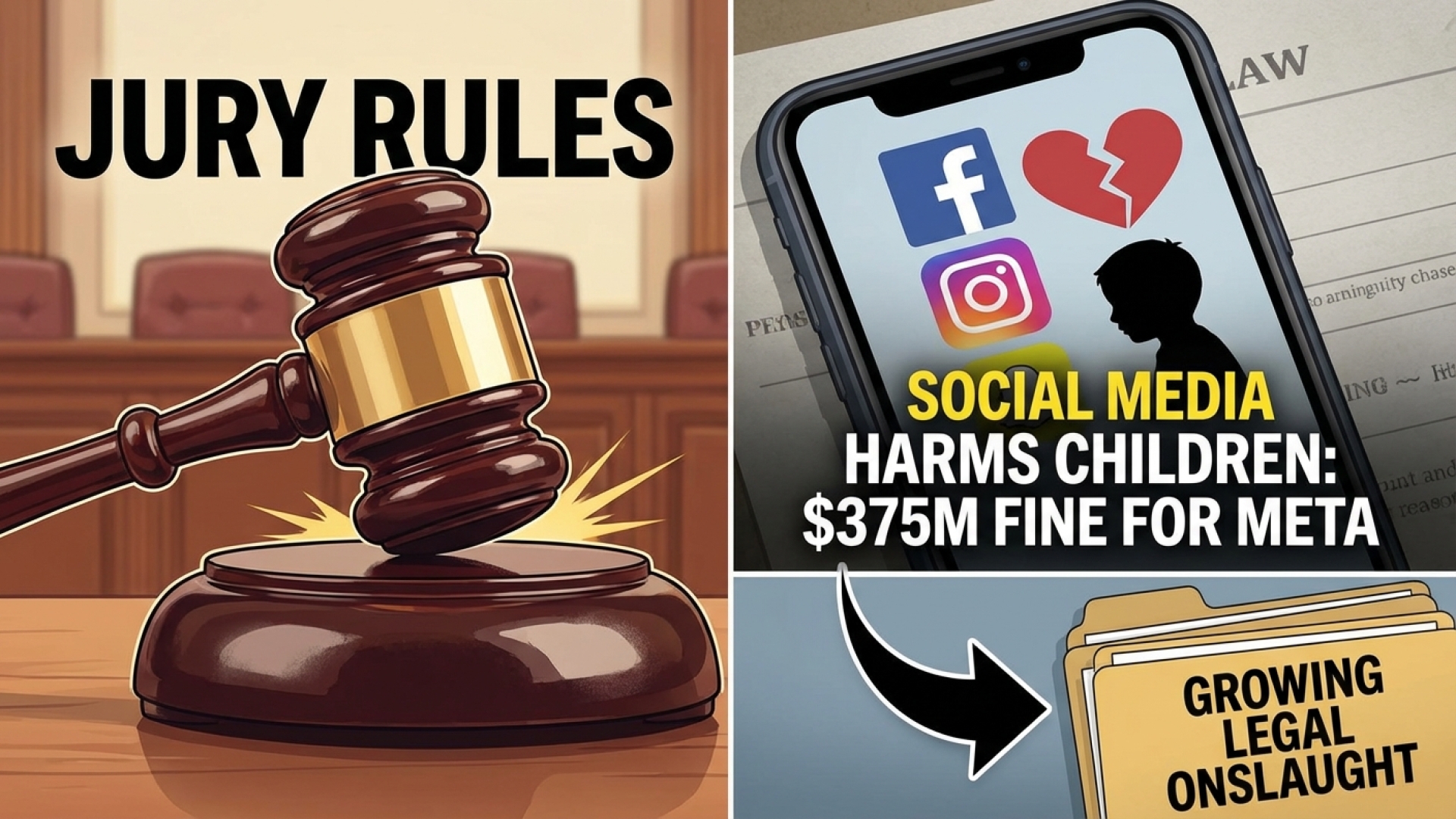
In a decision that has sent ripples through the tech industry, a New Mexico jury recently found that Meta’s primary platforms—Facebook, Instagram, and WhatsApp—are inherently harmful to children’s mental health. The jury imposed a $375 million penalty, a figure that, while modest compared to Meta’s annual revenue, represents a significant moral and legal victory for advocates of child safety.
The case, spearheaded by New Mexico Attorney General Raúl Torrez, alleged that Meta deliberately prioritized profit margins over the well-being of its youngest users. Prosecutors successfully argued that the company suppressed internal data regarding the dangers of child sexual exploitation and the psychological toll of its algorithms. The jury concluded that Meta engaged in “unconscionable” trade practices, violating state consumer protection laws by misleading the public about the safety of its services. While Meta has signaled its intent to appeal, the verdict stands as a clear warning to Silicon Valley.
Addiction by Design: The Los Angeles Bellwether
Parallel to the New Mexico ruling, a critical lifestyle and wellness issue is being litigated in Los Angeles. This case focuses on the “addictive” nature of platform design. Unlike traditional product liability cases, this litigation argues that features like infinite scroll and targeted notifications were engineered to exploit the neurobiology of developing brains.
While TikTok and Snap reached settlements before trial, Meta and YouTube remain under the spotlight. The case of a 20-year-old plaintiff known as “KGM” is serving as a bellwether. Her testimony illustrates a broader trend identified by the Social Media Victims Law Center, which represents over 1,000 families. The central argument is that social media platforms function less like neutral tools and more like digital slot machines, fostering dependency that can lead to severe anxiety, depression, and self-harm.
School Districts and the “Opioid” Comparison
Educational institutions in our region and beyond are increasingly burdened by the mental health crisis exacerbated by social media. This summer, multidistrict litigation in Oakland, California, will see school districts challenging tech companies before U.S. District Judge Yvonne Gonzalez Rogers. This move reflects a growing sentiment in local news circles that schools are being forced to divert resources to manage a crisis they did not create.
Legal experts, including trial attorney Jayne Conroy, have drawn striking parallels between social media litigation and the historic lawsuits against opioid manufacturers. The comparison hinges on the science of addiction; Conroy argues that the dopamine response triggered by social media interaction mimics the neurological effects of heroin or synthetic opioids. In both instances, the allegation is that corporations were aware of the risks but chose to obscure them to protect their market share.
Summary of Key Legal Actions
| Jurisdiction | Primary Defendant(s) | Core Legal Argument | Status |
|---|---|---|---|
| New Mexico | Meta (Facebook/Instagram) | Consumer Protection/Child Safety | $375M Verdict (Pending Appeal) |
| Los Angeles | Meta, YouTube, TikTok, Snap | Product Liability/Addictive Design | Ongoing (Some Settlements Reached) |
| Oakland (MDL) | Various Tech Giants | Public Nuisance/Educational Impact | Trial Scheduled for Summer |
Dueling Narratives and the Road Ahead
The tech industry continues to mount a robust defense, asserting that “addiction” is a misnomer and that there is no scientific consensus linking social media use directly to clinical mental health disorders. They point out that social media is not recognized as a formal addiction in the Diagnostic and Statistical Manual of Mental Disorders (DSM). However, as Lake Erie Times has monitored in regional political discussions, lawmakers are no longer waiting for clinical consensus to enact stricter regulations.
As William Strasmore continues to track these developments, it remains clear that the resolution of these cases will take years. While Meta and its peers have introduced various safety features, critics argue these are largely cosmetic. For Western New York parents and educators, these trials are more than just legal headlines; they represent a fundamental struggle to reclaim the digital childhood. The outcome of these “bellwether” cases will ultimately determine the level of duty these companies owe to their most vulnerable users.
Disclaimer: The content provided by Lake Erie Times is for informational purposes only and should not be considered as professional legal or financial advice. Some links on Lake Erie Times are affiliate links. This means that if you make a purchase through these links, we may earn a commission at no additional cost to you.