As Western New York commuters navigate the daily drive across the Peace Bridge or along the Thruway, they are being met with a familiar yet unwelcome sight: rising numbers at the pump. While national averages for gasoline are seeing a steady uptick, it is the sharp climb in diesel prices that is sounding alarms for regional logistics and the broader economy. Here at the Lake Erie Times, we are tracking how these global shifts impact the wallets of Buffalo residents.
The State of the Pump: Gasoline and Diesel Trends
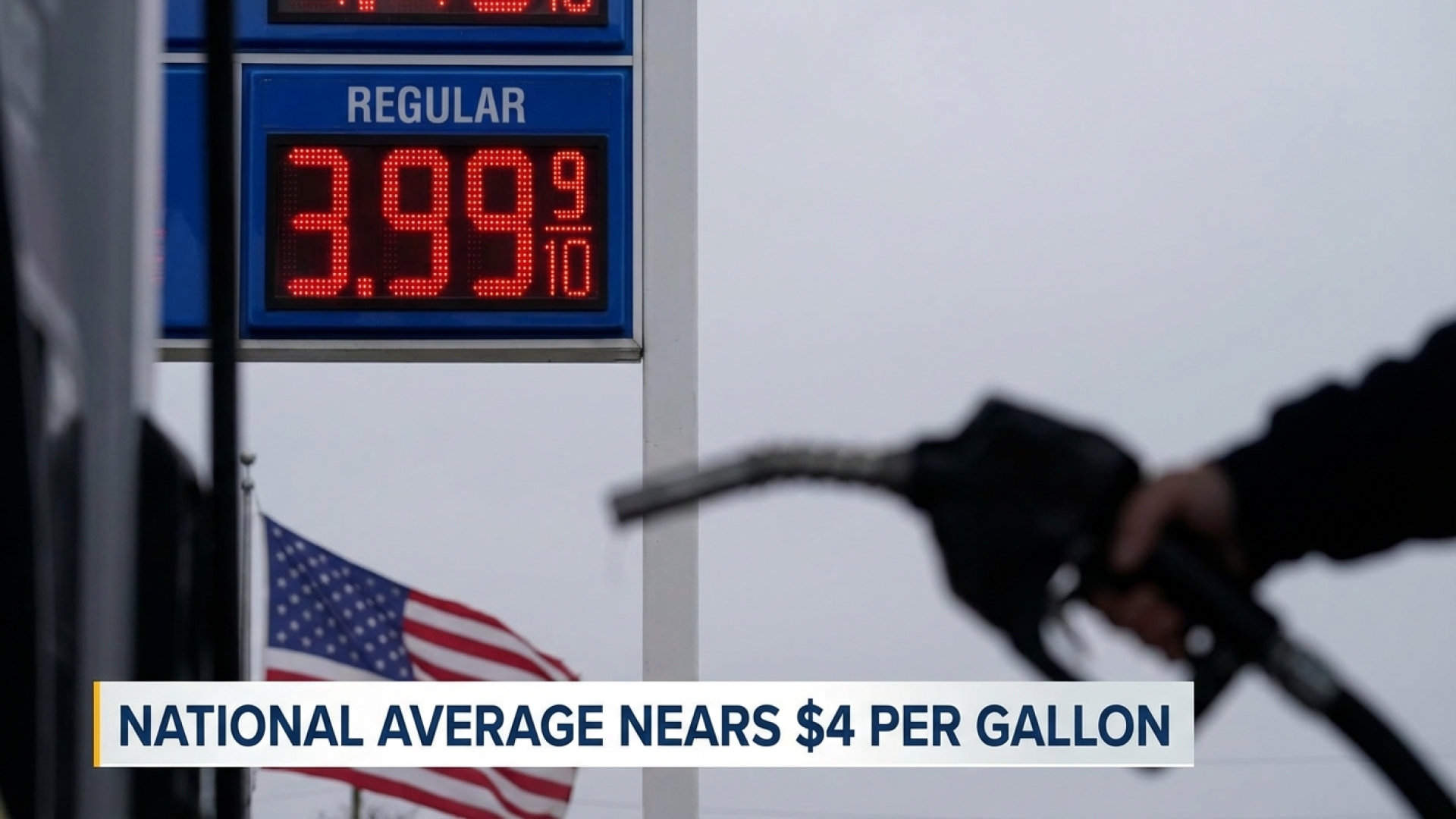
On Wednesday, the national retail price for a gallon of regular gasoline climbed to $3.983. This represents a subtle increase from Tuesday’s $3.977, but a jarring leap from the $2.975 average recorded just one month ago. For many drivers, the proximity to the $4 per gallon threshold is a significant psychological and financial barrier that has held firm for several consecutive days.
The situation for diesel is even more pronounced. The national average reached $5.366 on Wednesday, up from $5.345 the previous day. This rapid escalation from $3.749 just 30 days ago is particularly concerning for the Western New York freight corridor. Current prices are inching closer to the all-time record high of $5.816, which was set in June 2022.
Regional Price Disparities
Fuel costs continue to show wide geographic disparity across the United States. While New York averages often fluctuate based on regional supply and state taxes, they remain caught between the extremes seen on the West Coast and the Gulf region.
| Region/State | Regular Gasoline (Per Gallon) | Diesel (Per Gallon) |
|---|---|---|
| National Average | $3.983 | $5.366 |
| California (Highest) | $5.831 | $7.072 |
| Oklahoma (Lowest) | $3.265 | $4.504 |
Geopolitical Volatility and Seasonal Pressures
The primary catalyst for this price surge is a volatile cocktail of international conflict and seasonal shifts. Following recent military tensions in the Middle East, specifically involving the Strait of Hormuz, global oil markets have reacted with predictable instability. With roughly 20 percent of global oil passing through this vital waterway, the effective closure by Iranian forces has sent crude oil prices soaring, frequently surpassing $100 per barrel in recent weeks.
Beyond the geopolitical landscape, AAA points to the onset of spring travel as a secondary factor. Warmer weather typically triggers a spike in gasoline consumption as families head out for spring break. This increased demand, coupled with the transition to more expensive summer-blend fuels, often results in the seasonal “spring spike” that Buffalo drivers are currently witnessing.
Economic Implications for the Buffalo Region
The ripple effect of rising crude oil prices extends far beyond the individual gas pump. Higher diesel and jet fuel costs increase transportation overhead for nearly every sector of the supply chain. For Western New York, a critical hub for regional trade and logistics, these costs eventually manifest as higher prices at the grocery store and retail outlets.
As international pressure mounts to reopen critical trade routes, local consumers should prepare for continued volatility through the remainder of the spring season. Our commitment at the Lake Erie Times remains focused on providing accurate, in-depth reporting on how these global events shape the daily lives of our community members.