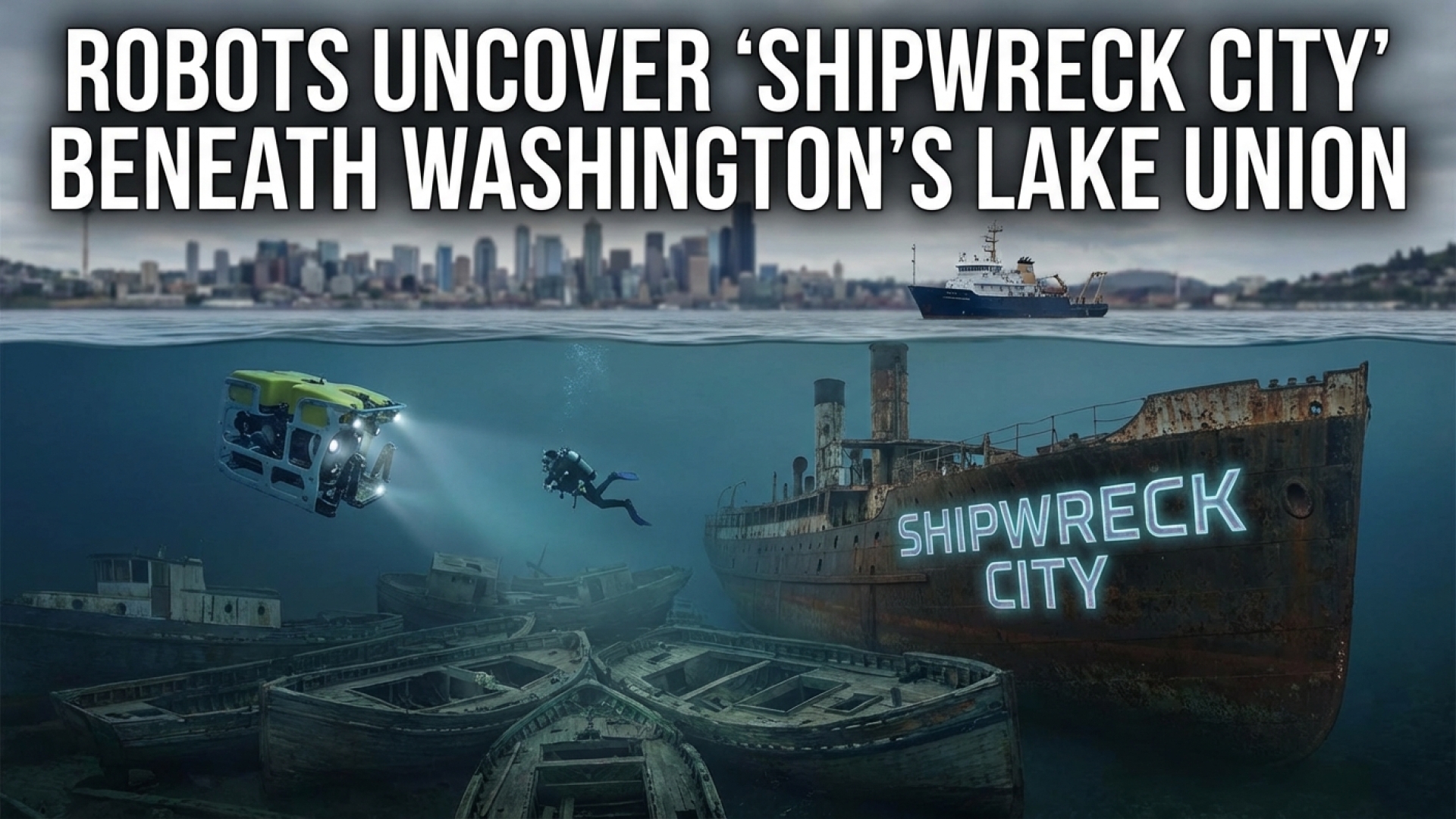
While Western New York residents are intimately familiar with the treacherous depths of Lake Erie—often regarded as a “shipwreck capital” in its own right—a similar underwater mystery is unfolding on the West Coast. In a revelation that mirrors the maritime history of the Great Lakes, modern robotics have uncovered an extensive “shipwreck city” hidden beneath the surface of Lake Union in Washington state.
A high-resolution sonar survey recently identified nearly 100 “targets” on the lakebed. These findings include a graveyard of barges, work boats, and industrial debris. While the exact count of confirmed vessels is still being tallied, experts estimate that roughly half of these targets are historic shipwrecks that have remained unseen for decades.
William Strasmore, reporting for the Lake Erie Times, explores how these advancements in underwater technology are bridging the gap between maritime history and environmental preservation.
Advanced Robotics Navigating Hazardous Waters
The exploration is led by Phil Parisi, an ocean engineer and remotely operated vehicle (ROV) specialist. By deploying robotic technology, Parisi is able to document these wrecks in conditions that would be prohibitively dangerous for human divers due to low visibility and industrial pollution.
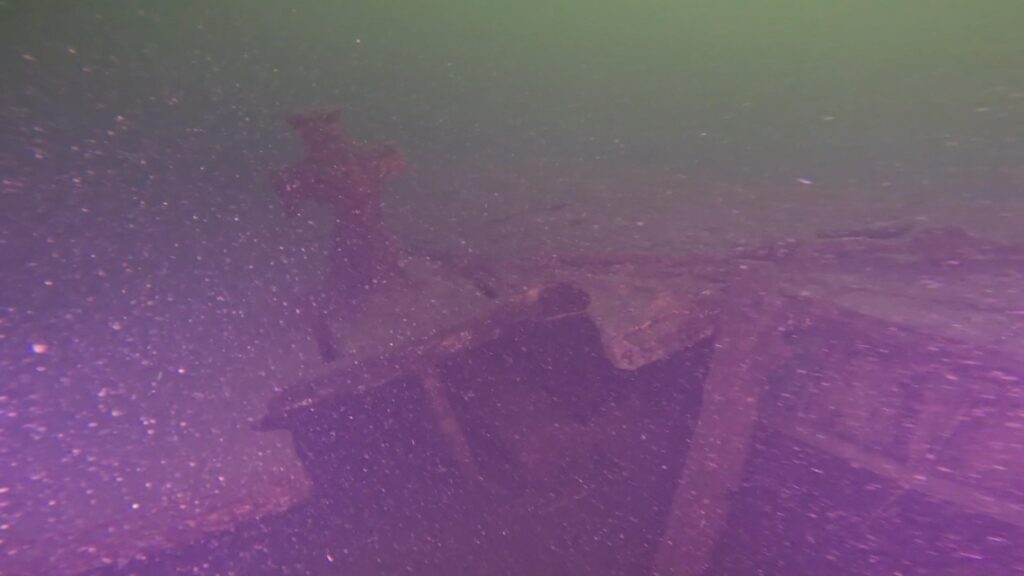
“We need to document what these wrecks look like today,” Parisi stated. The technology allows for extended bottom times and high-definition imaging that surpasses the capabilities of traditional sonar mapping.
To date, Parisi has successfully explored seven sites, some of which were previously undocumented. This non-invasive approach is becoming the gold standard for maritime archaeology, much like the efforts used to preserve sites within the Western New York community.
A “Ghost Town” Beneath the Surface
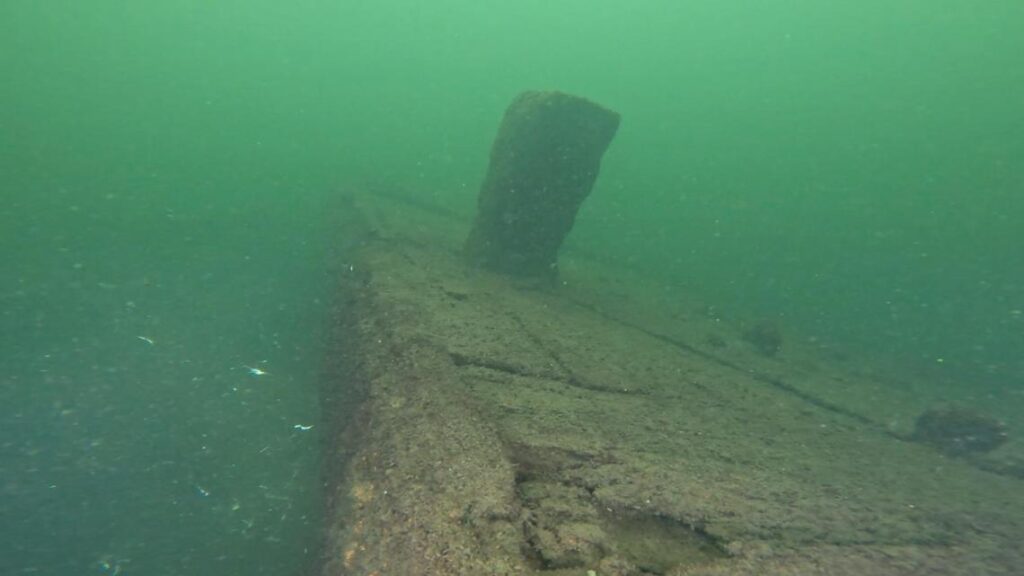
Unlike the high-profile gold-laden wrecks often depicted in cinema, these vessels tell a story of industrial evolution. Many were intentionally scuttled after their valuable components were salvaged—a common historical practice to avoid the costs of disposal. What remains is a skeletal “ghost town” preserved in the cold, dark depths.
Parisi’s findings highlight a sobering reality: the intersection of history and modern pollution. At nearly every wreck site, the ROVs encountered modern refuse, including tires and plastic waste. This highlights a challenge familiar to those monitoring our own local Great Lakes environment: the accumulation of human impact in deep-water ecosystems.
Snapshot of Underwater Discoveries
| Feature | Details |
|---|---|
| Total Sonar Targets | Nearly 100 unidentified objects |
| Estimated Shipwrecks | Approximately 50 vessels |
| Primary Method | Remotely Operated Vehicles (ROVs) |
| Primary Debris | Barges, work boats, tires, and plastics |
Bridging the Gap in Maritime History
For historians like Nathaniel Howe of the Puget Sound Maritime Historical Society, these robotic surveys offer a safer, more ethically responsible method of study. Rather than disturbing the sites through traditional salvage, researchers can now create digital twins of the wrecks for future generations.
The implications of this technology extend far beyond the West Coast. As we continue to monitor the weather and lake conditions in the Buffalo region, the potential for similar ROV surveys to uncover deeper secrets of Lake Erie’s “Shipwreck Alley” remains a point of interest for local historians and environmentalists alike.
For now, the exploration of Lake Union serves as a reminder that even in urban environments, an unseen world lies just beneath the surface, waiting for the right technology to bring it back into the light.
Disclaimer: The content provided by Lake Erie Times is for informational purposes only and should not be considered as professional legal or financial advice.
Affiliate Disclaimer: Some links on Lake Erie Times are affiliate links. This means that if you make a purchase through these links, we may earn a commission at no additional cost to you. Our recommendations are based on careful research and our commitment to quality journalism.
For more in-depth reporting on regional issues and community affairs, visit the author page of William Strasmore.