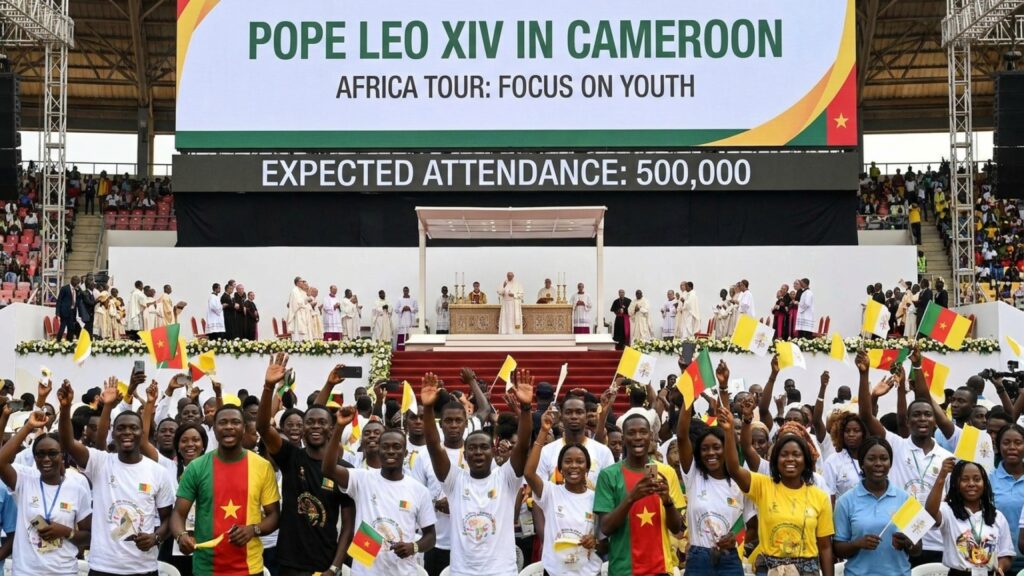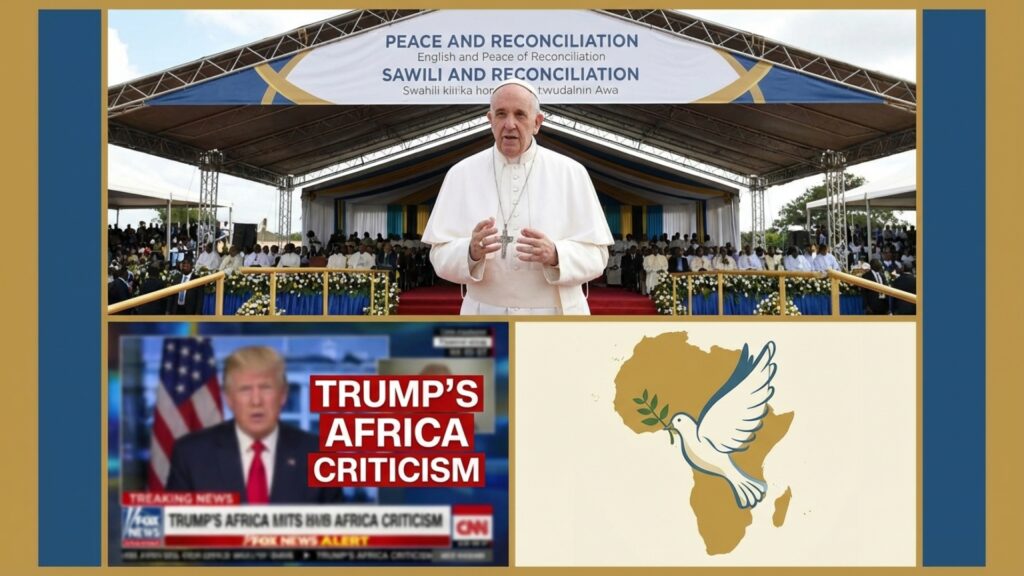
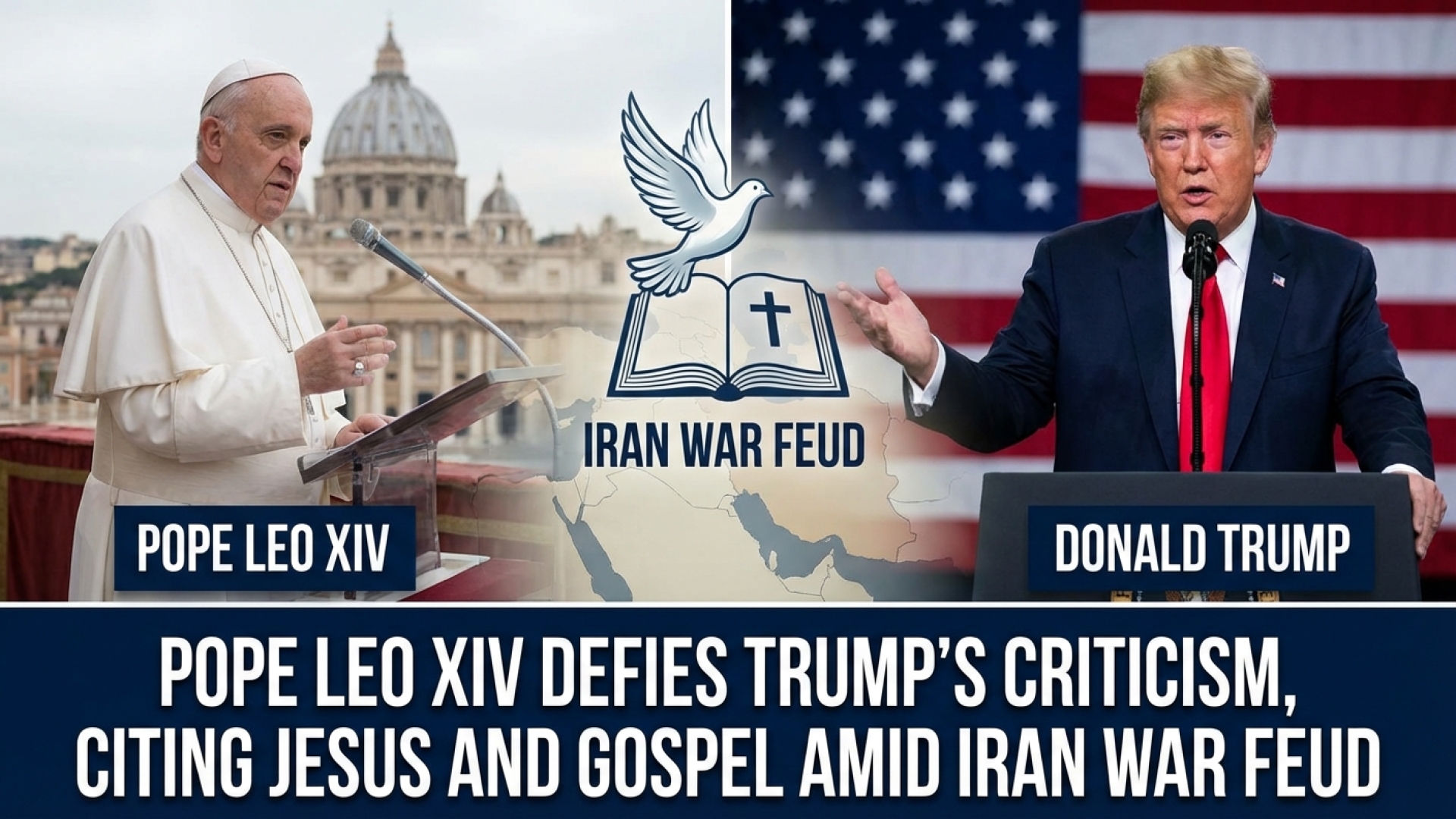
In a move that has resonated across the pews of Western New York’s extensive Catholic community, Pope Leo XIV used his platform Monday to clarify his stance on global conflict. Addressing reporters aboard the papal plane en route to Algeria, the U.S.-born pontiff pushed back against recent criticisms from the White House, asserting that his advocacy for peace is a theological mandate rather than a political strike.
Pope Leo XIV Rejects Trump’s Criticisms, Advocates for Peace
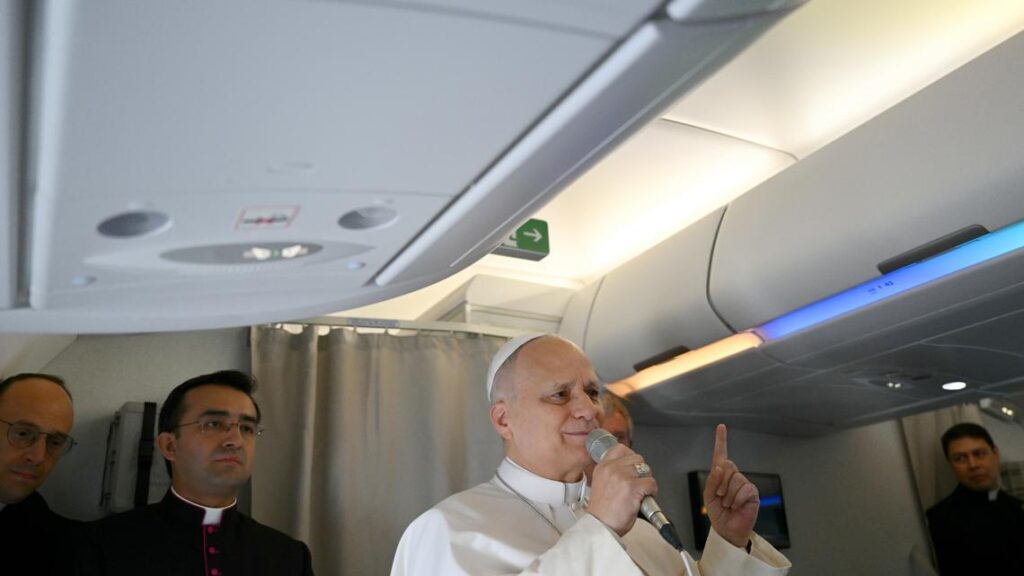
The tension between the Vatican and the Trump administration reached a new peak following the latest developments in the U.S.-Israel war in Iran. Pope Leo XIV told the Associated Press that the Church’s appeals for reconciliation are “deeply rooted in the Gospel.” Explicitly stating he does not fear the current administration, the Pope clarified that his message—”Blessed are the peacemakers”—is a general appeal for humanity rather than a targeted critique of President Donald Trump.
“I will not shy away from announcing the message of the Gospel and inviting all people to look for ways of building bridges of peace and reconciliation,” Leo asserted. He reiterated his commitment to multilateralism, arguing that international dialogue is the only viable path to protecting innocent lives caught in the crossfire of regional conflicts.
White House Delivers Sharp Rebuttal
The response from President Donald Trump was uncharacteristically direct regarding a religious leader. During a social media address and subsequent press briefing upon returning to Washington from Florida, Trump expressed his disapproval of the pontiff’s direction. “I’m not a fan of Pope Leo,” Trump stated plainly, suggesting the Pope was “catering to the Radical Left” and failing to fulfill the traditional expectations of his office.
Key Policy Divergences
The rift between the two leaders centers on three primary geopolitical issues. The following table outlines the core disagreements that have defined this rare diplomatic friction:
| Issue | Pope Leo XIV’s Position | President Trump’s Position |
|---|---|---|
| Iran Conflict | Advocates for immediate ceasefire and face-to-face negotiations. | Maintains that military pressure is necessary for regional stability. |
| Nuclear Proliferation | Opposes any development or possession of nuclear weapons. | Criticizes the Pope as “weak” for not supporting a harder line against Iranian nuclear ambitions. |
| Venezuela | Favors internal diplomatic resolution and humanitarian aid. | Supports the interventionist policies that ousted Nicolás Maduro. |
Trump also suggested that the Pope’s appointment had political undertones, claiming, “If I wasn’t in the White House, Leo wouldn’t be in the Vatican.” He urged the pontiff to focus on being a “Great Pope, not a Politician.”
Regional and Religious Solidarity
In Buffalo and across the broader Western New York region, where the Catholic Church maintains a significant cultural and spiritual presence, the exchange has sparked intense dialogue. Supporters of the Pope highlight his role as the “Vicar of Christ,” whose duty is to speak on moral truths regardless of political winds.
Archbishop Paul S. Coakley, president of the U.S. Conference of Catholic Bishops, issued a statement of support, noting that the Pope is not a rival politician but a shepherd focused on the “care of souls.” Similarly, Italian Premier Giorgia Meloni and other European leaders have expressed solidarity with the Pope’s mission for global peace.
The Intersection of Faith and Foreign Policy
The Trump administration continues to frame the conflict through a different religious lens, cultivating deep ties with conservative evangelical leaders. Defense Secretary Pete Hegseth recently encouraged Americans to pray for a military victory, while President Trump suggested that his administration’s actions carry a divine endorsement. “God wants to see people taken care of,” Trump remarked when asked if his war strategy aligned with religious values.
As the face-to-face negotiations between the U.S. and Iran begin in Pakistan, the eyes of the world—and the residents of Lake Erie’s shores—remain fixed on how this collision of faith and statecraft will influence the prospect of global stability.
For more local insights on how national politics impact our community, visit our Politics and Community sections.
Disclaimer: The content provided by Lake Erie Times is for informational purposes only and should not be considered as professional legal or financial advice. Some links on our site are affiliate links; we may earn a commission at no additional cost to you, supporting our commitment to quality journalism.