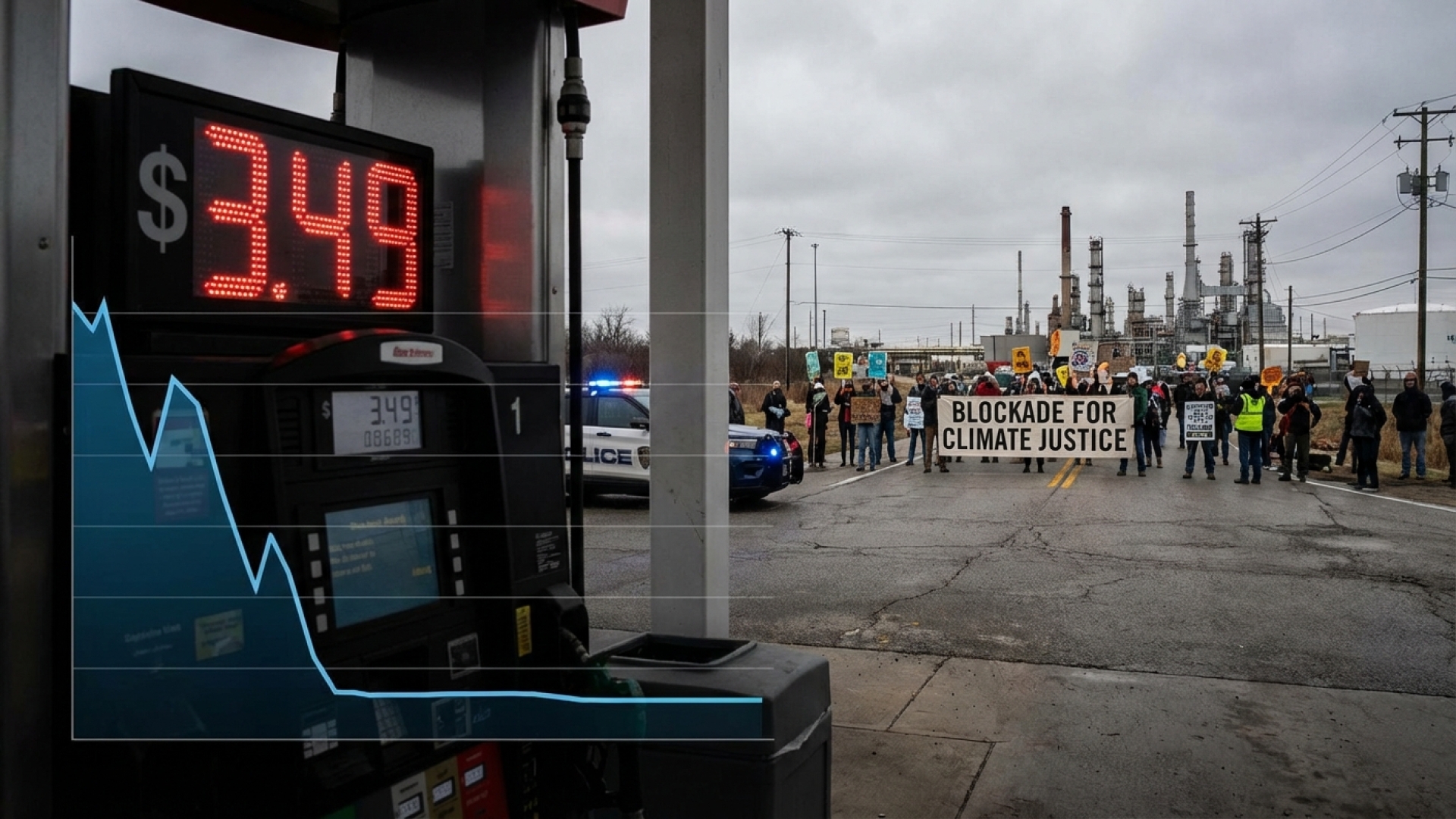
While the national average for a gallon of regular gasoline saw a marginal decline over the past weekend, motorists across Western New York continue to face significant pressure at the pump. As of Monday, prices held steady despite escalating geopolitical tensions that threaten to disrupt global energy markets, particularly regarding a potential blockade of a primary oil trade route.
Regional and National Price Trends
The national average for regular fuel stood at $4.125 per gallon this Monday, according to AAA data. While this reflects a 3-cent drop from Friday’s $4.153, the relief is relative. For drivers in the Buffalo-Niagara Falls metropolitan area, prices often track higher than the national mean due to state-specific taxes and regional logistics. Current costs remain nearly a dollar higher than this time last year, presenting a persistent challenge for household budgets across the Lake Erie region.
| Region/State | Average Price (Regular) | Trend (Weekly) |
|---|---|---|
| National Average | $4.125 | Slight Decrease |
| New York State | $4.310 | Stable |
| California (High) | $5.900 | Volatile |
| Oklahoma (Low) | $3.443 | Stable |
Geopolitical Volatility and the Strait of Hormuz
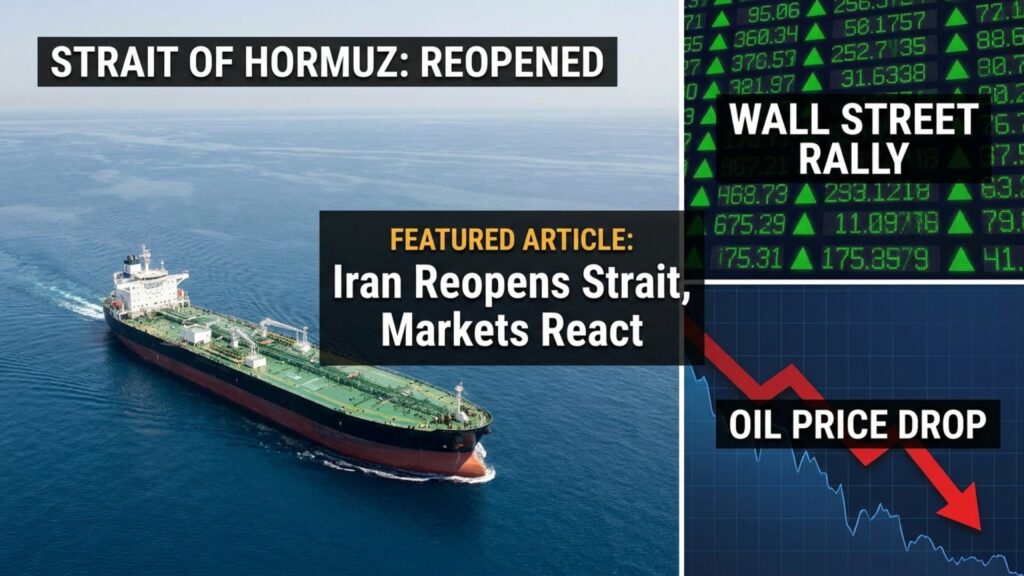
The recent dip in prices followed a brief window of stability after a ceasefire agreement involving Iran. This initially eased concerns over the Strait of Hormuz, a narrow waterway essential for the transport of approximately 20 percent of the world’s crude oil. However, fresh uncertainty has surfaced as the U.S. Central Command monitors potential blockades in the region. As an investigative reporter covering regional dynamics, I’ve noted that such global disruptions have a “trickle-down” effect that hits Western New York’s manufacturing and transportation sectors with particular force.
Factors Influencing Local Price Disparities
Residents of Buffalo often notice price fluctuations between neighboring municipalities. These disparities are driven by a complex mix of state and local taxes, transport distances from refineries, and the competitive landscape of local retailers. In New York, the combination of environmental fees and state fuel taxes contributes to a higher baseline compared to neighboring states like Pennsylvania or Ohio. Furthermore, standalone stations often price fuel aggressively to drive foot traffic for high-margin convenience items, a common sight along the I-190 and I-90 corridors.
Diesel Prices and the Supply Chain Impact
Diesel fuel, the lifeblood of the Western New York logistics hub, also saw a minor reduction, settling at $5.652 per gallon on Monday. Despite this 3-cent weekend decrease, diesel remains near historic highs. This sustained cost elevation places immense pressure on the trucking industry and local delivery services, ultimately contributing to inflationary pressures on consumer goods found in local grocery stores.
The Broader Economic Context
The current energy climate is largely a byproduct of heightened military conflicts in the Middle East, which escalated following strikes in late February. Crude oil has frequently surpassed the $100-per-barrel threshold, directly impacting the production costs of gasoline and jet fuel. While the record high for regular gas was set in June 2022 at just over $5.00 per gallon, the current trajectory suggests that energy remains a primary driver of economic anxiety for the Western New York community.
The content provided by Lake Erie Times is for informational purposes only and should not be considered as professional legal or financial advice. Some links on Lake Erie Times are affiliate links. This means that if you make a purchase through these links, we may earn a commission at no additional cost to you.