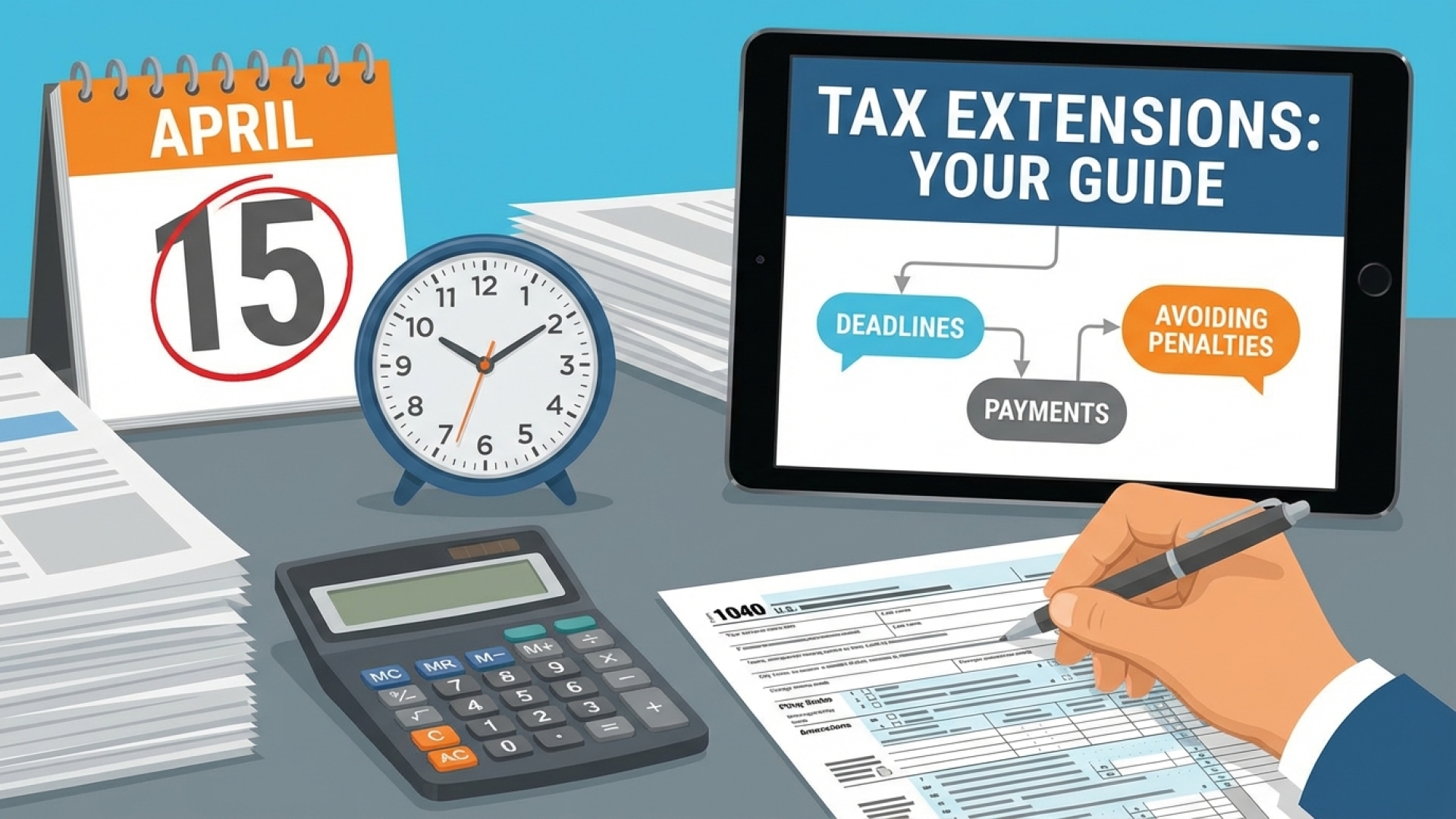
As the April 15 tax filing deadline looms, many residents across Buffalo and the greater Western New York region are finding themselves racing against the clock. While the Internal Revenue Service offers a reprieve through filing extensions, taxpayers must navigate the process carefully to avoid costly interest and penalties.
Every year, more than ten million Americans request additional time to submit their returns. However, there is a common misconception that an extension to file is also an extension to pay. For those in the Lake Erie region looking to buy more time, here is an analytical breakdown of what you need to know before the midnight deadline.
When and How to File for an Extension
To secure more time, you must submit your request before midnight on April 15th. The process is straightforward and can be completed for free online through the IRS.gov portal. Once approved, you are granted a six-month window, pushing your final filing deadline to October 15.
The Critical Distinction: Filing vs. Paying
While an extension gives you more time to organize your paperwork, it does not pause your financial obligations. If you anticipate owing the federal government, you are expected to pay at least a portion of that estimated tax by the April deadline.
“If you haven’t done all the math, try to figure out what you might owe and at least pay something,” notes Herb Weisbaum of Checkbook.org. “The interest clock starts day one. Anything you haven’t paid is charged interest starting April 16.”
Understanding Tax Penalties
Failure to act can lead to a significant accumulation of debt. The IRS distinguishes between the failure to file and the failure to pay, with the former often carrying much heavier financial consequences. To help Western New York taxpayers understand the stakes, we have outlined the penalty structure below:
| Violation Type | Penalty Rate | Maximum Penalty |
|---|---|---|
| Failure to File | 5% of the tax due for each month or partial month the return is late. | 25% of the total unpaid tax. |
| Failure to Pay | 0.5% of the unpaid tax for each month or partial month it remains unpaid. | 25% of the total unpaid tax. |
| Combined (Failure to File & Pay) | A combined monthly rate (the 5% failure to file penalty is reduced by the failure to pay penalty). | Up to 47.5% of the tax due. |
For a deeper dive into specific collection procedures, taxpayers can review the official IRS procedural FAQ.
Options for Those Who Cannot Pay in Full
If financial constraints prevent you from paying your full tax bill immediately, the IRS does provide alternative pathways. Short-term and long-term payment plans are available to help bridge the gap. While short-term plans typically avoid setup fees, long-term installment agreements may incur costs depending on the specific arrangement and your income level. You can explore these options via the IRS Online Payment Agreement application.
For more updates on local issues and community news, stay tuned to the Lake Erie Times community section.
About the Author: William Strasmore is a dedicated news reporter in Western New York who delivers in-depth, impartial coverage and incisive analyses on local issues. With an extensive background in investigative journalism, William focuses on thorough reporting of community affairs and regional events for the Lake Erie Times.
Disclaimer: The content provided by Lake Erie Times is for informational purposes only and should not be considered as professional legal or financial advice. Some links on Lake Erie Times are affiliate links. This means that if you make a purchase through these links, we may earn a commission at no additional cost to you.