The Elder Parole Bill seeks to fundamentally shift how New York handles aging incarcerated populations. At its core, the legislation provides a pathway for older individuals to demonstrate their rehabilitation before the state’s parole board, potentially reducing the burden on taxpayers and addressing the demographic shift within state facilities.
Understanding the Proposed Criteria
The legislation sets specific benchmarks for eligibility, focusing on age and time served rather than the nature of the original offense. This shift represents a significant departure from current sentencing structures that often leave little room for mid-sentence review for those serving long-term or life sentences.
| Requirement | Details |
|---|---|
| Minimum Age | 55 Years Old |
| Time Served | 15 Consecutive Years |
| Process | Mandatory Parole Board Interview within 60 days of eligibility |
| Reconsideration | Follow-up interview within 24 months if parole is denied |
The Case for Rehabilitation and Reform
Advocates for the bill, including community organizers throughout the Buffalo region, argue that the current system fails to account for the capacity of individuals to change over decades of incarceration. They emphasize that the bill does not mandate an automatic release, but rather offers the opportunity for a parole board interview.
Tracie Adams, a community organizer with Release Aging People in Prison, suggests that the “tough on crime” era has left many reformed individuals behind bars long after they cease to be a threat. “People deserve a second chance,” Adams stated, noting that many incarcerated people in New York engage in rigorous self-improvement through higher education, vocational training, and counseling. For these advocates, the bill is a humane response to an aging prison population that has already paid a substantial debt to society.
Stay updated on this and other regional developments at our Local News and Politics sections.
Public Safety and Opposition
The proposal has met stiff resistance from several law enforcement officials and former prosecutors. John Flynn, a prominent figure in the New York legal community and former Erie County District Attorney, has raised significant concerns regarding public safety. Critics argue that the bill could lead to the premature release of those convicted of the most serious violent crimes, such as murder and armed robbery.
Opponents contend that sentencing is a pact made with the community and the victims of crime. They worry that increasing the frequency of parole eligibility undermines the finality of judicial rulings and may place a strain on the New York State Board of Parole, which has already been scrutinized for increased leniency in recent years. The central argument for the opposition remains that violent offenders should serve the full duration of their court-mandated sentences to ensure justice and community protection.
The Demographic Reality of New York Prisons
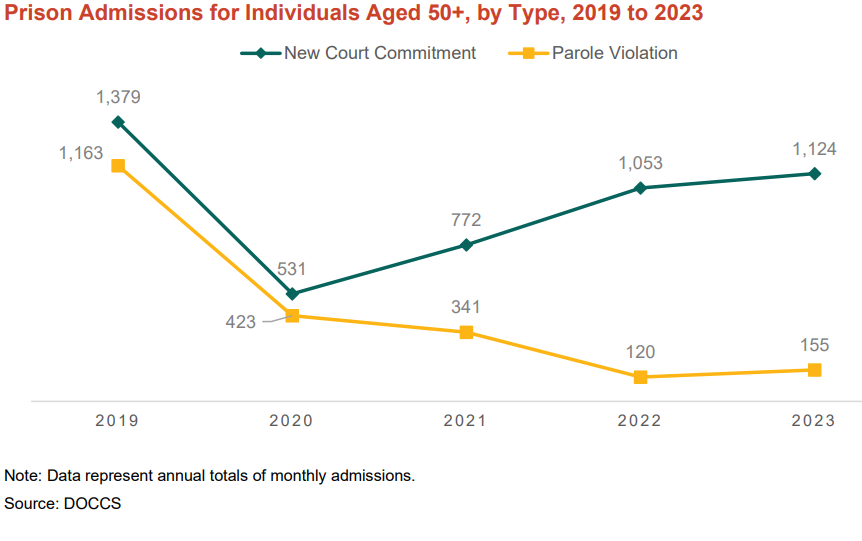
The debate is occurring against a backdrop of shifting prison demographics. According to a report from State Comptroller Thomas P. DiNapoli, New York has seen a 48% decline in its total prison population since 2008. However, while the total number of inmates has dropped, the average age of inmates continues to rise.
This “graying” of the prison system presents unique challenges, including skyrocketing healthcare costs for the state. Policymakers in Albany must now decide if the Elder Parole Bill is the correct mechanism to address these fiscal and social pressures or if it poses too great a risk to the safety of New York residents.
For more in-depth analysis on how state legislation affects our community, visit the Opinion and Community pages of the Lake Erie Times.