By William Strasmore
Lake Erie Times Investigative Reporter
On Tuesday, residents across the Northeast, including many right here in the Buffalo and Western New York region, witnessed a spectacular fiery trail streaking across the evening sky. The event, likely a meteor blazing through the Earth’s atmosphere, has sparked significant local interest and a central scientific question: Did this impressive object survive its descent to become a rare meteorite, or did it simply vanish into dust?
Defining the Journey: Meteoroids, Meteors, and Meteorites
To understand the journey of these extraterrestrial objects, we must distinguish them based on their location and state. While often used interchangeably in casual conversation, these terms represent specific stages of a space rock’s interaction with our planet.
| Term | Location / Status | Common Description |
|---|---|---|
| Meteoroid | Outer Space | Small rocky or metallic fragments orbiting the sun. |
| Meteor | Earth’s Atmosphere | A “shooting star” created by friction and heat upon entry. |
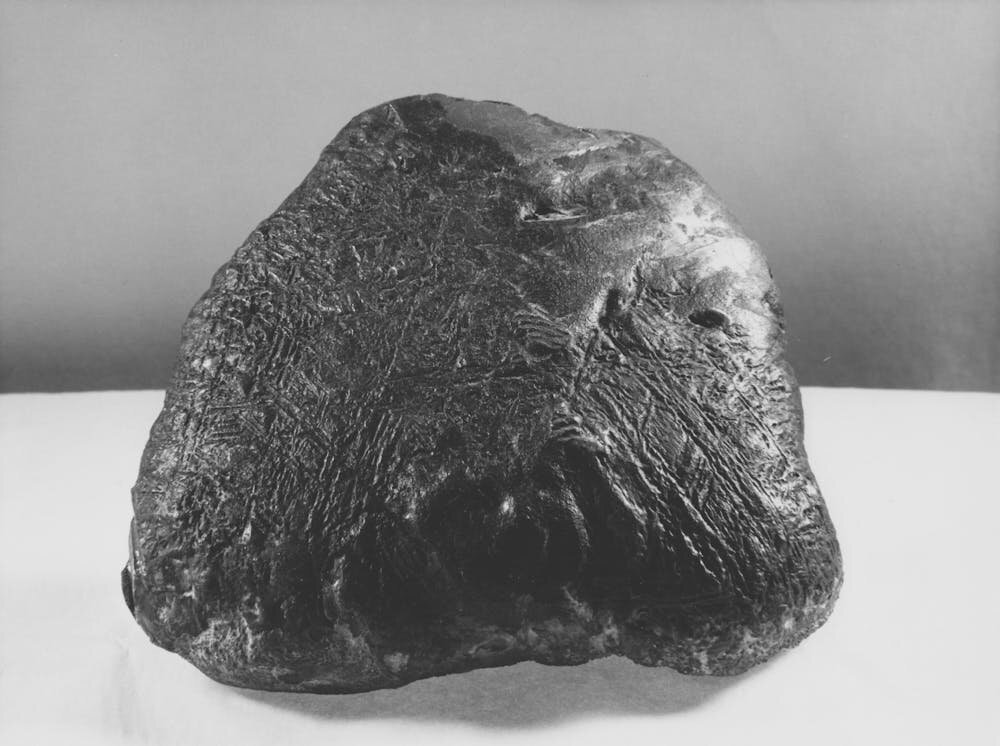
| Meteorite | Earth’s Surface | The remains of a meteor that survives the fall and impacts the ground. |
What we commonly refer to as a “shooting star” is actually a meteor breaking up and vaporizing. When a cluster of these objects passes through the atmosphere simultaneously, it results in a meteor shower. Only when an object endures the intense atmospheric entry and impacts the ground does it earn the designation of a meteorite.
Atmospheric Survival and the Rarity of Impact
The transition from meteor to meteorite is incredibly rare. The immense heat and friction generated during atmospheric entry cause approximately 90-95% of meteors to vaporize entirely before reaching the surface. These objects typically dissolve into a brilliant, fiery trail and leave nothing behind but microscopic dust.
Even for the small percentage that survive, the odds of discovery are slim. With the vast majority of Earth’s surface covered by deep oceans and uninhabited wilderness, most impacts go unnoticed and unrecovered. Researchers at Clemson University emphasize that while space rocks enter our atmosphere daily, finding a tangible fragment is a significant scientific event.
Recent Activity and Scientific Analysis in the U.S.
According to NASA tracking data, if Tuesday’s sighting results in a confirmed impact, it would mark the first such strike in the United States for 2025. It is important for residents to distinguish between natural meteorites and human-made space debris. For instance, while debris from a Chinese rocket landed in the U.S. in January, it is categorized as orbital debris rather than a meteorite.
The last confirmed U.S. meteorite activity occurred on November 6th. That meteor followed a “steeply inclined” vertical trajectory, dropping fragments across northwestern Alabama. To date, NASA has tracked seven significant meteors across the U.S. in 2025, with at least three producing confirmed meteorites.
Scientific recovery efforts have proven fruitful in other regions. In July 2025, researchers located fragments from a “fireball” event in Georgia. This Georgia fireball entered the atmosphere at supersonic speeds before slowing and impacting a home in McDonough. Planetary geologist R. Scott Harris conducted a detailed scientific analysis of these fragments using an electron microprobe to determine their chemical composition.
Such analyses provide crucial insights into the origin and age of parent asteroids. As Harris noted during his investigation, the dynamics of the object’s path through the structure are “as fascinating a story as is the material itself.” For now, WNY residents can appreciate the rare celestial show, while scientists continue to monitor for any potential landing sites in the Northeast.
About the Author: William Strasmore is a dedicated news reporter for the Lake Erie Times, delivering in-depth, impartial coverage and incisive analyses on local issues affecting Western New York.
Editorial Note: Lake Erie Times is your comprehensive source for the latest local news, politics, and community events in Buffalo and the broader Western New York region.
Disclaimer: The content provided by Lake Erie Times is for informational purposes only and should not be considered as professional legal or financial advice. Some links on Lake Erie Times are affiliate links. This means that if you make a purchase through these links, we may earn a commission at no additional cost to you.