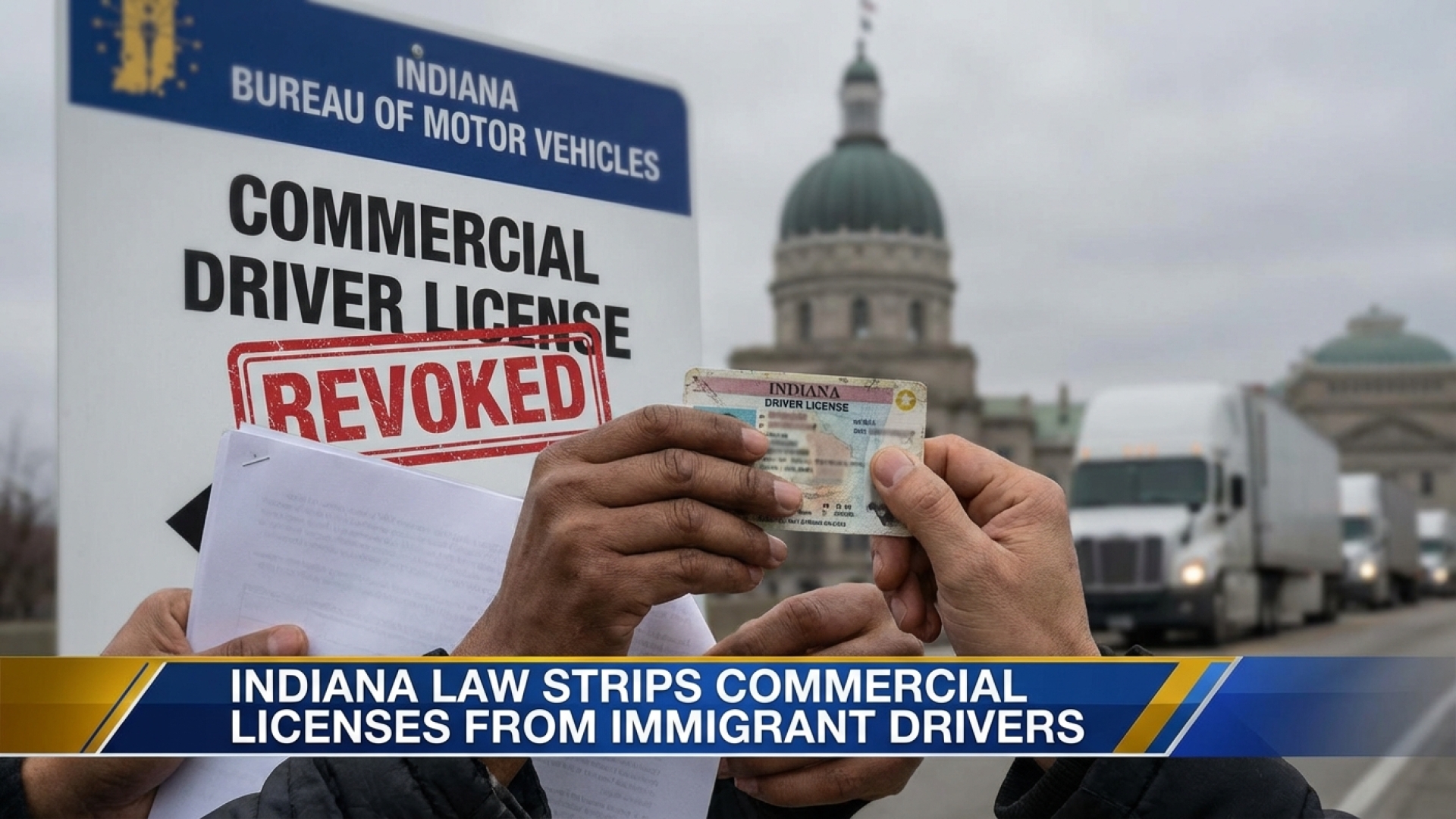
Following a nationwide sweep by federal regulators, nearly 2,000 commercial driver’s licenses (CDLs) held by immigrants in Indiana have been revoked, marking a significant shift in licensing standards that could have ripple effects across interstate commerce hubs like Western New York. The measure, which officially took effect on April 1, 2024, saw the Indiana Bureau of Motor Vehicles (BMV) cancel “nearly all” non-domiciled commercial licenses previously issued to foreign nationals.
Governor Mike Braun signed the legislation into law in mid-March, fast-tracking its implementation to address what state officials describe as urgent public safety concerns. While Indiana statutes typically take effect on July 1, this bill was enacted just three weeks after receiving the Governor’s signature, highlighting the perceived urgency of the matter.
Stricter Standards for Highway Safety
The legislative push was led by State Rep. Jim Pressel (R-District 20), who maintains that rigorous licensing requirements are fundamental to ensuring the safety of all motorists. Pressel emphasized that the law serves as a first step in establishing higher standards for both local and transient drivers operating heavy machinery on public roads.
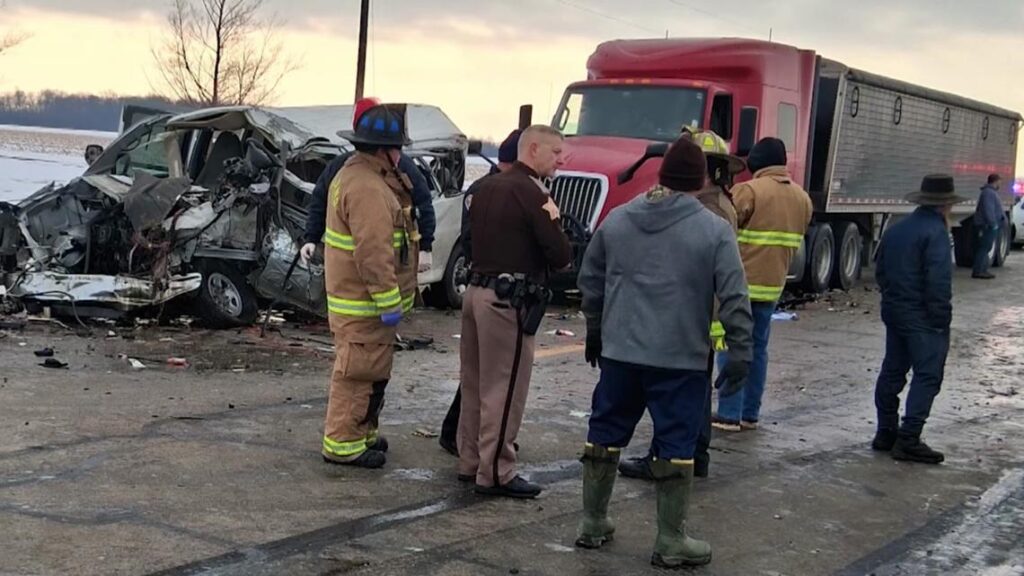
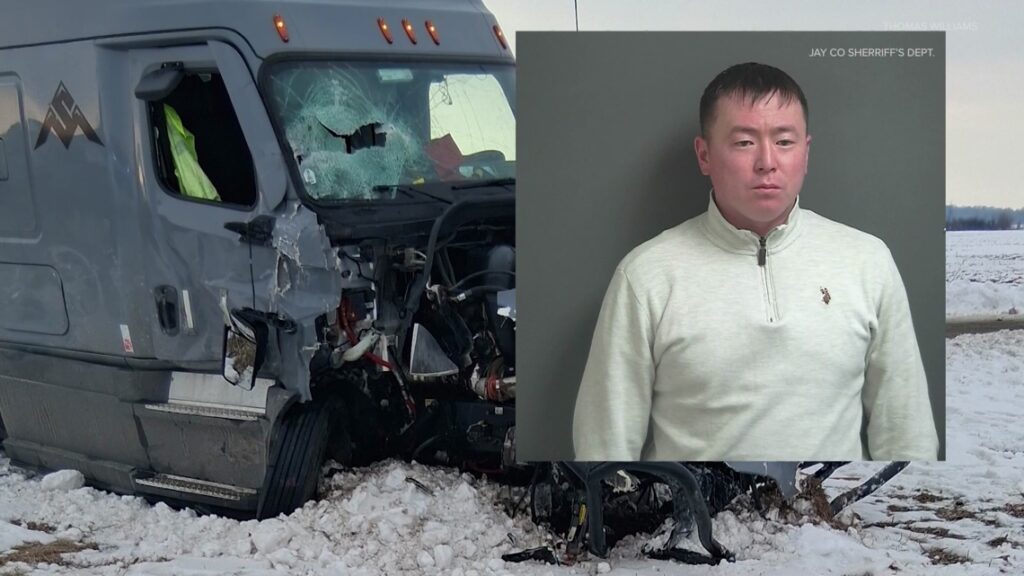
The policy shift follows several high-profile traffic fatalities involving foreign national drivers. Notably, a February collision in Jay County involving a semi-truck resulted in the deaths of four members of a local Amish community, fueling the debate over driver qualifications and oversight.
Revised Eligibility and Restricted Visas
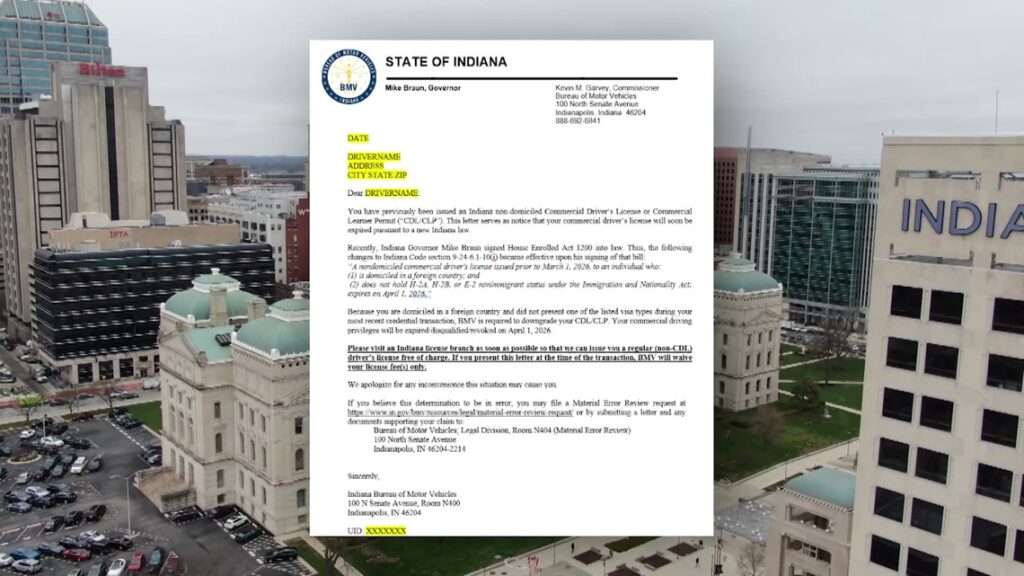
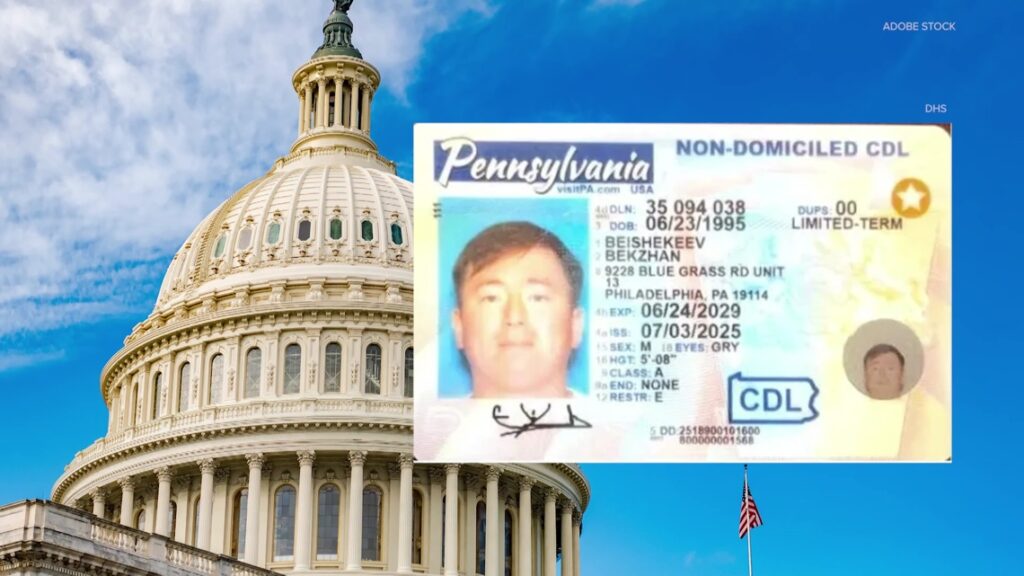
A non-domiciled CDL is a specialized license issued to individuals who are not permanent residents of the United States. Under the newly enacted restrictions, eligibility in Indiana is now strictly confined to immigrants holding specific temporary work visas. This change effectively bars many who were previously permitted to operate commercial vehicles.
| Visa Category | Authorized Worker Type |
|---|---|
| H-2A | Temporary agricultural workers |
| H-2B | Temporary non-agricultural workers |
| E-2 | Treaty investors and essential employees |
The Indiana BMV noted that while the revocations affected approximately 2,000 individuals, this group represents less than 2% of the state’s total commercial driver population. It is important to note that standard CDLs held by U.S. citizens and lawful permanent residents (green card holders) remain unaffected by these changes.
Federal Scrutiny and Implications for New York
While the Indiana law is a state-level initiative, it aligns with broader federal directives. The Federal Motor Carrier Safety Administration (FMCSA) recently alerted 24 states—including New York—that they had been incorrectly issuing non-domiciled CDLs. This federal oversight suggests that Western New York drivers and logistics companies could soon face similar scrutiny as the Empire State evaluates its own licensing protocols.
Beyond visa restrictions, the Indiana law mandates an English-only requirement for driving tests and implements severe penalties for non-compliance. Drivers utilizing fraudulent credentials face Level 6 felony charges and a $5,000 fine, while employers found hiring ineligible drivers can be sanctioned with fines up to $50,000.
Industry Response and Labor Concerns
The Indiana Motor Truck Association has signaled its support, arguing that historical gaps in oversight allowed inadequately trained drivers onto the highways. Association President Gary Langston characterized the legislation as a necessary measure to purge unsafe operators from the industry.
Conversely, legal experts and immigration advocates argue the law is overreaching and detrimental to the workforce. Immigration attorney Sarah Burrow pointed out that the revocation impacts legal residents—including refugees and DACA recipients—who have spent years safely transporting essential cargo across the country.

As state agencies across the Great Lakes region and the broader U.S. re-examine their licensing frameworks to meet federal guidelines, Indiana’s aggressive stance serves as a blueprint for potential changes in New York’s commercial transportation sector.
Lake Erie Times is your comprehensive source for the latest news and insights from Buffalo and the Western New York region. Our mission is to provide accurate, in-depth coverage to foster informed community dialogue.
Disclaimer: The content provided by Lake Erie Times is for informational purposes only and should not be considered professional legal or financial advice.
Affiliate Disclaimer: Some links on Lake Erie Times are affiliate links. If you make a purchase through these links, we may earn a commission at no additional cost to you, supporting our commitment to quality journalism.