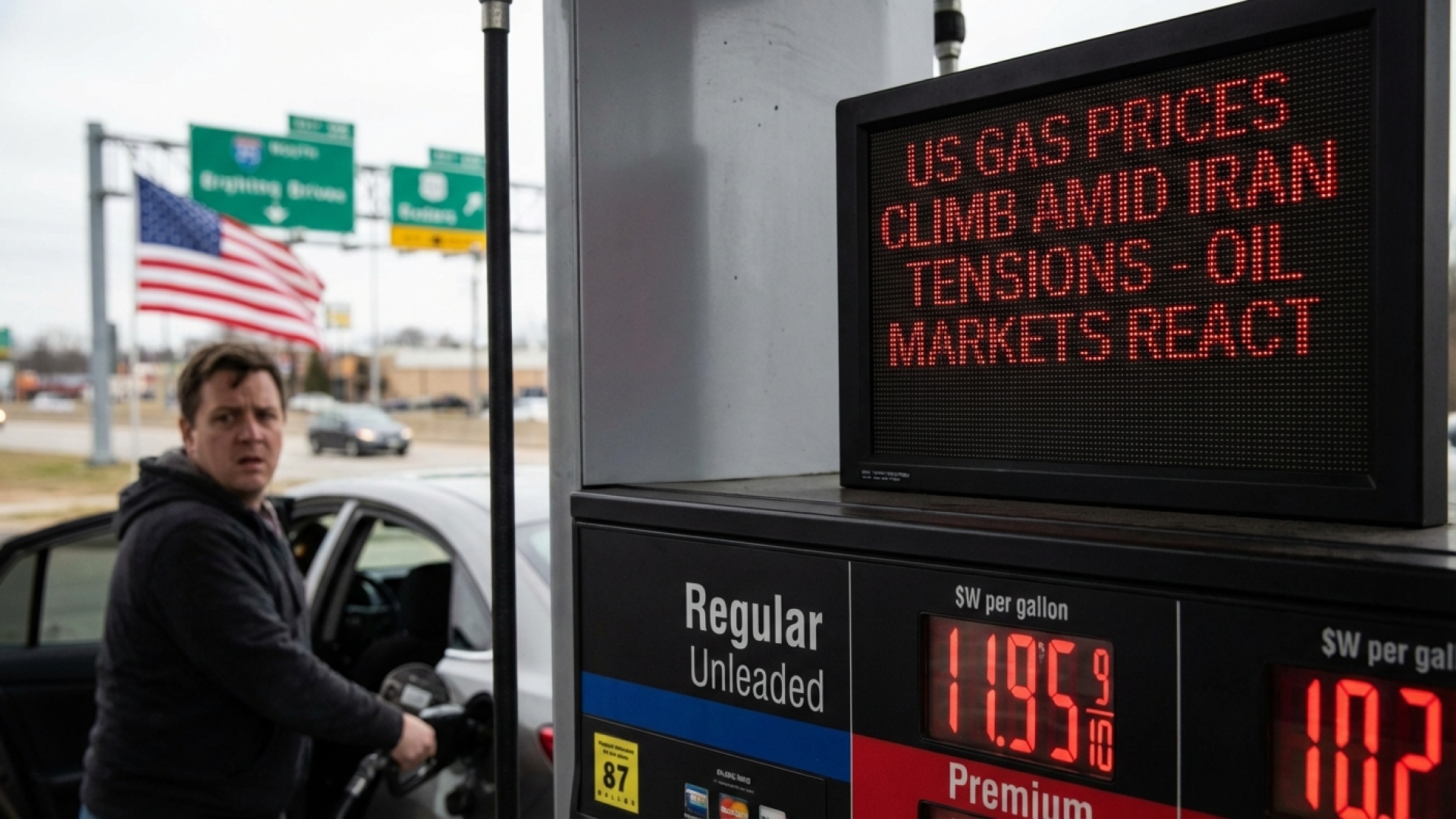
Western New York drivers are facing a sharp reality check at the pump this week as gas prices across the region and the nation continue a steep upward trajectory. Following a massive spike on Thursday, the national average for a gallon of gasoline climbed again on Friday, leaving consumers in Buffalo and beyond grappling with the highest costs seen in years.
As of Friday, the national average reached $4.091 per gallon, a jump from Thursday’s $4.081 and a staggering increase from the $3.942 recorded just 48 hours prior. This surge marks the first time average fuel costs have topped the $4 threshold since 2022. For local residents accustomed to prices under $3 just a month ago, the rapid inflation of transportation costs is putting a significant strain on household budgets.
The price hike is a nationwide phenomenon, with every state now reporting averages above $3.27. While Western New York remains below the extreme $5.89 averages seen in states like California and Washington, the local impact is amplified by elevated diesel prices. This secondary spike is expected to ripple through the regional supply chain, affecting everything from grocery deliveries to local business operations.
Geopolitical Tensions and the Strait of Hormuz
The primary catalyst for this volatility is the escalating military conflict in the Middle East. Following recent strikes on February 28, geopolitical instability has compromised vital global oil sourcing routes. Of particular concern is the Strait of Hormuz, a maritime chokepoint responsible for approximately 20 percent of the world’s oil supply. Current closures in the strait have sent crude oil prices surging past $100 per barrel.
In response to the crisis, the White House has urged patience. Press secretary Karoline Leavitt noted that the current disruptions are viewed as short-term. “When Operation Epic Fury is complete, gas prices will plummet back to the multi-year lows American drivers enjoyed,” Leavitt stated, emphasizing a commitment to American energy dominance to lower long-term costs.
Regional Impact: Seasonal Shifts and Supply Chains
Beyond international politics, Western New York drivers are also contending with seasonal market shifts. The transition to summer blend fuel—which is more expensive to refine—coincides with increased demand as spring break travel approaches. This “perfect storm” of high demand and restricted supply suggests that relief at Buffalo area pumps may not be immediate.
| Fuel Type | Current National Average | Previous Week Average | Price Trend |
|---|---|---|---|
| Regular Gasoline | $4.091 | $3.942 | Increasing |
| Diesel | Elevated | Moderate | Stable High |
| Crude Oil (Per Barrel) | $100+ | $85 – $90 | Volatile |
Federal Intervention and Future Outlook
To mitigate the impact on the community, the International Energy Agency (IEA) has pledged to release 400 million barrels of oil from emergency stockpiles. Additionally, the administration has implemented a 60-day waiver of the Jones Act, a century-old maritime law, to expedite the domestic shipping of fuel.
While these measures aim to stabilize the market, the lag time in the refining process means consumers may still see high prices for several weeks. Refineries are currently processing crude purchased at peak prices, and the logistical challenges of reopening trade routes remain. As an investigative reporter for the Lake Erie Times, I will continue to monitor how these national energy policies directly affect the cost of living and lifestyle in Western New York.
For more local insights and in-depth reporting on the issues that matter to Buffalo, stay connected with Lake Erie Times. William Strasmore covers regional dynamics and community affairs with a commitment to transparency and integrity.