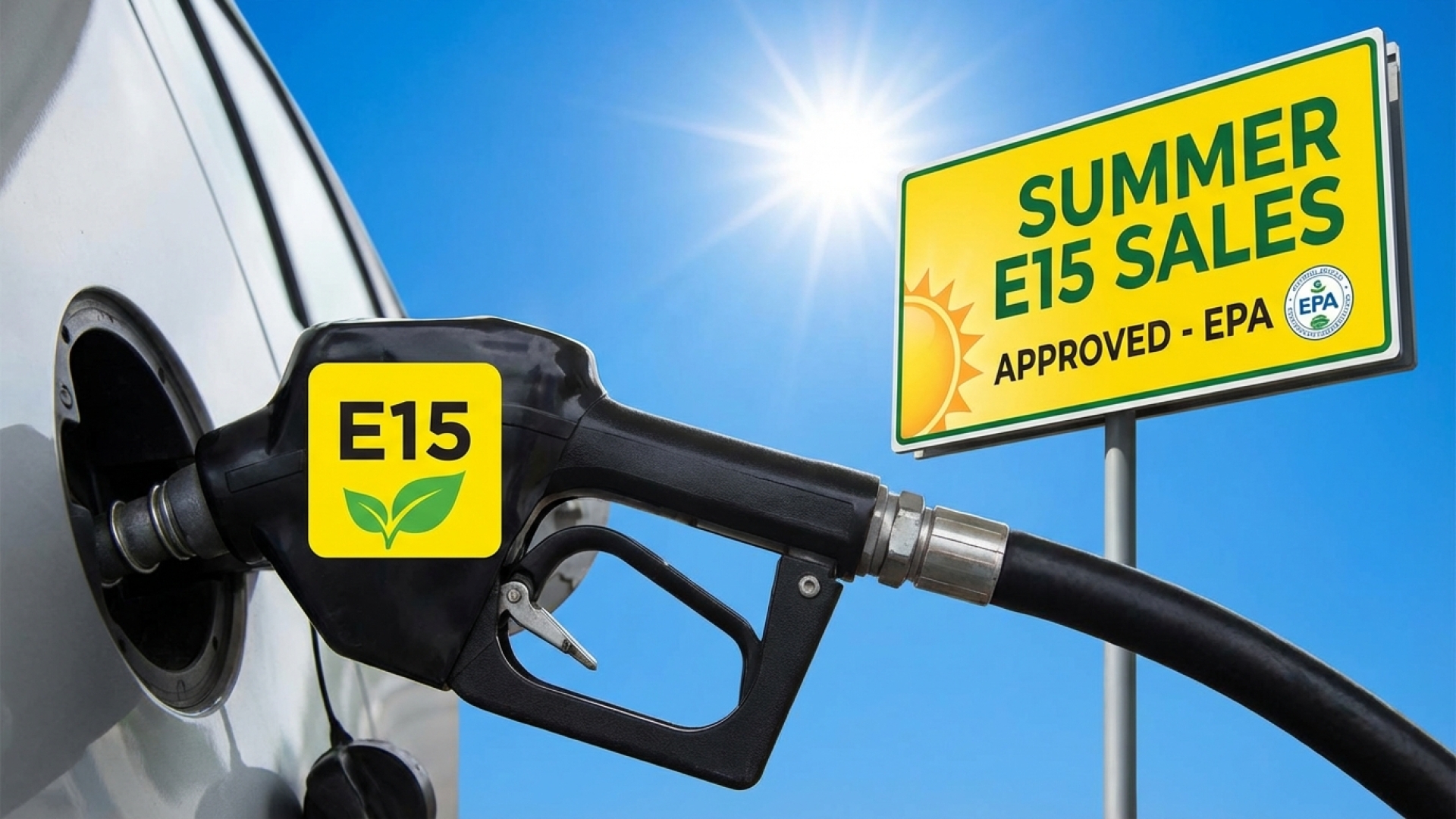
The Environmental Protection Agency (EPA) has officially authorized the nationwide sale of E15 gasoline throughout the upcoming summer months. This regulatory move is designed to bolster the national fuel supply and provide cost relief for motorists as the peak driving season approaches—a period when gas prices typically surge across Western New York and the rest of the country.
Emergency Fuel Waiver Issued
EPA Administrator Lee Zeldin issued a temporary emergency fuel waiver that permits the continued sale of E15—a blend containing 15% ethanol—effectively lifting federal restrictions that usually limit its availability during the warmer months. This action, set to begin on May 1, ensures that the lower-cost fuel remains accessible at the pump.
For families in Buffalo and the surrounding Erie County area, where commuting costs significantly impact household budgets, this waiver provides more flexibility. Currently, E15 is available at over 3,000 stations nationwide and is often priced several cents lower per gallon than the standard E10 (10% ethanol) blend. EPA officials emphasized that the decision aims to prevent fuel shortages and mitigate the volatility of the global oil market.
“The EPA is collaborating with federal partners to reduce unnecessary costs and uncertainties, ensuring that gas prices remain affordable for all Americans,” Zeldin stated. He noted that the emergency action is a direct effort to expand consumer choice during a high-demand period.
The Clean Air Act and Regulatory Flexibility
Historically, E15 sales are restricted between June 1 and September 1 fifty-five due to concerns regarding fuel volatility and the potential for smog formation in higher temperatures. However, the new waiver temporarily bypasses these Clean Air Act provisions, allowing a consistent fuel standard for gasoline with 9% to 15% ethanol content.
The initial mandate is effective through May 20, the maximum duration allowed for a single waiver under federal law. However, the agency has signaled a willingness to extend the waiver in 20-day increments if market conditions and supply constraints persist into the heat of the summer.
Comparison of Fuel Blends
To help Western New York drivers understand their options at the pump, the following table breaks down the primary differences between common fuel types:
| Fuel Type | Ethanol Content | Vehicle Compatibility | Typical Cost |
|---|---|---|---|
| E10 | 10% | All modern gasoline engines | Standard Market Price |
| E15 | 15% | Model Year 2000 and newer | Lower than E10 |
| E85 | 51% – 83% | Flex Fuel Vehicles (FFV) only | Lowest per gallon |
Economic and Regional Implications
The Lake Erie Times has been monitoring local gas prices, which currently hover near $4.00 per gallon in parts of New York. Agricultural leaders in the region have welcomed the news, as expanded E15 availability typically drives demand for corn-based ethanol, supporting domestic energy production and rural economies.
However, the move is not without its detractors. Some environmental groups have raised concerns regarding the ecological impact of increased ethanol production, specifically touching on water usage and air quality. Conversely, the Renewable Fuels Association maintains that E15 is a cleaner-burning alternative that reduces greenhouse gas emissions compared to pure petroleum.
Is Your Vehicle Ready?
According to the Renewable Fuels Association, E15 is fully approved for use in vehicles manufactured after the year 2000. This covers approximately 96% of the cars, SUVs, and light-duty trucks currently on the road today. Owners of classic cars or small power equipment (like lawnmowers and boats) should continue to use E10 or ethanol-free fuel as recommended by their manufacturers.
As part of our commitment to keeping Western New York informed, the Lake Erie Times will continue to track local fuel availability and price trends throughout the 2024 summer season.