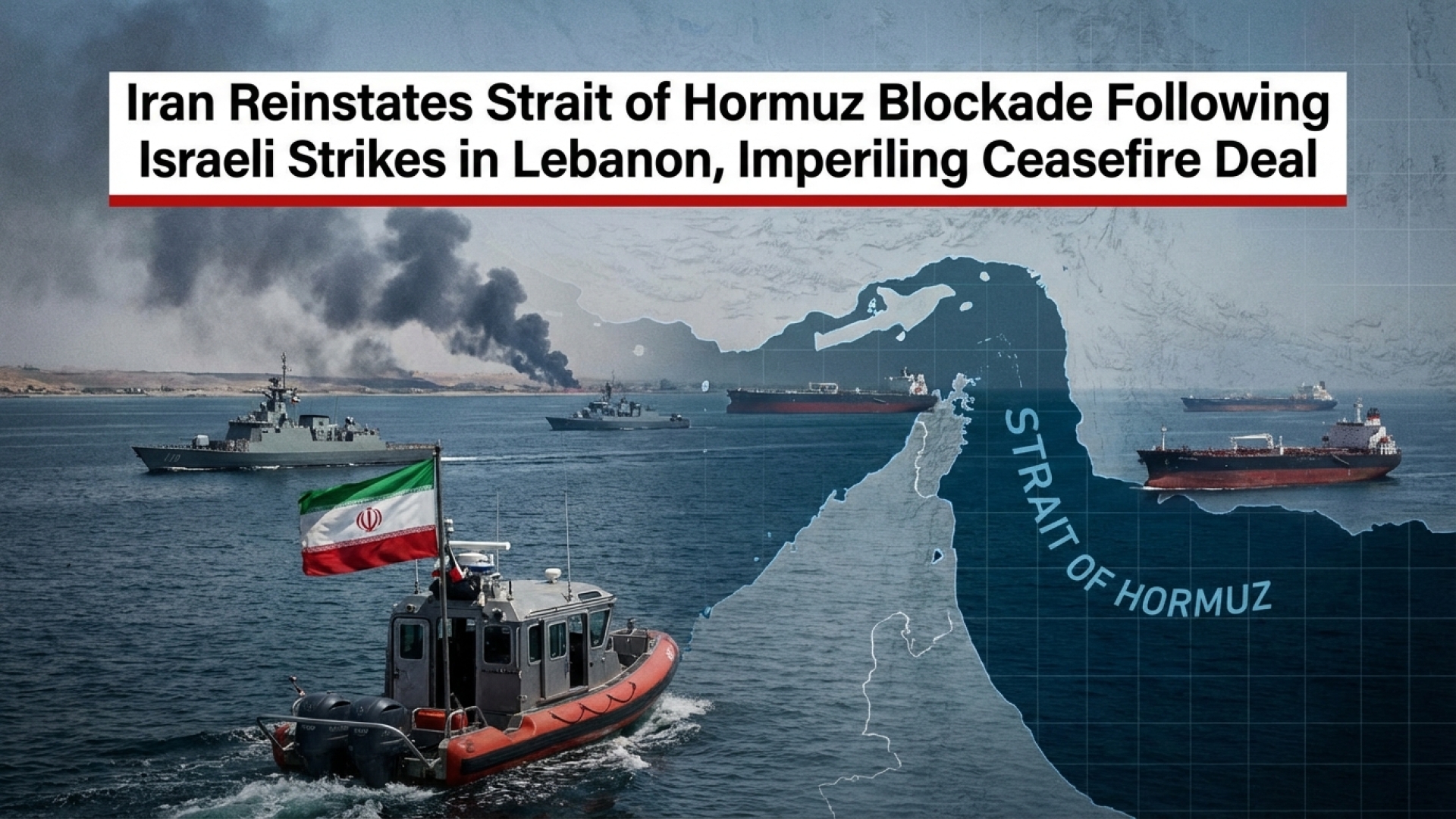
IRAN – In a move that has sent shockwaves through global energy markets and raised concerns for consumers from the Middle East to Western New York, Iran has once again closed the Strait of Hormuz. This closure comes in direct response to recent Israeli military actions in Lebanon, as reported by Iranian state media.
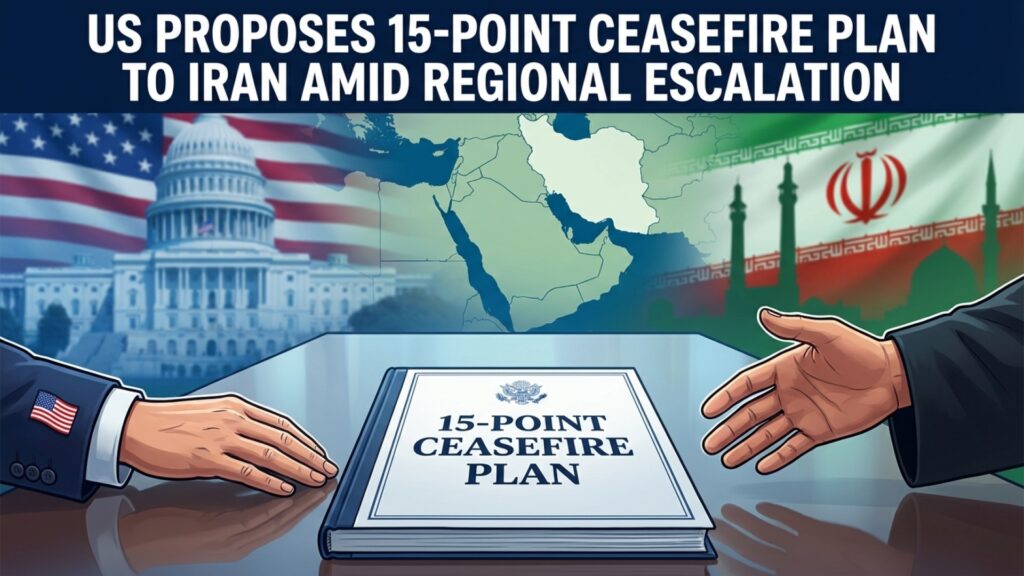
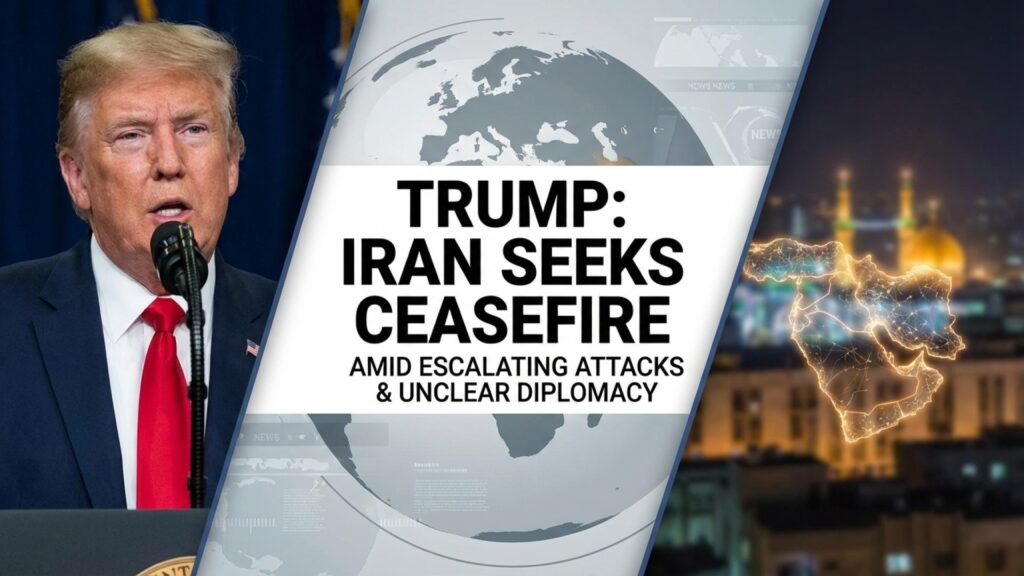
This critical disruption occurred less than 24 hours after Tehran reportedly agreed to a ceasefire deal brokered with the United States. That agreement was intended to stabilize the region and ensure the unhindered flow of global oil. While both nations initially claimed a diplomatic victory following the announcement of a two-week truce, the swift return to hostilities has effectively neutralized a month of intensive negotiations.
Regional Tensions and Official Warnings
Gen. Seyed Majid Mousavi, commander of the Revolutionary Guard’s aerospace division, signaled a hardline stance on social media. “Aggression towards Lebanon is aggression towards Iran,” Mousavi stated, warning of a “heavy response” from Iranian forces. While the specifics of this retaliation remain undisclosed, the closure of the world’s most vital maritime chokepoint serves as a potent opening gambit.
Strategic Importance: A Global Chokepoint
The Strait of Hormuz remains Iran’s most effective lever in international diplomacy. The waterway handles the transit of approximately 20% of all globally traded oil and liquefied natural gas. For residents in the Buffalo-Niagara region, these geopolitical shifts are rarely distant issues; volatility in the Persian Gulf historically correlates with price hikes at local gas stations and increased operating costs for Western New York manufacturers.
| Metric | Impact of Closure |
|---|---|
| Global Oil Transit | 20% of daily global consumption |
| Key Commodities | Petroleum, Natural Gas, Chemicals |
| Price Reaction | Oil prices rebounding toward $90/barrel |
| Regional Stability | Direct threat to Gulf Arab oil fields |
Proposed “Transit Fees” Challenge International Law
Before the ceasefire collapsed, a controversial framework was being discussed that would fundamentally alter maritime law. Under this proposal, Iran and Oman would formalize a system of charging “passage fees” for ships navigating the strait. Iranian officials have suggested these funds would be earmarked for domestic reconstruction efforts.
Such a system would challenge decades of international precedent established under the United Nations Convention on the Law of the Sea, which treats the strait as a free international waterway. This move is expected to face fierce opposition from Gulf Arab states and the international shipping community, who are already grappling with the fallout of previous attacks on regional infrastructure.
Economic Fallout in Western New York
As an investigative reporter covering regional business and economic impacts, I have observed how these global disruptions trickled down to our local economy. Iranian Foreign Minister Abbas Araghchi has clarified that the Iranian military will manage passage through the strait, creating a climate of total uncertainty for commercial vessels.
The immediate market reaction was swift: while oil prices initially plunged toward $90 per barrel on news of the ceasefire, the subsequent closure has reintroduced significant volatility. For Western New York, where logistics and cross-border trade are vital, the ripple effects of sustained $90+ oil could impact everything from heating costs this winter to the price of goods arriving at the Port of Buffalo.
For further updates on how global energy shifts affect the Western New York economy, visit our Local News section.
About the Author: William Strasmore is a dedicated news reporter for Lake Erie Times, delivering in-depth, impartial coverage on local and global issues affecting Western New York. With a background in investigative journalism, William focuses on the intersection of international politics and regional economic stability.
Disclaimer: The content provided by Lake Erie Times is for informational purposes only and should not be considered as professional legal or financial advice. Some links on Lake Erie Times are affiliate links; we may earn a commission at no additional cost to you, based on our commitment to quality journalism.