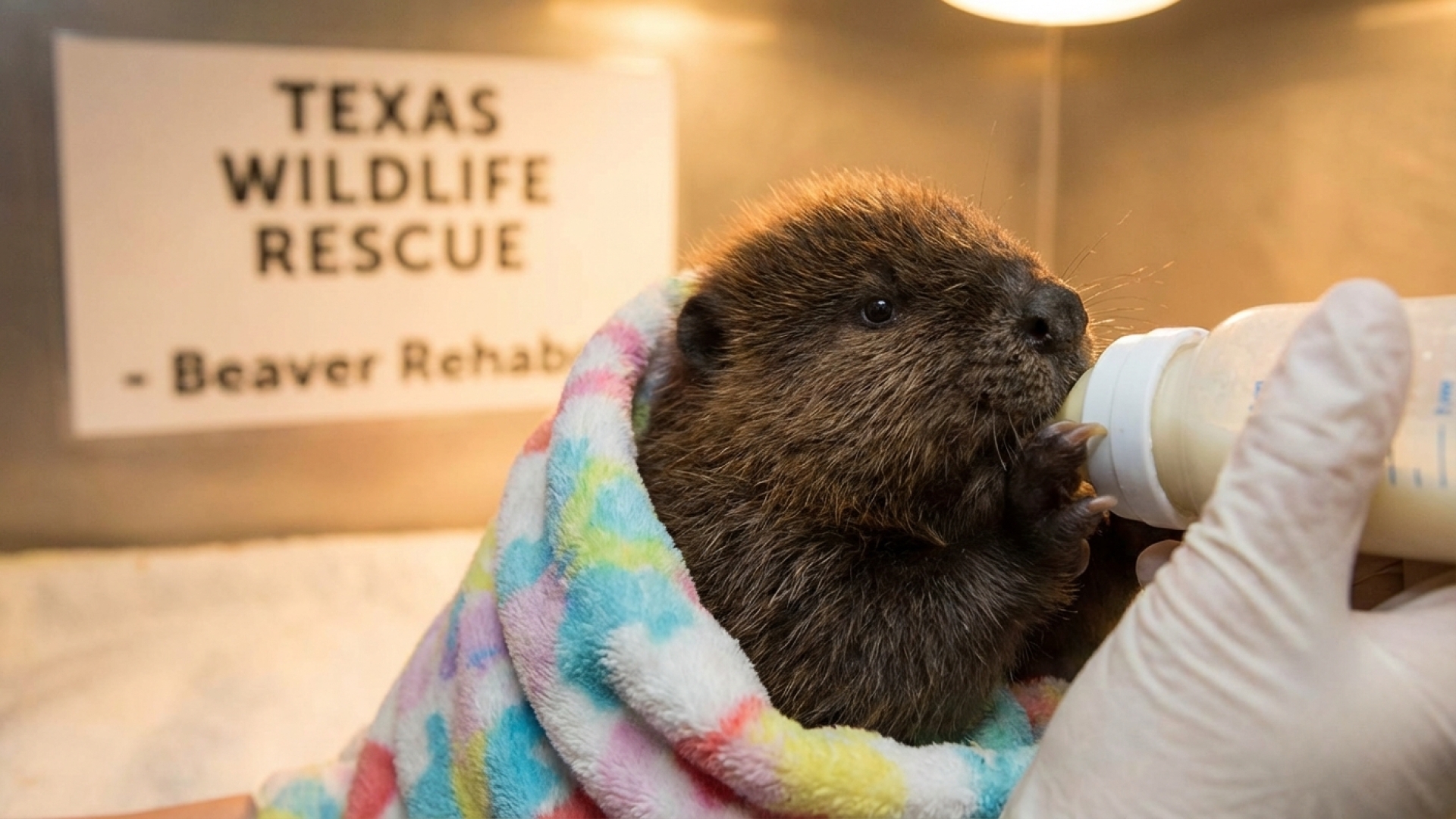
While the industrious beaver is a common sight across the waterways of Western New York, a unique rescue story from the South has captured the attention of wildlife enthusiasts here in the Buffalo region. A tiny, unexpected visitor—a baby beaver kit—was recently discovered wandering alone on a city sidewalk in Austin, Texas, sparking a cross-state rescue mission that highlights the complexities of wildlife rehabilitation.
A Rare Discovery and Immediate Intervention
Austin Animal Services officers first encountered the kit without its mother or siblings in sight. Following an unsuccessful search for its family, the animal was transported to Austin Wildlife Rescue (AWR). For regional reporters like myself, who often cover the ecological health of the Lake Erie watershed, the rarity of seeing such a young kit in an urban environment is a significant detail. The animal arrived in a critical state—weak and dangerously cold—requiring immediate stabilization from the veterinary team.
Experts suggest the kit may have been displaced from its den during recent severe weather. This mirrors challenges we occasionally see in our own local communities after heavy rainfall affects the Buffalo River or Niagara River habitats.
The Challenges of Specialized Care
Rehabilitating a beaver is no simple task. The staff at AWR noted that the kit possessed a “stubborn” personality, initially refusing to eat. Through persistent efforts, the team successfully transitioned the animal to a specialized formula. However, the long-term needs of a beaver are extensive; these social rodents typically require two to three years of rehabilitation before they are ready for release into the wild.
To provide the highest standard of care, it was determined that the kit required a facility with more robust aquatic infrastructure. The following table illustrates the standard developmental milestones that specialists look for during this lengthy rehabilitation process:
| Developmental Stage | Approximate Age | Key Skills Gained |
|---|---|---|
| Kit Phase | 0–6 Months | Suckling, grooming, and initial water buoyancy. |
| Yearling Phase | 1–2 Years | Foraging techniques and social interaction. |
| Sub-Adult Phase | 2–3 Years | Advanced dam construction and territory management. |
Relocation to Specialized Facilities
The kit has since been moved to the Wild West Wildlife Rehabilitation Center in Amarillo, Texas. This facility is equipped with dedicated water features designed to simulate a natural habitat, allowing the kit to learn essential “busy beaver” skills like dam building and complex swimming maneuvers.
In a lighthearted moment before the journey, the rescue team provided the kit with a Buc-ee’s plushie, a nod to the famous Texas-based travel center mascot. While the story is based thousands of miles away, it serves as a reminder to our readers at the Lake Erie Times of the dedication required to preserve North American wildlife.
A Note for Western New York Residents
As we observe the spring season in Western New York, local wildlife activity increases significantly. If you encounter a wild animal that appears to be in distress near our local parks or waterways, please contact a licensed professional. The Lake Erie Times provides this coverage for informational purposes only; for specific wildlife concerns, please consult the New York Department of Environmental Conservation.
For more updates on environmental issues and local stories, visit our lifestyle section. Some stories may contain affiliate links; however, our reporting remains focused on accurate, in-depth community news.