
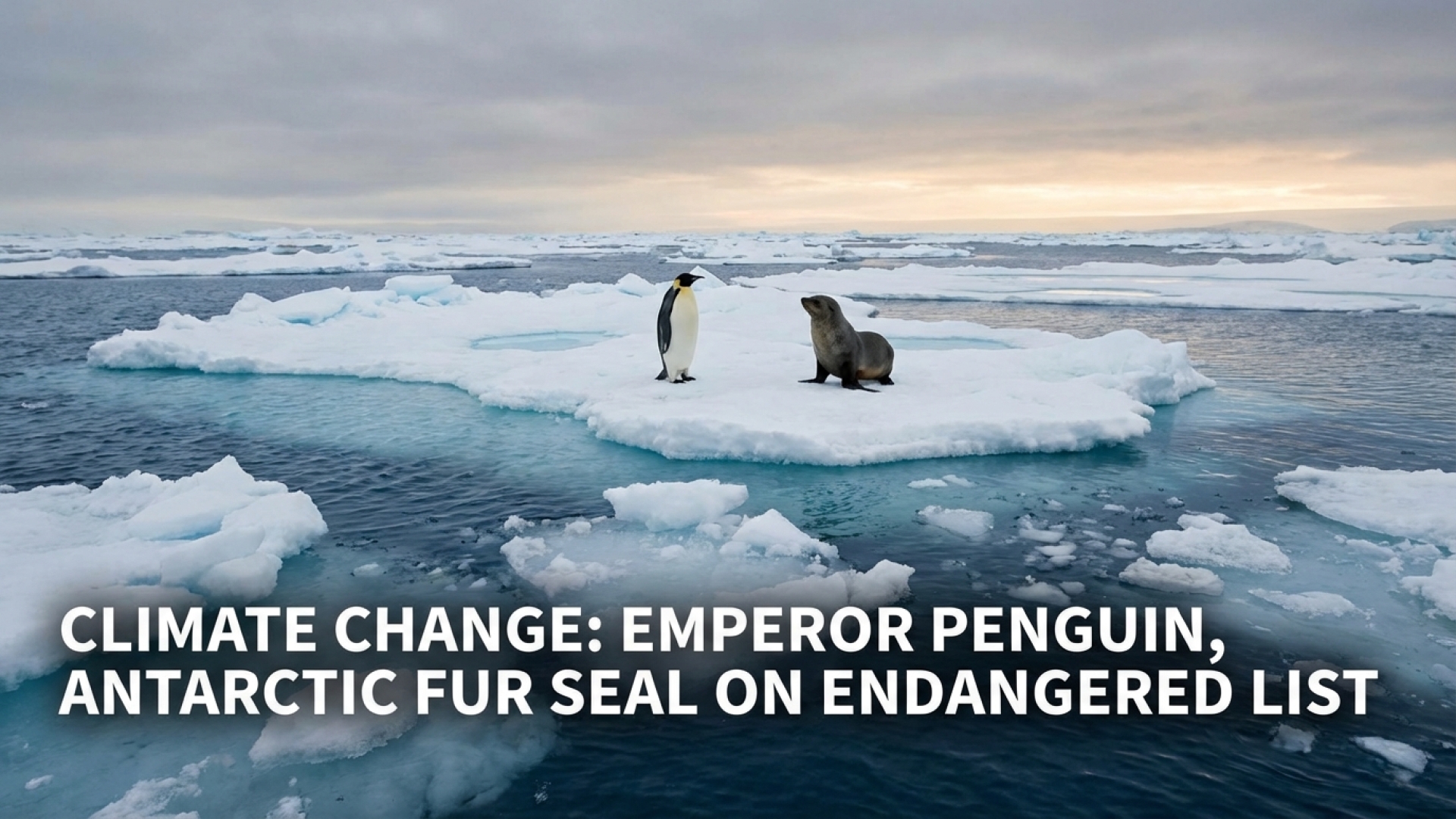
While the shores of Lake Erie may feel worlds away from the frozen expanse of the Southern Ocean, the latest environmental findings from the International Union for Conservation of Nature (IUCN) serve as a stark reminder of the interconnectedness of our global climate. Two of Antarctica’s most recognizable inhabitants—the emperor penguin and the Antarctic fur seal—are now officially facing the threat of extinction.
The IUCN “Red List” Assessment
The IUCN, the global authority on the status of the natural world, recently updated its “Red List” of Threatened Species. The assessment confirms that warming ocean temperatures and the unprecedented loss of sea ice are drastically reducing food availability for polar wildlife. These shifts are no longer theoretical projections; they are actively reshaping the biological landscape of the Antarctic region.
| Species | Previous Status | Current IUCN Status | Primary Driver |
|---|---|---|---|
| Emperor Penguin | Near Threatened | Endangered | Sea Ice Loss / Habitat Decline |
| Antarctic Fur Seal | Least Concern | Endangered | Krill Scarcity / Ocean Warming |
| Southern Elephant Seal | Least Concern | Vulnerable | Avian Influenza (HPAI) |
Emperor Penguins: A Species in Accelerated Decline
The reclassification of the emperor penguin from “Near Threatened” to “Endangered” signals a deepening crisis. Conservative estimates now suggest the population could be cut in half by the 2080s. This follows a decade of documented loss; between 2009 and 2018, the population saw a 10% dip, representing the loss of over 20,000 adult birds.
Martin Harper, CEO of BirdLife International—the organization that coordinated the assessment—notes that these birds are among the most vulnerable on the planet. According to Harper, the move to endangered status serves as a “stark warning” that climate change is accelerating the extinction crisis at a pace that outstrips previous scientific modeling.
Antarctic Fur Seal Populations Plummet
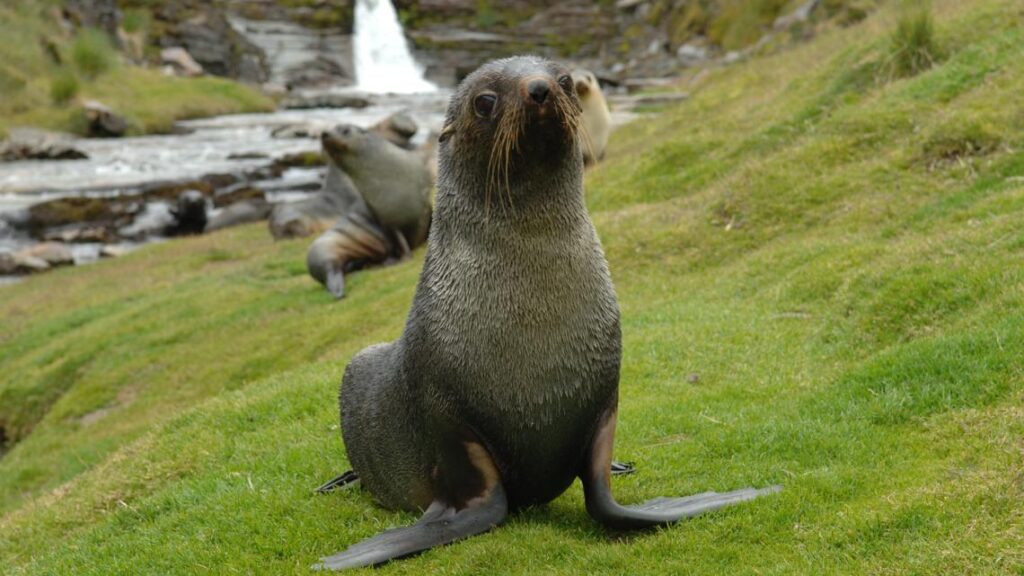
The Antarctic fur seal has experienced an even more dramatic shift, jumping from “Least Concern” directly to “Endangered.” Since 1999, the population has cratered by more than 50%, dropping from over 2 million adults to fewer than 1 million today.
The decline is tied directly to the availability of krill, their primary food source. As ocean temperatures rise and sea ice recedes, krill move to deeper, cooler waters, making them increasingly difficult for seals to hunt. This disruption in the food chain demonstrates how environmental changes in the Southern Ocean have immediate, devastating consequences for apex predators.
Southern Elephant Seals and the Threat of Disease
While climate change is the dominant driver of these population shifts, biological threats are also playing a role. The southern elephant seal is now classified as “Vulnerable” due to the spread of Highly Pathogenic Avian Influenza (HPAI). This disease has ravaged specific colonies, with some reporting a mortality rate of over 90% among pups.
Regional Reporting and Global Action
At the Lake Erie Times, we remain committed to covering stories that impact our understanding of the natural world, from local weather patterns in Buffalo to the global environmental shifts reported by the IUCN. Dr. Kit Kovacs, Co-Chair of the IUCN SSC Pinniped Specialist Group, emphasizes that these findings are an alarm for all ice-dependent species.
For those looking to engage further with global conservation efforts, you can contribute through the Antarctic Wildlife Conservation Fund. Supporting these initiatives is vital to protecting vulnerable habitats and ensuring the survival of these iconic species for future generations.
For more in-depth reporting on environmental issues and community news, visit our Community Section.
Disclaimer: The content provided by Lake Erie Times is for informational purposes only and should not be considered as professional legal or financial advice. Some links may be affiliate links; we may earn a commission at no additional cost to you.