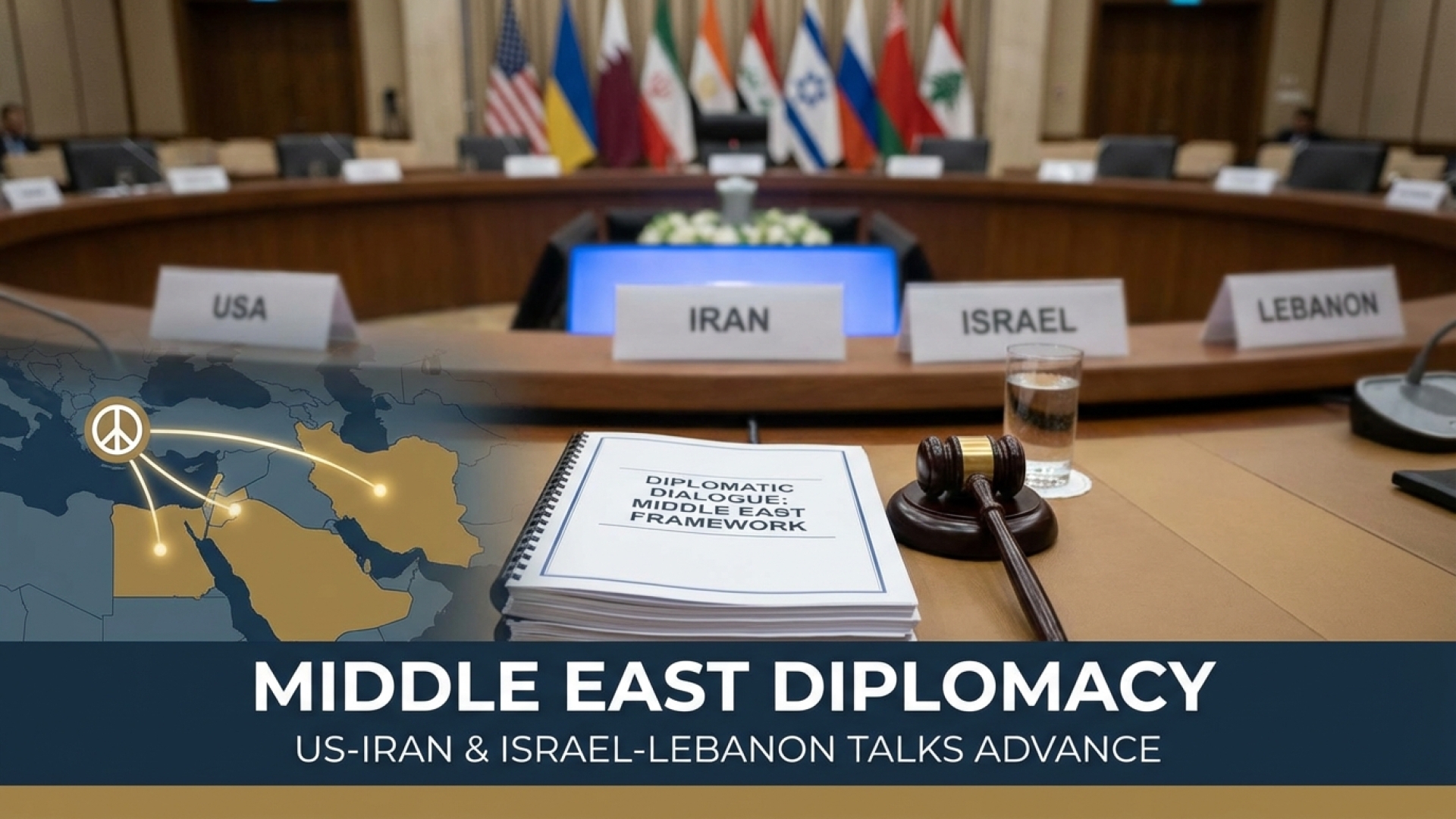
As high-level diplomatic efforts intensify, the global stage remains fixed on Pakistan, where preparations for critical talks between the United States and Iran are underway. Despite the diplomatic movement, a fragile ceasefire in the Middle East continues to be tested by escalating exchanges between Israel and Hezbollah, while Tehran’s strategic grip on the Strait of Hormuz creates ripples of economic uncertainty reaching as far as Western New York.
U.S. Vice President JD Vance is scheduled to depart Washington shortly to spearhead these discussions. Simultaneously, separate negotiations between Israel and Lebanon are expected to begin next week in the capital, marking a pivotal moment for regional stability. For residents in the Buffalo region and beyond, these developments are more than distant headlines; they represent a significant shift in global energy security and international relations that William Strasmore and the Lake Erie Times team are tracking closely.
Regional Conflicts Strain Ceasefire Efforts
The current truce remains precarious, largely due to Israel’s position that the ceasefire does not extend to its operations against the Iran-backed group Hezbollah. This distinction has led to continued military action, including significant airstrikes on Beirut that resulted in over 300 fatalities—the highest single-day death toll since hostilities escalated in late February. Reporting from the ground indicates that the intensity of these strikes has prompted calls for restraint from Washington.
In a direct response to northern Israel being targeted, the Israeli military reported neutralizing approximately 10 Hezbollah launchers in Lebanon. This cycle of violence has drawn sharp rebukes from Tehran, with Iranian officials warning that continued operations against Hezbollah will lead to “explicit costs.” Despite the friction, Prime Minister Benjamin Netanyahu has cleared the path for negotiations with Lebanon, aiming to address the presence of militants and explore the possibility of long-term diplomatic normalization between the two nations.
Strategic Impact of the Strait of Hormuz
The closure of the Strait of Hormuz remains the most potent tool in Iran’s strategic arsenal. As a passage that previously facilitated 20% of the world’s oil trade, its restricted status is driving a sharp uptick in global energy costs. Since the conflict began, Brent crude prices have climbed by over 30%, a surge that directly impacts transportation and heating costs for families across the Lake Erie region.
Data shows a staggering decrease in maritime traffic; while over 100 ships typically navigate the strait daily, that number has plummeted to just 12 since the ceasefire was announced. The following table illustrates the current economic pressure points resulting from the maritime blockade:
| Indicator | Pre-Conflict Average | Current Status |
|---|---|---|
| Brent Crude Spot Price | ~$74.00 | ~$97.00 |
| Daily Ship Transits | 100+ Ships | 12 Ships |
| Vessels Awaiting Passage | Negligible | ~230 Oil Tankers |
Sultan al-Jaber, head of the United Arab Emirates’ national oil company, emphasized the urgency of the situation, noting that hundreds of oil-laden vessels are currently stalled. The White House has expressed dissatisfaction with the slow progress of reopening the waterway, asserting that the current restrictions violate the spirit of recent diplomatic agreements.
Nuclear Ambitions and Missile Diplomacy
Beyond the immediate battlefield, the long-term viability of peace hinges on the unresolved status of Iran’s nuclear and missile programs. A primary objective for U.S. and Israeli leadership is the neutralization of Tehran’s stockpile of highly enriched uranium. While the U.S. has offered cooperation in removing these materials, Iranian officials maintain that their nuclear program is peaceful and that the right to enrich uranium is a non-negotiable condition for any permanent peace deal.
As William Strasmore continues to monitor these developments for the Lake Erie Times, it is clear that the path to a lasting resolution is fraught with technical and political hurdles. The outcome of the upcoming talks in Pakistan and Washington will likely determine the economic and security landscape for the remainder of the year.
Editor’s Note: At Lake Erie Times, we provide Western New York with accurate, in-depth news coverage to foster informed dialogue. The content provided is for informational purposes and should not be considered professional legal or financial advice. Some links on our site may be affiliate links; we may earn a commission at no additional cost to you based on our commitment to quality journalism.
Copyright 2025 Associated Press. All rights reserved. This material may not be published, broadcast, rewritten, or redistributed.