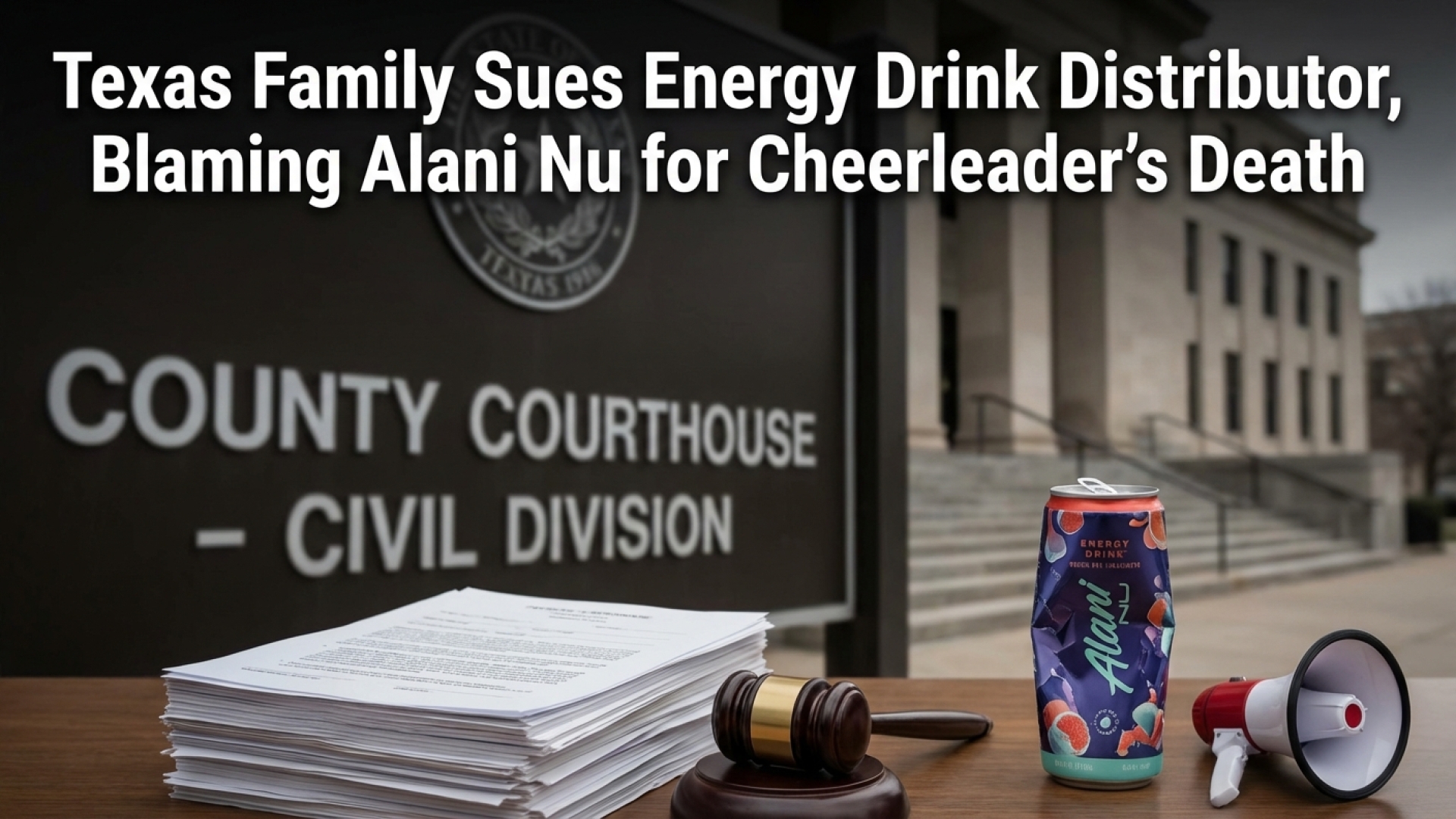
A Texas family has initiated a wrongful death lawsuit against a major energy drink distributor, alleging that their products played a definitive role in the tragic passing of a high school cheerleader. While the legal battle is unfolding in the South, the case has sparked renewed discussions across Western New York regarding the safety and marketing of high-stimulant beverages to minors.
Tragedy Sparks Legal Action Against Distributor
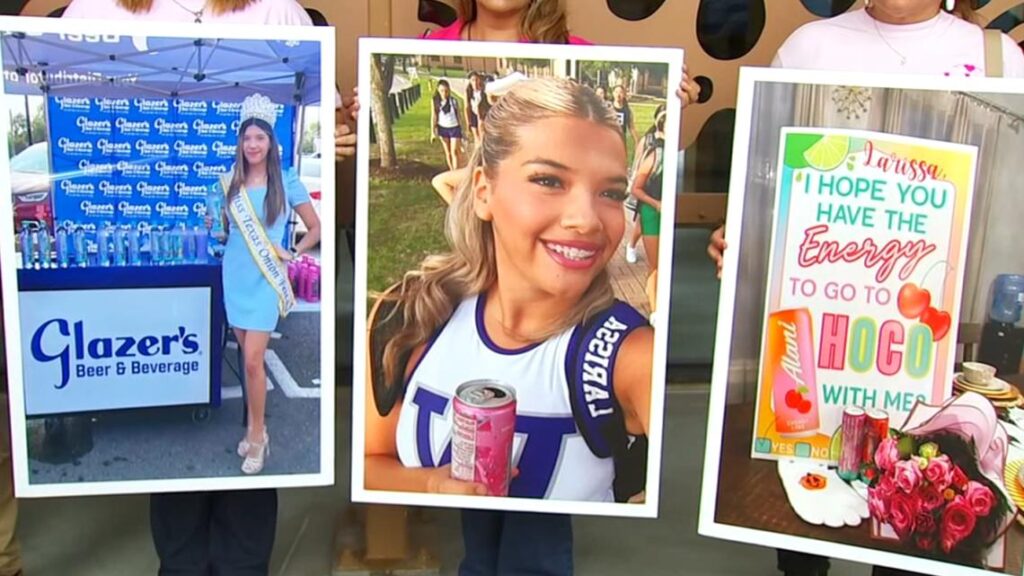
The family of 17-year-old Larissa Rodriguez, a student at Weslaco High School, filed the claim against Glazer’s Beer and Beverage. Following her passing on October 20, 2025, medical reports indicated the cause of death was an enlarged heart. Legal counsel for the family asserts that this condition was exacerbated by extreme stress and a significant intake of caffeine sourced from Alani energy drinks.
William Strasmore, reporting for the Lake Erie Times, notes that these types of cases are increasingly common as health advocates question the transparency of stimulant concentrations in popular wellness-branded beverages. The lawsuit specifically targets the distribution and labeling practices of the product line.
Allegations of Dangerous Formulation and Lack of Transparency
The core of the legal argument rests on the claim that Alani energy drinks are “dangerously formulated and inadequately labeled.” Attorneys represent that the beverages contain caffeine levels equivalent to more than two cups of coffee—a concentration that exceeds the U.S. Food and Drug Administration’s (FDA) suggested limits for adolescents.
Furthermore, the lawsuit alleges the presence of undisclosed stimulants. These additives, when combined with high doses of caffeine, can lead to severe cardiac complications. The following table illustrates the typical caffeine content found in popular beverages compared to Alani Nu as cited in recent consumer safety discussions:
| Beverage Type | Typical Caffeine Content (per 12oz) | Primary Target Demographic |
|---|---|---|
| Standard Coffee | ~95 mg | Adults |
| Popular Soda | ~35 mg | General Public |
| Alani Nu Energy Drink | ~200 mg | Fitness/Youth |
Aggressive Marketing and Consumer Safety
While the cans include a disclaimer stating they are not recommended for children or those sensitive to caffeine, the Rodriguez family argues these warnings are overshadowed by aggressive marketing campaigns. These strategies often utilize bright packaging and social media influencers to appeal directly to younger demographics.
In Western New York, local health experts have expressed similar concerns, urging parents to monitor the intake of “lifestyle” energy drinks that may appear to be health supplements but function as potent stimulants. The pursuit of justice for Larissa Rodriguez seeks over $1 million in damages, but for her mother, Alicia Rodriguez, the focus is on prevention. “This is the hardest thing that I’ve ever gone through in my life,” she stated, hoping the case brings awareness to other families.
The Corporate Landscape of Alani Nu
Originally founded in Louisville, Kentucky, Alani Nu rapidly expanded its footprint in the health and wellness sector. The brand’s trajectory shifted significantly in February 2025 when it was acquired by Celsius, another industry giant. This acquisition has placed the brand under even more intense scrutiny regarding its manufacturing and marketing protocols.
As this case moves through the court system, the Lake Erie Times will continue to provide updates on how these national safety standards may influence local regulations and consumer protection laws in New York.
Disclaimer: The content provided by Lake Erie Times is for informational purposes only and should not be considered as professional legal or financial advice. Some links on Lake Erie Times are affiliate links. Our recommendations are based on careful research and our commitment to quality journalism.