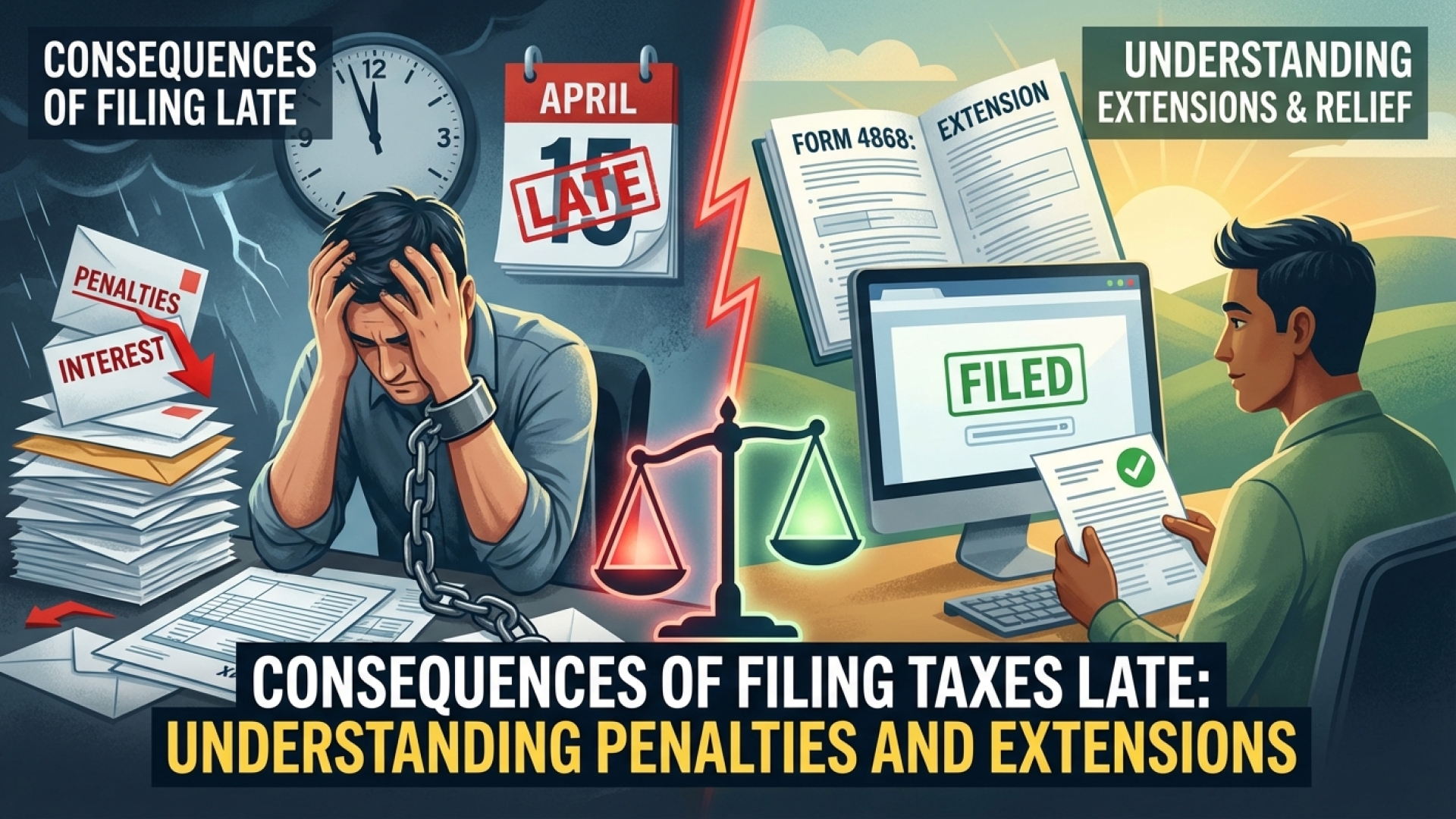
As the tax season reaches its peak, Western New York residents are bracing for the fast-approaching deadline. Tax Day is Wednesday, April 15, this year, and while the Internal Revenue Service (IRS) expects the majority of Buffalo and Erie County taxpayers to meet this cutoff, life often presents unexpected hurdles. Whether you are navigating a complex financial situation or simply running behind, understanding the nuances of filing late is essential to protecting your finances.
Here is an incisive look at what to do if you anticipate missing the 2025 tax filing deadline, and how to mitigate the impact of potential penalties.
How to Secure a Filing Extension
If you realize you cannot complete your 2025 returns by April 15, the most proactive step is to request an extension. By submitting the necessary paperwork by the initial deadline, you can push your filing date back to October 15.
The official document required is IRS Form 4868, Application for Automatic Extension of Time to File U.S. Individual Income Tax Return. This application is available at no cost through the IRS e-file service or can be submitted via traditional mail.
However, Western New Yorkers should note a critical distinction: an extension to file your return is not an extension to pay any taxes owed. To avoid interest and late-payment fees, you must estimate and pay your tax liability by the original April 15 deadline.
Understanding Late Filing and Payment Penalties
The cost of procrastination can be steep. The IRS distinguishes between the failure to file and the failure to pay, though both can significantly increase your tax bill. Below is a breakdown of the standard penalties taxpayers may face:
| Penalty Type | Rate | Maximum Penalty |
|---|---|---|
| Failure to File | 5% of unpaid taxes per month | Up to 25% of total unpaid tax |
| Failure to Pay | 0.5% of unpaid taxes per month | Up to 25% of total unpaid tax |
| Filing >60 Days Late | Minimum of $525 or 100% of tax (whichever is smaller) | Variable |
For more detailed information, residents can review the IRS guidelines on failure-to-file and failure-to-pay consequences. Staying informed is the best way to maintain compliance and keep more of your hard-earned money in Western New York.
Grounds for Disputing Penalties
The IRS does allow for “reasonable cause” exceptions where penalties may be waived or reduced. These are typically reserved for extreme circumstances beyond the taxpayer’s control, such as:
- Death or serious illness of the taxpayer or an immediate family member.
- Catastrophic system failures during electronic filing.
- Impact from natural disasters or civil disturbances.
Taxpayers wishing to dispute a penalty should contact the IRS via their toll-free assistance line. It is important to remember that the IRS evaluates these disputes on a case-by-case basis, requiring thorough documentation of the facts and circumstances surrounding the delay.
Special Circumstances and Automatic Extensions
Certain groups are granted automatic extensions without the need to file Form 4868. This includes members of the military serving in combat zones, who typically receive at least 180 days after leaving the zone to file. Additionally, U.S. citizens living and working abroad on Tax Day receive an automatic two-month extension.
Furthermore, the IRS frequently provides relief for those in federally declared disaster areas. Currently, several states have specific extensions in place:
- Hawaii: Residents of Hawaii, Honolulu, Kauai, and Maui counties affected by March storms have until July 8.
- Montana: Victims of severe storms from December 2025 have until May 10 to file.
- Tennessee: Those impacted by January winter storms in nearly two dozen counties have until May 22.
For Buffalo residents, staying abreast of these regional changes is vital. While Western New York is not currently on the list for disaster extensions, Lake Erie Times will continue to monitor local weather events and IRS updates to ensure our community has the most accurate information available.
Disclaimer: The content provided by Lake Erie Times is for informational purposes only and should not be considered as professional legal or financial advice.
Affiliate Disclaimer: Some links on Lake Erie Times are affiliate links. This means that if you make a purchase through these links, we may earn a commission at no additional cost to you. Our recommendations are based on careful research and our commitment to quality journalism.