
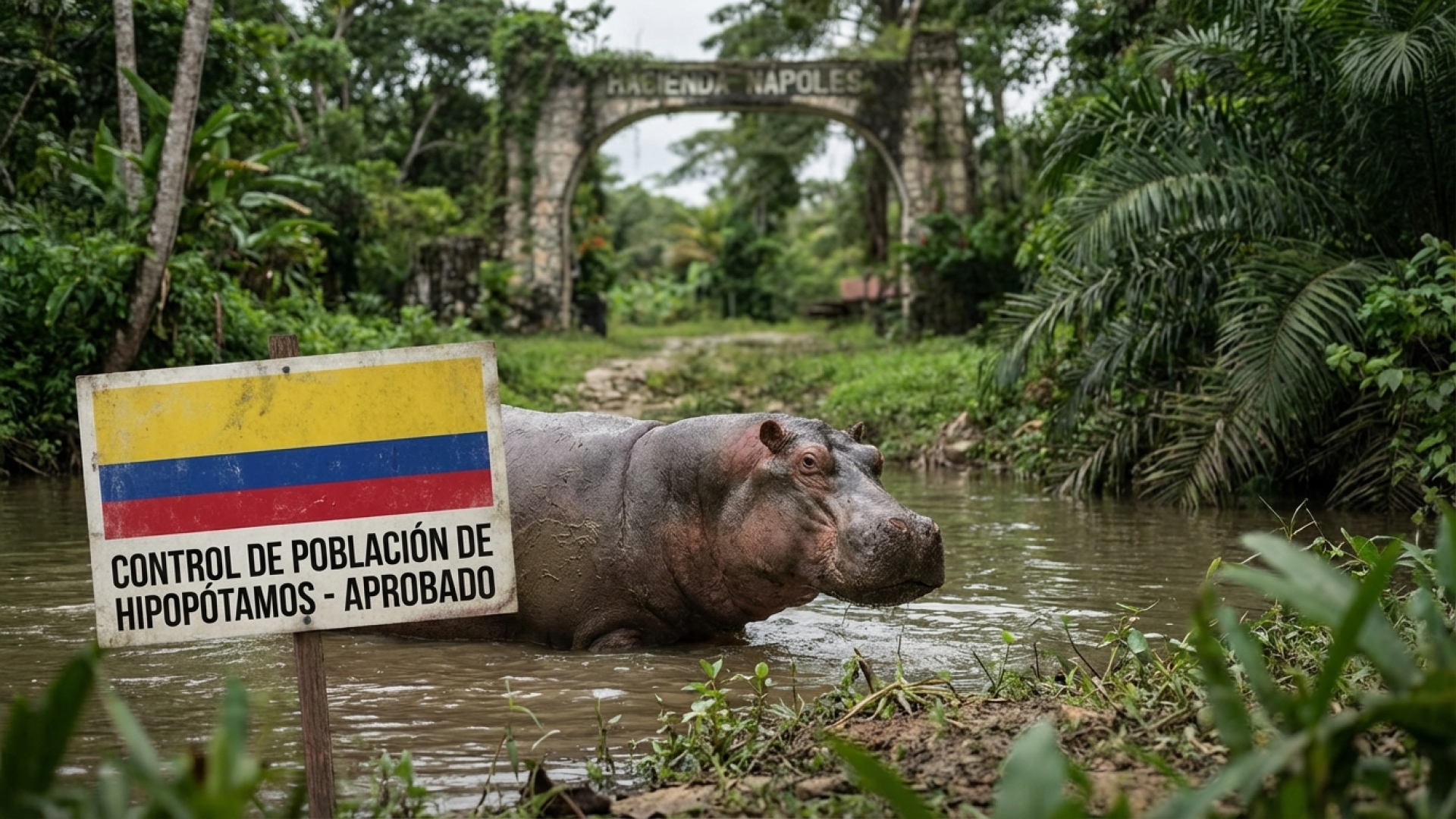
BOGOTA, Colombia — Colombian environmental authorities have sanctioned a contentious plan to cull dozens of hippopotamuses currently roaming the central region of the country. This drastic measure arrives decades after the notorious drug kingpin Pablo Escobar illegally imported the animals, creating a biological legacy that now threatens local villagers and endangers native ecosystems. For readers following environmental conservation efforts at the Lake Erie Times, this case serves as a stark reminder of the complexities involved in managing invasive species.
Colombia’s Hippo Predicament: A Growing Ecological Crisis
Environment Minister Irene Vélez recently confirmed that previous interventions—including sterilization and attempts to relocate the animals to international zoos—have been prohibitively expensive and largely ineffective. The new directive targets approximately 80 hippos for culling. While the specific operational timeline remains classified for security reasons, the government maintains that the status quo is no longer sustainable.
“If we don’t do this, we will not be able to control the population,” Vélez explained during a press briefing. “We must act now to preserve our native biodiversity.” Colombia holds the unique and difficult distinction of being the only nation outside of Africa with a wild hippo population, presenting an unprecedented challenge for regional community safety and ecological balance.
The Legacy of Hacienda Nápoles
The current crisis traces back to the 1980s when Pablo Escobar established a private menagerie at his sprawling estate, Hacienda Nápoles. Located in the Magdalena River valley, the ranch featured exotic animals from across the globe. After Escobar’s death and the subsequent seizure of his assets, most animals were relocated; however, the hippos were deemed too difficult to transport and were left to fend for themselves. In the lush, predator-free environment of Colombia, they thrived.
Population Growth and Habitat Expansion
A study conducted by Colombia’s National University in 2022 highlighted the rapid expansion of the herd. What began as four individuals has exploded into a population that is migrating further from its original site. The following data outlines the scope of the issue:
| Metric | Details |
|---|---|
| Estimated Population (2022) | Approximately 170 individuals |
| Geographic Spread | Over 100 kilometers north of Hacienda Nápoles |
| Primary Native Competitor | River Manatees (Trichechus inunguis) |
| Primary Risk Factor | Human-wildlife conflict and habitat degradation |
Environmentalists warn that the hippos compete aggressively with native manatees for food and territory. Furthermore, the massive amount of waste produced by the herd alters the oxygen levels in local waterways, potentially causing massive fish kills that affect local business interests and food security for river communities.
The Intersection of Tourism and Public Safety
In a bizarre twist of lifestyle and local culture, the hippos have become a symbol of regional identity. Local entrepreneurs offer “hippo spotting” boat tours and sell themed merchandise, capitalizing on the animals’ notoriety. However, this proximity to humans is dangerous. Hippos are among the world’s most aggressive land mammals, and encounters on local farms and near riverbanks have increased significantly, prompting urgent calls for action from local politics leaders.
Ethical Opposition and the Search for Alternatives
The culling plan has met fierce resistance from animal rights advocates. Senator Andrea Padilla has been a vocal critic, describing the move as “cruel” and a failure of governmental imagination. Opponents argue that the hippos are victims of historical negligence and that the state should prioritize non-lethal management regardless of the cost.
Despite the push for alternative solutions, experts suggest that the window for non-lethal control is closing. The sheer size of the animals, their aggressive nature, and the logistical nightmare of tranquilizing them in dense jungle terrain make mass sterilization nearly impossible. Additionally, African nations have expressed concern over accepting the Colombian hippos due to potential disease transmission and genetic differences developed over decades of isolation.
A Global Lesson in Invasive Species Management
As we observe these developments from Western New York, the parallels to our own regional challenges with invasive species—such as those affecting the Great Lakes—are evident. Effective management requires a difficult balance between ethical considerations and ecological necessity. William Strasmore will continue to monitor this situation as it develops, providing the in-depth local news perspectives our readers expect.
Disclaimer: The content provided by Lake Erie Times is for informational purposes only and should not be considered as professional legal or financial advice. Some links on Lake Erie Times are affiliate links. This means that if you make a purchase through these links, we may earn a commission at no additional cost to you. Our recommendations are based on careful research and our commitment to quality journalism.