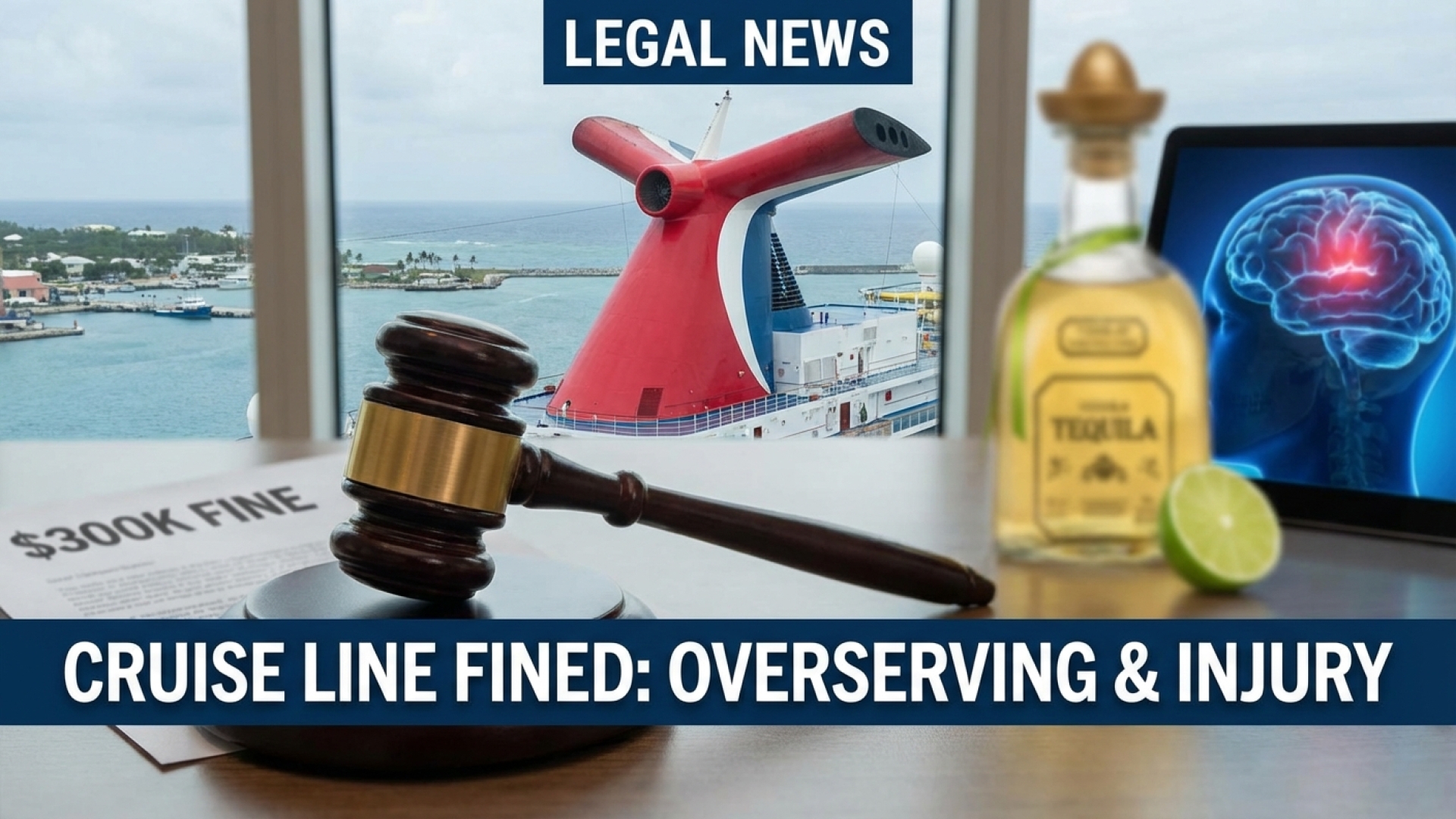
A federal jury in Miami has ordered Carnival Corporation to pay $300,000 in damages to a passenger who suffered debilitating injuries after being overserved alcohol. The verdict raises significant questions regarding maritime law and the safety protocols of major cruise lines—issues that resonance deeply with Western New York travelers planning their next getaways.
The Incident Aboard the Carnival Radiance
The lawsuit centered on the experience of Diana Sanders, a 45-year-old nurse from California, during a voyage on the Carnival Radiance in early 2024. According to court records, Sanders was served at least 14 shots of tequila over a span of approximately eight and a half hours. The timeline provided by her legal team showed a relentless pace of service beginning in the mid-afternoon and continuing until nearly midnight.
Severe Injuries and the Jury’s Verdict
Following the excessive alcohol consumption, Sanders suffered a traumatic fall that resulted in a concussion, persistent headaches, potential traumatic brain injury, and significant damage to her back and tailbone. While her legal team initially sought $250,000, the jury exceeded that request, awarding $300,000 in total damages.
| Case Detail | Information |
|---|---|
| Plaintiff | Diana Sanders |
| Vessel | Carnival Radiance |
| Alcohol Consumed | 14 shots of tequila in ~8.5 hours |
| Primary Injuries | Concussion, Brain Injury, Spinal/Tailbone trauma |
| Verdict Amount | $300,000 |
Critiquing the Cruise Line Business Model
The litigation delved into more than just the actions of individual bartenders. Sanders’ complaint scrutinized the fundamental business model of Carnival Corporation. The lawsuit alleged that the cruise line intentionally designs its ships with alcohol-serving stations in nearly every accessible area to maximize revenue, often at the expense of passenger monitoring and safety.
Reporting for the Lake Erie Times, investigative journalist William Strasmore notes that this case highlights a growing tension between the high-volume service models of the hospitality industry and the “duty of reasonable care” required by maritime law. The jury ultimately agreed that the crew had a responsibility to supervise passengers who were clearly engaging in dangerous levels of consumption.
Carnival’s Defense and Planned Appeal
Carnival Corporation has maintained a firm defense, arguing that Sanders could not identify the specific employees or bars that overserved her. Their legal team contended that without evidence of visible intoxication—such as slurred speech or stumbling—crew members could not have known she was impaired. Despite the jury’s decision, a Carnival spokesperson expressed disagreement with the verdict, stating the company believes there are grounds for a new trial and intends to pursue an appeal.
A Broader Industry Trend
This legal battle is not an isolated event. It follows a similar lawsuit filed against Royal Caribbean involving the death of a passenger who was allegedly served 33 drinks. As these cases mount, industry analysts suggest that cruise lines may face increasing pressure to reform their beverage programs and implement stricter monitoring systems to protect passengers from the risks of overconsumption.
For Western New York residents who frequent the high seas, this verdict serves as a stark reminder of the complexities of maritime liability. Lake Erie Times will continue to monitor these developments as they impact consumer safety and travel regulations.
About the Author: William Strasmore is a dedicated news reporter for the Lake Erie Times. With a background in investigative journalism, William provides Western New York with in-depth analysis of community affairs, local politics, and regional events. For more reporting from William, visit his author page.
Disclaimer: The content provided by Lake Erie Times is for informational purposes only and should not be considered professional legal or financial advice. Some links may be affiliate links; we may earn a commission at no additional cost to you.