As international tensions reach a boiling point in the Middle East, residents across Western New York are feeling the ripple effects of a conflict thousands of miles away. Here at the Lake Erie Times, we are closely monitoring the escalating naval standoff in the Strait of Hormuz, which has already begun to impact regional energy costs and global shipping lanes.
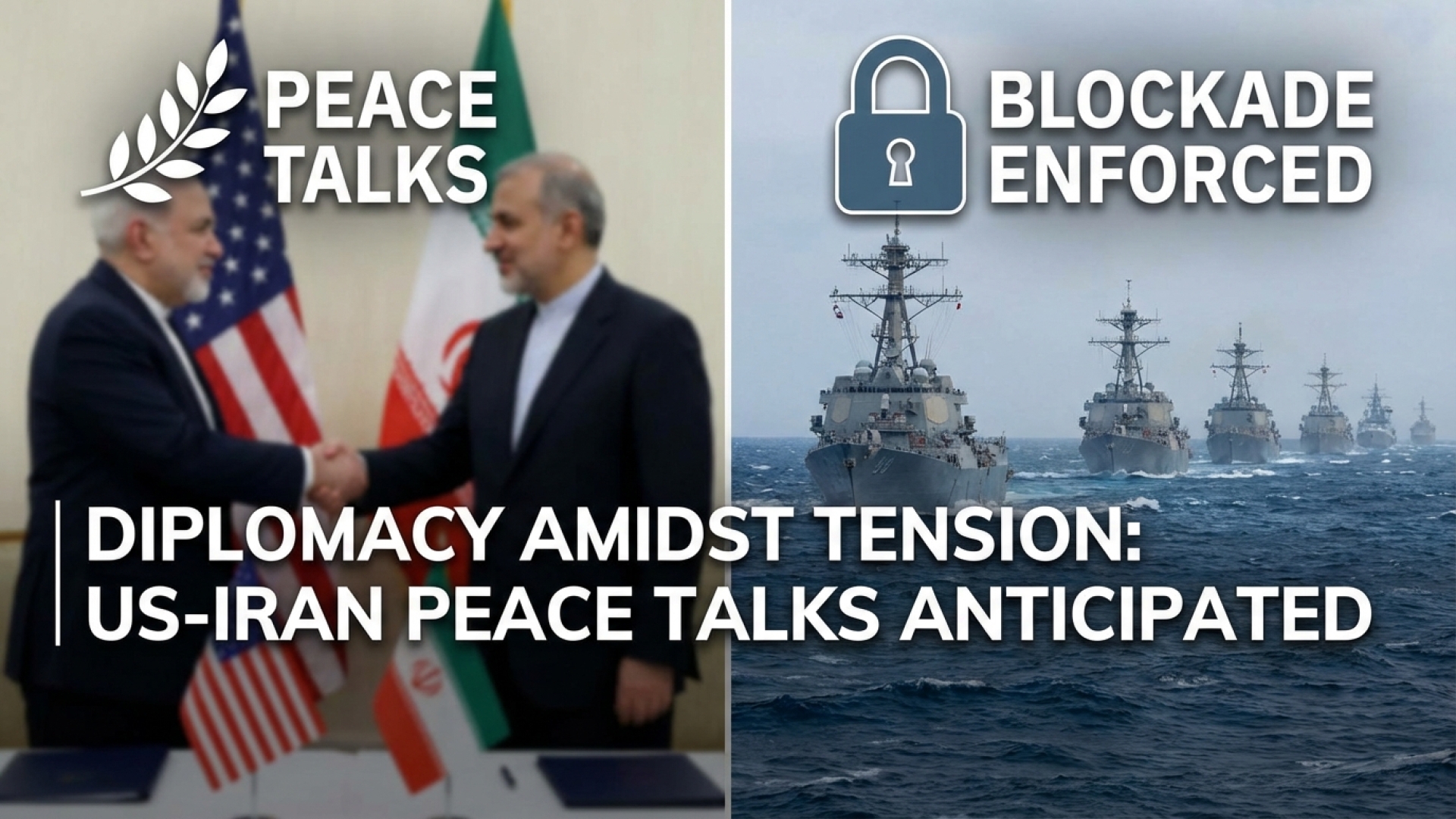
ISLAMABAD, Pakistan — Hopes are rising for renewed diplomatic talks between the United States and Iran, even as the U.S. military confirmed its blockade of Iranian ports is now fully in effect. The strategic move has prompted Tehran to threaten retaliatory strikes across a region already weary from seven weeks of sustained combat.
U.S. President Donald Trump indicated on Tuesday that a second round of negotiations could materialize within the next 48 hours. Speaking with the New York Post, the President suggested that Islamabad may once again serve as the neutral ground for these high-stakes discussions as diplomats work through back channels to finalize arrangements.
U.N. Secretary-General António Guterres reinforced this optimistic outlook, stating it is “highly probable” that discussions will resume following his recent meeting with Pakistan’s Foreign Minister, Ishaq Dar.
Market Volatility and Regional Diplomacy
The prospect of a diplomatic breakthrough triggered an immediate reaction in global markets. Oil prices saw a notable dip, while U.S. stock indices surged toward record highs last seen in January. For our readers in Buffalo and the broader Western New York region, these fluctuations are more than just numbers on a screen—they directly influence local gas prices and the cost of transported goods arriving via the Great Lakes and regional rail lines.
In a parallel diplomatic development, Washington hosted the first direct talks in decades between the Israeli and Lebanese ambassadors to the U.S. The State Department characterized the meeting as productive. Israeli Ambassador Yechiel Leiter noted that both nations share a common interest in “liberating Lebanon” from Hezbollah influence. While Lebanese Ambassador Nada Hamadeh Moawad called the session “constructive,” she emphasized the urgent need for a cessation of hostilities that has displaced over 1 million people in Lebanon since March.
The Stumbling Blocks of Sovereignty
Despite the current momentum, previous efforts to secure a permanent peace have been fraught with difficulty. A round of talks held in Pakistan last weekend failed to reach an agreement, with the White House citing Iran’s nuclear ambitions as the primary sticking point.
“I think they want to make a deal very badly,” President Trump stated during an interview segment with Fox Business Network’s Mornings with Maria. “I view it as very close to over.”
However, a U.S. official, speaking on the condition of anonymity, cautioned that while fresh talks are under discussion, nothing has been formally scheduled. Meanwhile, Pakistan’s Finance Minister Muhammad Aurangzeb reaffirmed his country’s commitment to the process, stating that leadership is “not giving up” on facilitating an end to the conflict.
Naval Blockade: Pressure in the Strait of Hormuz
The economic stakes are centered on the Strait of Hormuz, a vital maritime artery through which one-fifth of the world’s oil supply passes. U.S. Central Command reported Tuesday that the blockade has effectively halted traffic; in a 24-hour window, six merchant vessels complied with U.S. orders to turn back toward Iranian waters.
This blockade aims to choke off Iran’s primary revenue stream. Since the conflict began on February 28, Iran has relied on “dark transits”—tankers operating without transponders to evade sanctions—to export millions of barrels of oil to Asian markets. The closure of the waterway has sent global energy prices skyrocketing, adding inflationary pressure to basic goods like food and fuel far beyond the borders of the Middle East.
The Human Cost of Conflict
The toll of the seven-week war continues to climb, affecting military personnel and civilians alike. Below is a summary of the reported casualties as of this week:
| Region/Group | Reported Fatalities |
|---|---|
| Iran | 3,000+ |
| Lebanon | 2,100+ |
| Israel | 23 |
| Gulf Arab States | 12+ |
| U.S. Service Members | 13 |
As William Strasmore and the Lake Erie Times continue to track these developments, we remain committed to providing our Western New York community with the facts on how these international shifts impact our local economy and national security.
Copyright 2025 Associated Press. All rights reserved. This material may not be published, broadcast, rewritten, or redistributed. Additional reporting and regional analysis provided by the Lake Erie Times staff.