As April unfolds across Western New York, local health experts are turning the spotlight toward a quiet but pervasive crisis: chronic stress. Designated as Stress Awareness Month, this period serves as a critical reminder for Buffalo residents to evaluate how the pressures of the modern economy and workplace are impacting their long-term mental and physical well-being.
From the corporate offices of downtown Buffalo to the suburban households of Amherst and Orchard Park, the weight of financial uncertainty and professional demands is reaching a tipping point. William Strasmore reports on how local experts are advising the community to navigate these challenges.
Dr. Sarah Ross, a licensed professional counselor and faculty member at the University of Phoenix, recently discussed the escalating impact of these pressures. “Stress is such a significant factor in our lives right now,” Ross noted. “When you examine the intersection of financial strain, workplace expectations, and family obligations, it is clear why so many feel overwhelmed.”
While some degree of pressure can act as a catalyst for productivity—helping individuals meet deadlines or stay focused—Ross warns that the line between “motivational stress” and “debilitating anxiety” is increasingly thin. When left unmanaged, the latter can manifest in severe physical ailments and burnout.
Differentiating Workplace Burnout and Financial Strain
Understanding the source of tension is the first step in mitigation. According to Dr. Ross, work-related stress often presents as physical exhaustion and a lack of cognitive clarity.
“You’re going to experience a profound sense of burnout,” Ross explained. “Common symptoms include difficulty concentrating and physical markers of anxiety, such as a racing heart or persistent fatigue.” Over time, this leads to a cycle of dread and decreased professional efficacy.
However, financial stress often carries a more “chronic” and “heavy” burden. Unlike workplace issues that may subside after the workday ends, financial worries are persistent. “It follows you throughout your day,” Ross added, noting that this type of chronic worry is particularly taxing on the body’s nervous system.
Identifying Personal Triggers
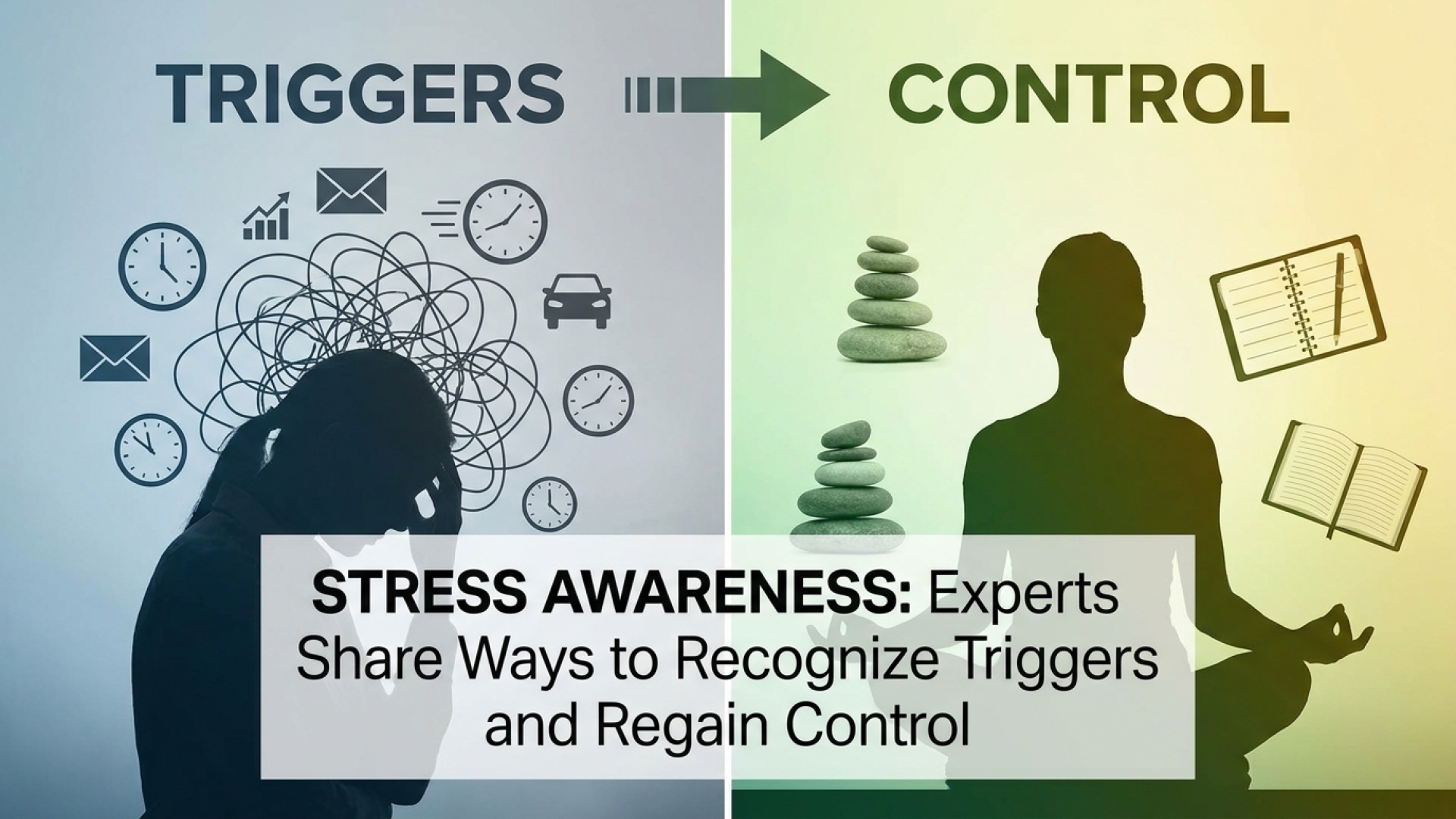
The Lake Erie Times emphasizes that self-awareness is a primary tool for recovery. Experts suggest that residents pay close attention to physiological responses during daily interactions. If a specific phone call or a notification from a supervisor triggers an immediate spike in heart rate, that is a clear diagnostic marker of a stress trigger. Connecting these physical sensations to external events allows individuals to develop targeted coping mechanisms.
Strategic Stress Management
Managing stress effectively requires a multifaceted approach. The following table outlines practical strategies for regaining control over daily pressures:
| Strategy | Actionable Step | Expected Outcome |
|---|---|---|
| Physical Regulation | Prioritize sleep hygiene and nutrition. | Stabilizes cortisol levels and improves mood. |
| Boundary Setting | Learn to decline non-essential obligations. | Reduces cognitive load and prevents over-commitment. |
| Control Focus | Identify factors within your immediate influence. | Reduces feelings of helplessness and anxiety. |
| Mindfulness | Incorporate daily meditation or journaling. | Lowers heart rate and enhances emotional resilience. |
To support these efforts, many are turning to modern tools. Investing in a sleep aid device can ensure the restorative rest needed to tackle the day, while others explore nutritional supplements to bolster their physical resilience. For those confined to busy schedules, utilizing home workout equipment provides a vital outlet for releasing accumulated tension.
When to Seek Professional Intervention
While self-care is a powerful deterrent, chronic stress can occasionally bypass personal coping limits. “When stress begins impacting your fundamental ability to function—whether physically or mentally—it is time to seek professional help,” Dr. Ross advised. The Western New York healthcare community offers various resources for those reaching a breaking point, emphasizing that mental health support should be proactive rather than a last resort.
Incorporating small rituals, such as using a mindfulness meditation app or documenting daily wins in a gratitude journal, can serve as an early defense against the onset of chronic anxiety. As Stress Awareness Month continues, the message for Buffalo is clear: recognize the signs, respect your limits, and take action before the pressure becomes unmanageable.
About the Author: William Strasmore is a dedicated news reporter in Western New York for the Lake Erie Times. With an extensive background in investigative journalism, William focuses on providing impartial, in-depth coverage of community affairs and regional health issues. You can find more of his work on his author page.
Disclaimer: The content provided by Lake Erie Times is for informational purposes only and should not be considered as professional medical, legal, or financial advice. Some links on Lake Erie Times are affiliate links. If you make a purchase through these links, we may earn a commission at no additional cost to you. Our recommendations are based on careful research and our commitment to quality journalism.