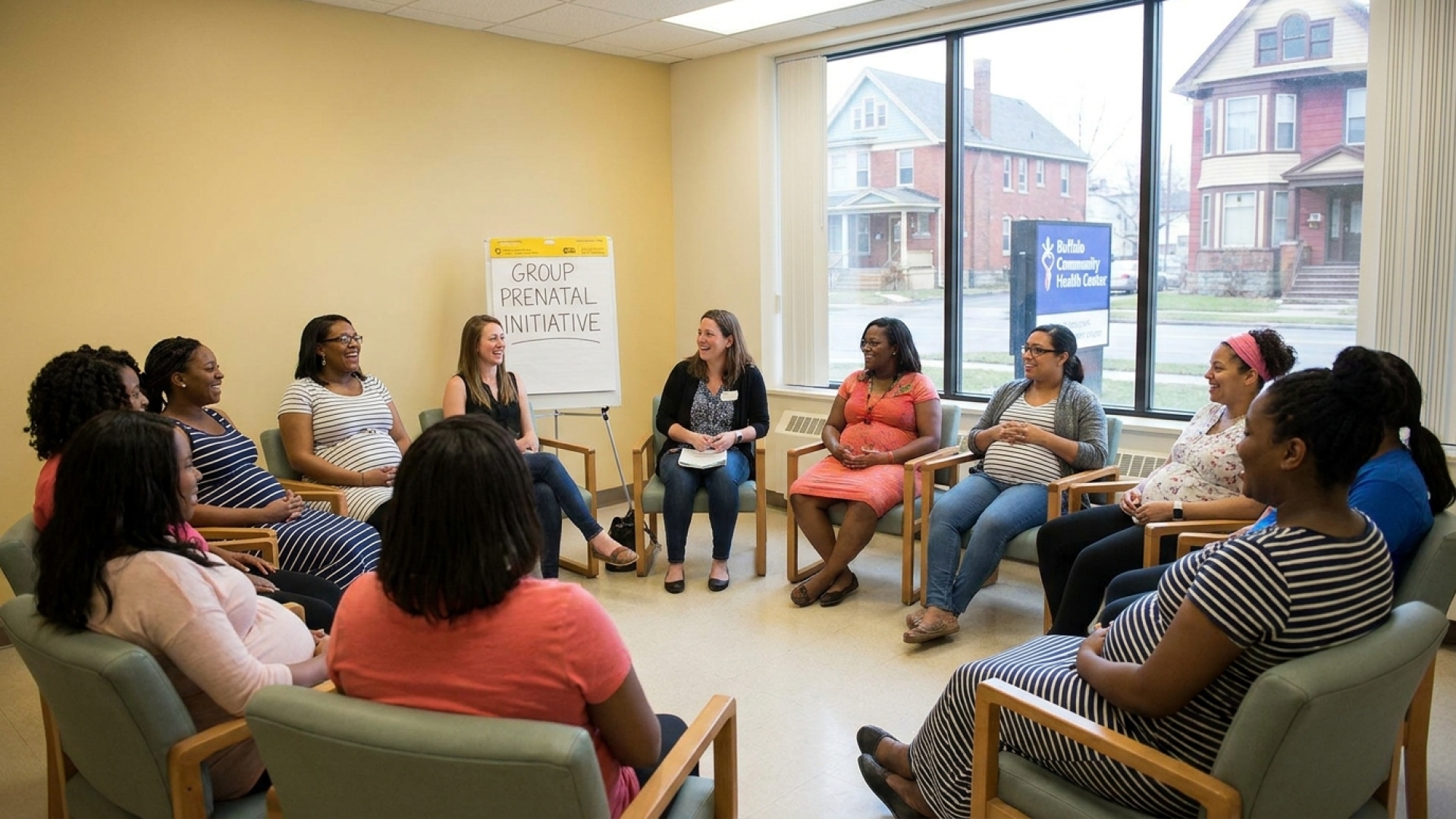
Expecting a child in Buffalo has just become a little more supportive, connected, and medically streamlined. This week, a new group prenatal care initiative officially launched across Western New York, bringing an evidence-based model of maternal health directly to local clinics and community health centers. Designed specifically for pregnant individuals in their second and third trimesters, the program replaces traditional one-on-one appointments with facilitated small-group sessions that combine clinical monitoring, health education, and peer support.
Understanding the Shift to Group Prenatal Care
Traditional prenatal care often leaves expectant parents navigating their pregnancy in isolation. Group prenatal care flips that model by bringing together 10 to 15 participants who share a similar due date. Led by certified midwives, nurse practitioners, and registered nurses, these sessions follow a structured curriculum that covers fetal development, nutrition, labor preparation, and postpartum recovery. The format encourages open dialogue, allowing participants to ask questions, share experiences, and build a local support network long before their little ones arrive.
What sets this Buffalo rollout apart is its intentional integration with regional health systems, ensuring that clinical needs are met on-site while reducing barriers like transportation gaps and fragmented care coordination. The program was developed in response to growing data showing that group-based maternal care significantly improves birth outcomes, particularly in historically underserved neighborhoods.
Proven Benefits for Mothers and Babies
Research consistently demonstrates that group prenatal care delivers measurable health and emotional benefits. Participants report higher satisfaction scores, fewer pregnancy-related complications, and stronger postpartum mental health outcomes compared to traditional care models. The structured environment also encourages earlier identification of potential health concerns, as clinical staff can track patterns across multiple patients and adjust care plans in real time.
For new parents in Erie and Niagara counties, the program removes common obstacles to consistent care. By offering flexible scheduling, multilingual facilitators, and free childcare for older siblings during sessions, the initiative ensures that geographic, financial, and linguistic barriers do not dictate who gets high-quality prenatal support.
| Feature | Traditional Prenatal Care | Group Prenatal Care |
|---|---|---|
| Session Format | One-on-one, 15-20 minutes | Small groups of 10-15, 90-120 minutes |
| Education Focus | Provider-led, limited discussion | Interactive, peer-driven curriculum |
| Community Building | Limited to none | High (built-in support network) |
| Accessibility | Standard clinic hours | Evenings, weekends, and telehealth options |
| Health Outcomes | Standard clinical monitoring | Improved maternal satisfaction and early intervention rates |
Program Logistics and Eligibility
The group prenatal care program operates on a rolling enrollment basis across multiple partner clinics in the Buffalo metro area. Eligibility is intentionally inclusive: any pregnant person at 18 weeks gestation or older, regardless of insurance status or immigration background, may apply. Priority is given to individuals carrying high-risk pregnancies, those with limited social support, and families participating in state maternal health initiatives.
Registration is free, and no one will be turned away for inability to pay. Participants receive a comprehensive care kit at orientation, including prenatal vitamins, nutrition guides, hospital bag essentials, and access to a dedicated care coordinator who remains available via secure messaging between sessions.
Strengthening Buffalo’s Maternal Health Landscape
Buffalo has long faced disparities in maternal health outcomes, particularly among Black, Indigenous, and low-income communities. According to recent public health data, preventable pregnancy-related complications remain a leading cause of maternal morbidity in Western New York. This program directly addresses those gaps by embedding culturally responsive care into the heart of prenatal treatment.
Local healthcare leaders emphasize that group prenatal care is not just a clinical intervention but a community investment. By fostering trust, reducing isolation, and empowering families with knowledge, the initiative aligns with broader regional goals to close maternal health equity gaps and strengthen generational wellness.
How to Learn More or Enroll
Families interested in joining the program can schedule a free orientation call or visit the official portal to complete a preliminary assessment. Virtual tours of the facility, language preference forms, and transportation assistance requests are also available online. All inquiries are handled by multilingual enrollment specialists who can guide families through every step of the process.
Buffalo’s maternal health landscape just got a powerful new resource. For expectant parents ready to connect with a community that prioritizes their well-being, the time to act is now.
Disclaimer: The content provided by Lake Erie Times is for informational purposes only and should not be considered as professional legal or financial advice. Some links on Lake Erie Times are affiliate links. This means that if you make a purchase through these links, we may earn a commission at no additional cost to you. Our recommendations are based on careful research and our commitment to quality journalism.