In the landscape of public health across the Great Lakes region, three distinct narratives are emerging with a singular, urgent message: proactive intervention is the most effective tool in saving lives. From the expansion of specialized cardiac services in semi-rural corridors to the symbolic pinwheels of child advocacy, the focus remains on closing the gap between risk and recovery.
Bridging the Rural Healthcare Gap: Lessons in Cardiac Care
For residents in the semi-rural stretches of Western New York and neighboring Ohio, access to specialized medical intervention is often a matter of geography. A recent study highlights how proximity to quality cardiac care directly correlates with survival rates, providing a potential blueprint for healthcare infrastructure in the Lake Erie region.
The research, conducted at the University Hospitals Harrington Heart & Vascular Institute, focused on Portage County—a semi-rural area that, much like parts of the Southern Tier, has historically struggled with high rates of cardiovascular disease. In 2016, the facility launched a comprehensive initiative, investing over $2 million to establish a cardiac catheterization lab and expanded preventive screening programs.
The impact of this investment was immediate and measurable. Between 2016 and 2019, the facility performed more than 3,000 cardiac catheterizations. More importantly, the data revealed a sharp decline in cardiovascular mortality among older populations.
| Age Demographic | Reduction in Crude Death Rate (2016-2019) |
|---|---|
| Adults ages 65–74 | 36% Decline |
| Adults ages 75–84 | 21% Decline |
| Adults ages 85+ | 28% Decline |
While the COVID-19 pandemic caused a minor 3% uptick in mortality due to disrupted services, post-pandemic data shows that the downward trend has resumed. For communities throughout the Western New York region, the takeaway is clear: sustained local investment in specialized community health services creates a resilient safety net that survives even global public health crises.
Blue Pinwheels: A Call to Action for Child Advocacy
As residents walk through neighborhoods from Buffalo to Cleveland this month, they may notice displays of blue pinwheels. These are not merely seasonal decorations; they are the national symbol for Child Abuse Prevention Month, a campaign launched by Prevent Child Abuse America in 2008.
The statistics necessitating this awareness are stark. Nationally, one in seven children will experience abuse or neglect, leading to long-term repercussions for mental and physical health. In our region, institutions like UH Rainbow Babies & Children’s and the Canopy Child Advocacy Center utilize this month to bolster education and family support tools.
The “Pinwheels for Prevention” initiative emphasizes that harm is preventable through collective vigilance and lifestyle support for families. By fostering a nurturing environment, the campaign aims to ensure every child in the Lake Erie region experiences the safe childhood the pinwheel represents.
Spring Safety: The Critical Importance of Helmet Standards
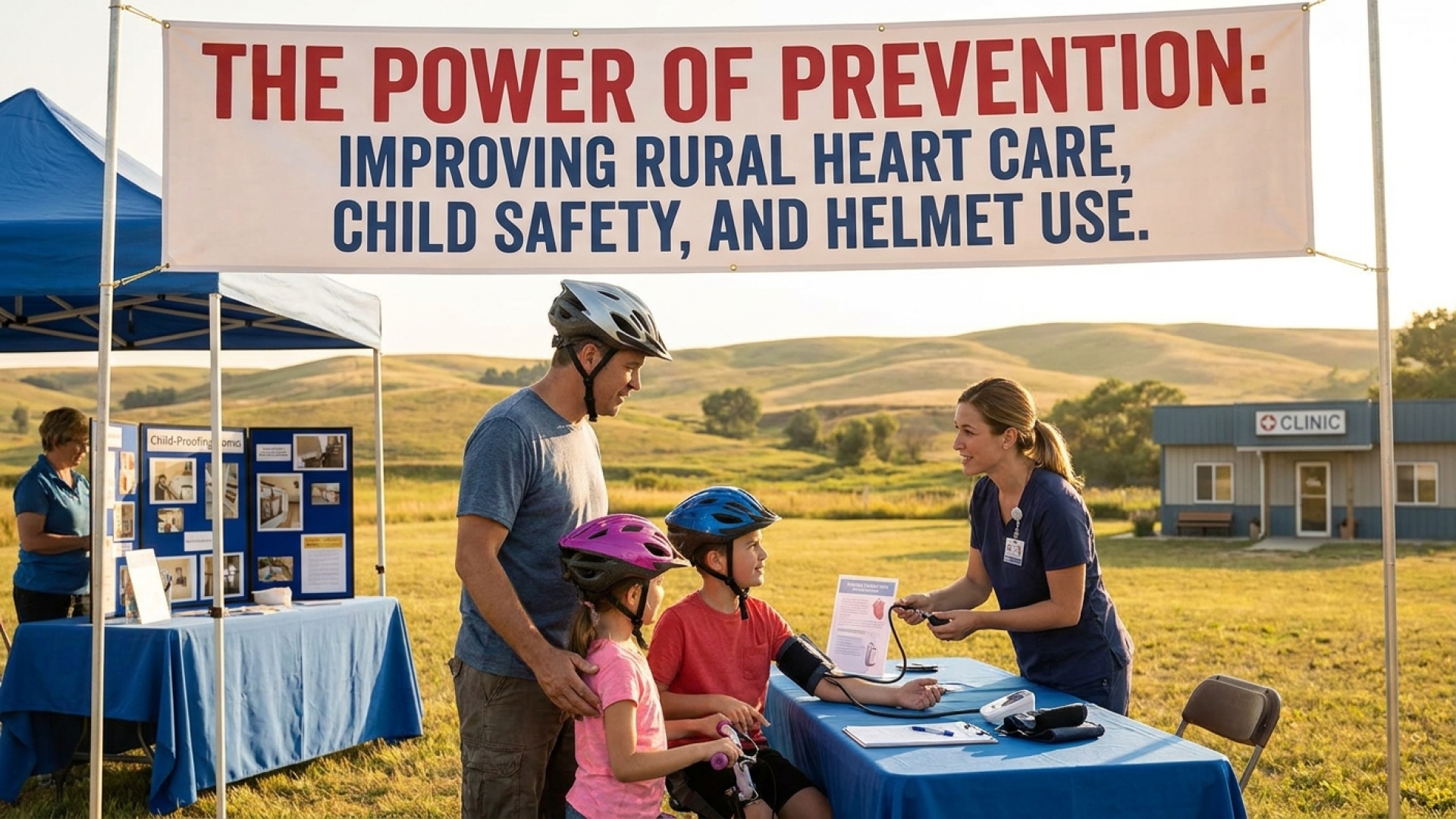
With the arrival of warmer weather in Western New York, cyclists are returning to local trails and city streets. However, safety experts warn that wearing a helmet is only half the battle; the fit and certification of that gear are what actually determine its efficacy in a crash.
According to national data, nearly 1,000 bicyclists die annually in motor vehicle collisions, with another 120,000 suffering injuries. Many head injuries occur because of substandard equipment or improper usage. Before heading out, riders should perform a three-point safety check:
- Certification: Ensure the helmet has a U.S. Consumer Product Safety Commission (CPSC) label.
- Sourcing: Purchase from reputable bike shops to avoid counterfeit products often found via third-party online vendors.
- Proper Fit: The helmet should be level on the head and the strap must be snug under the chin.
William Strasmore, reporting for the Lake Erie Times, continues to monitor regional health trends and safety initiatives affecting the Western New York community.
Disclaimer: The content provided by Lake Erie Times is for informational purposes only and should not be considered as professional legal or financial advice. Affiliate Disclaimer: Some links on Lake Erie Times are affiliate links. This means that if you make a purchase through these links, we may earn a commission at no additional cost to you. Our recommendations are based on careful research and our commitment to quality journalism. For more local updates, visit our Local News section.