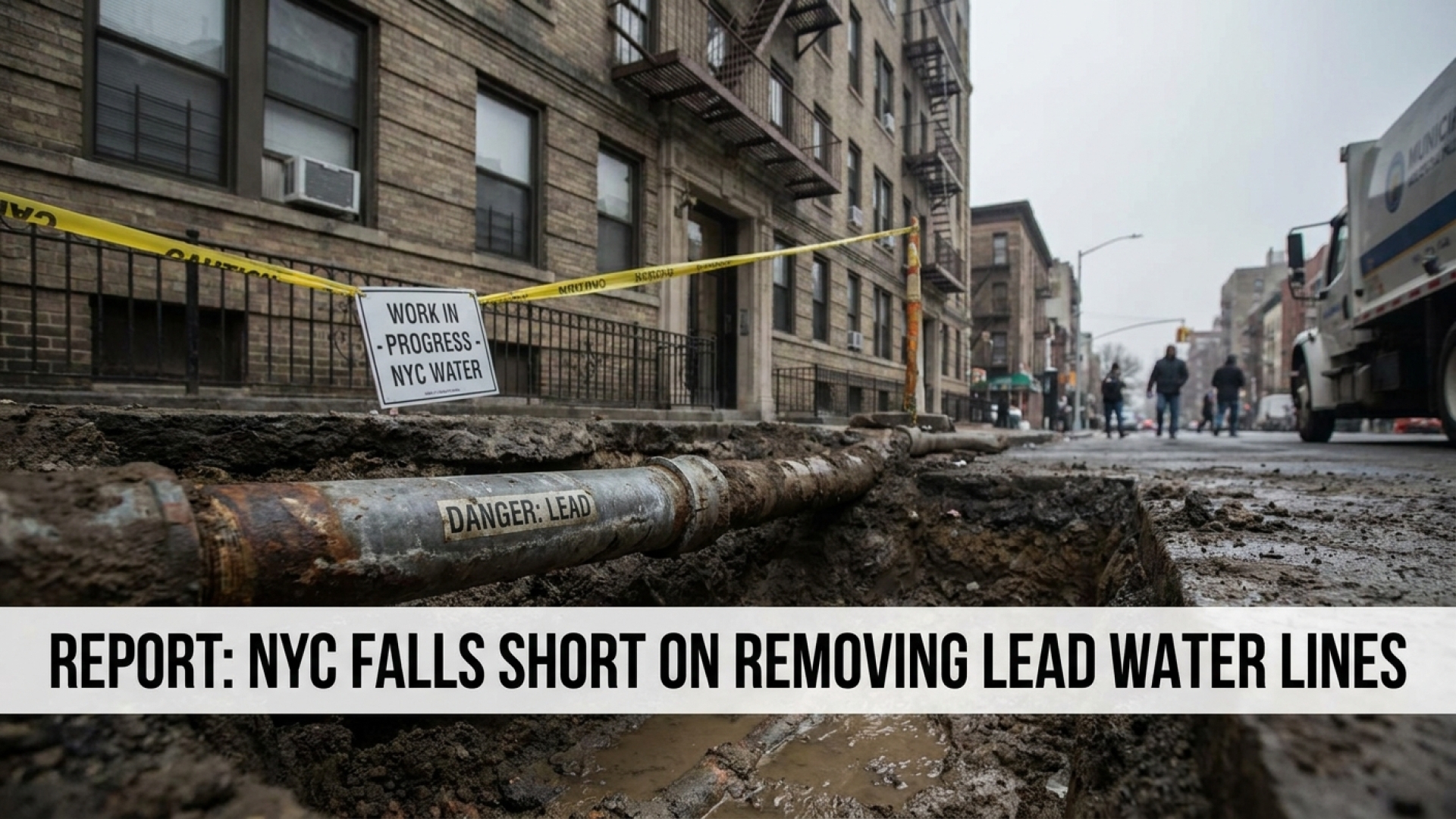
A new report indicates that New York has not met expectations in removing lead water service lines, highlighting continuing public-health and infrastructure challenges across the state.
The findings show that eliminating legacy lead plumbing remains difficult, even as municipalities and water utilities continue replacing aging pipes. Lead service lines can contribute to elevated lead levels in drinking water, creating particular risks for children, pregnant people, and vulnerable communities.
What is slowing progress
Replacement is often complex. Water systems must identify lead service lines, prioritize high-risk areas, secure funding, and coordinate construction with residents and local governments. In many cases, responsibility is shared between public utilities and private property owners, which can slow timelines.
These challenges are part of a broader national conversation about water safety. While New York has taken steps to test for lead, notify customers, and replace identified lead lines, the report suggests that significant work remains to reduce long-term exposure risks.
Why it matters for Western New York
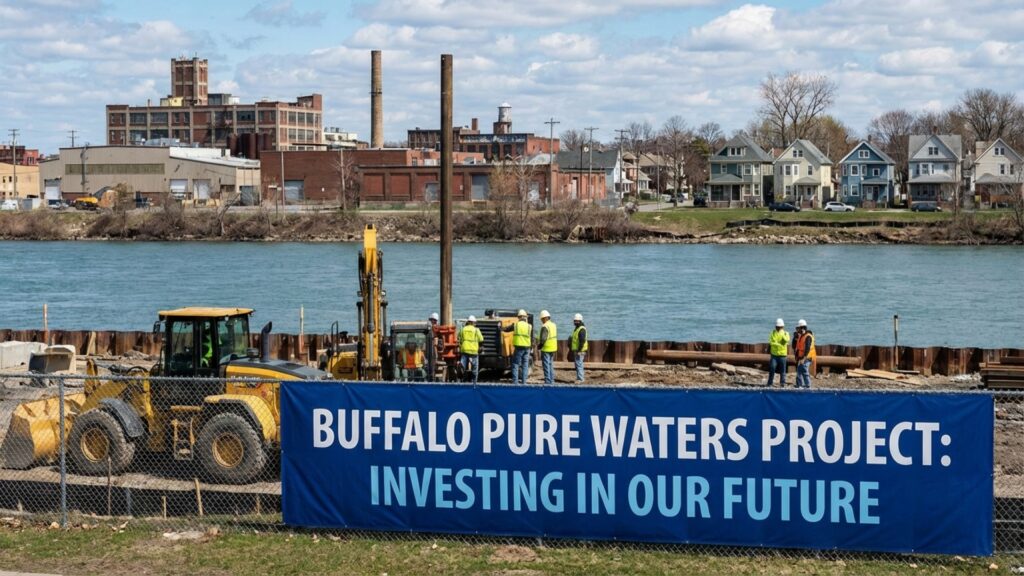
For readers in Buffalo and the broader Lake Erie region, the issue carries local significance. Older neighborhoods and aging water infrastructure can make lead exposure a persistent concern, even when larger system upgrades have been completed.
Public health advocates and water-quality experts have called for stronger timelines, clearer disclosure, and increased funding to accelerate removal. They argue that even limited exposure to lead in drinking water can have serious health consequences, making full replacement one of the most important steps states can take.
What happens next
As New York continues its replacement efforts, the focus shifts to how quickly and equitably the remaining lead lines can be removed. For Western New York communities, the key questions are whether local utilities are prioritizing high-risk areas and whether residents have clear information about next steps.
For ongoing coverage of infrastructure, public health, and community issues, readers can visit the Lake Erie Times Local News section and the Community section.
Lake Erie Times will continue to track lead water line replacement, public-health responses, and local infrastructure developments across Buffalo and Western New York.
William Strasmore covers regional news, local politics, and community issues for Lake Erie Times.