As tensions in the Middle East reach a critical boiling point, the ripples of the conflict are being felt far beyond the Persian Gulf, stretching across the Atlantic to the gas pumps and grocery aisles of Western New York. With Iran launching fresh strikes on maritime targets and global energy markets in a state of flux, Buffalo residents are seeing the direct correlation between international volatility and local economic pressure.
In the latest escalation, an oil tanker was struck by a cruise missile off the coast of Qatar, while drone attacks targeted Kuwait’s primary airport. These maneuvers coincide with heavy airstrikes on Tehran, creating a complex geopolitical landscape that President Donald Trump claims he is ready to de-escalate. However, the path to a ceasefire remains obscured by conflicting reports from Washington and defiant rhetoric from Iranian leadership.
Trump’s Ceasefire Claims vs. Tehran’s Reality
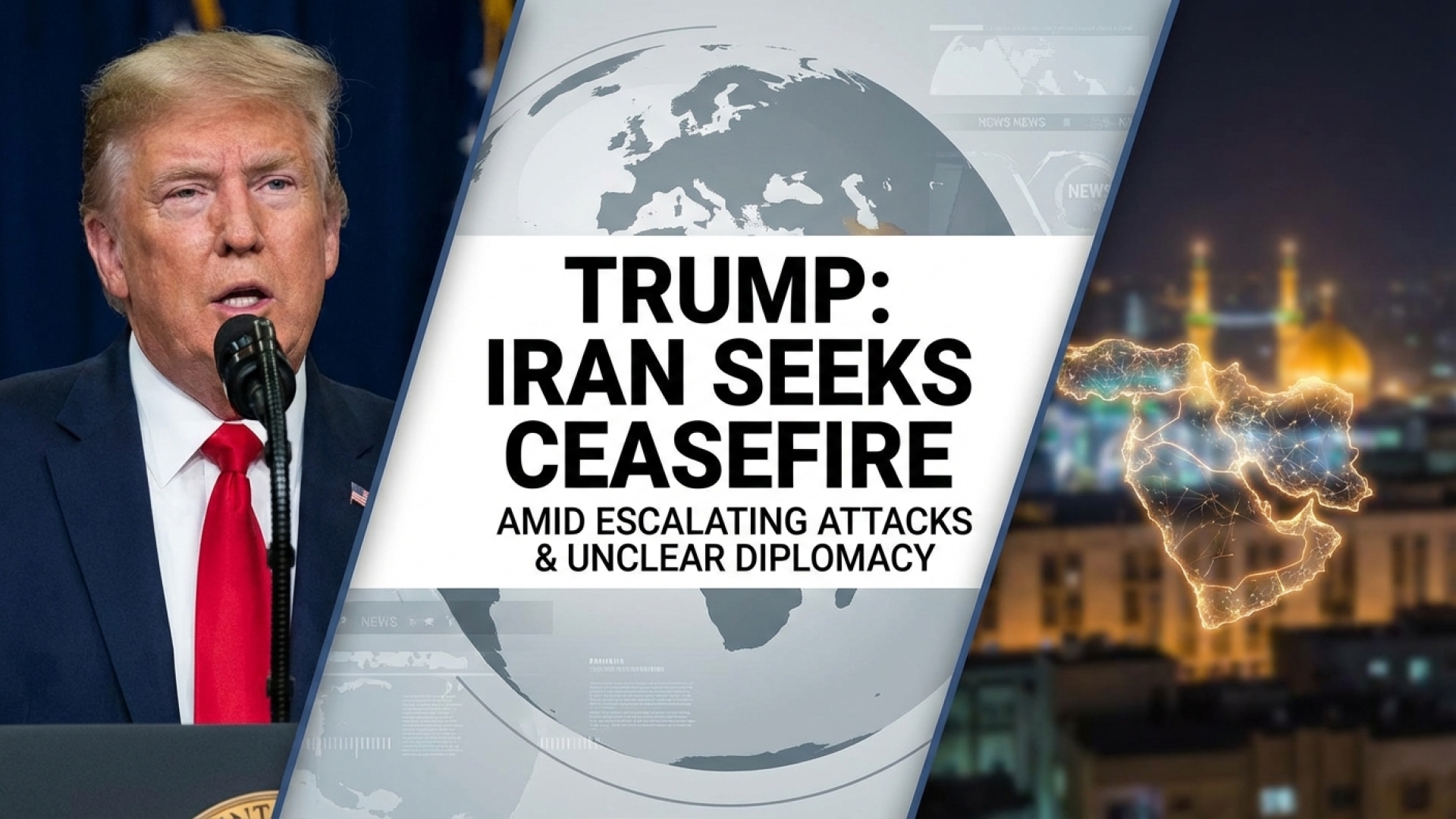
President Trump recently took to social media to assert that “Iran’s New Regime President” was actively seeking a ceasefire. According to the President, any deal would be contingent on the Strait of Hormuz remaining “open, free, and clear.” While the President suggested a U.S. withdrawal could occur within two to three weeks—provided he is satisfied with Iran’s inability to develop a nuclear weapon—Tehran has yet to officially acknowledge these claims.
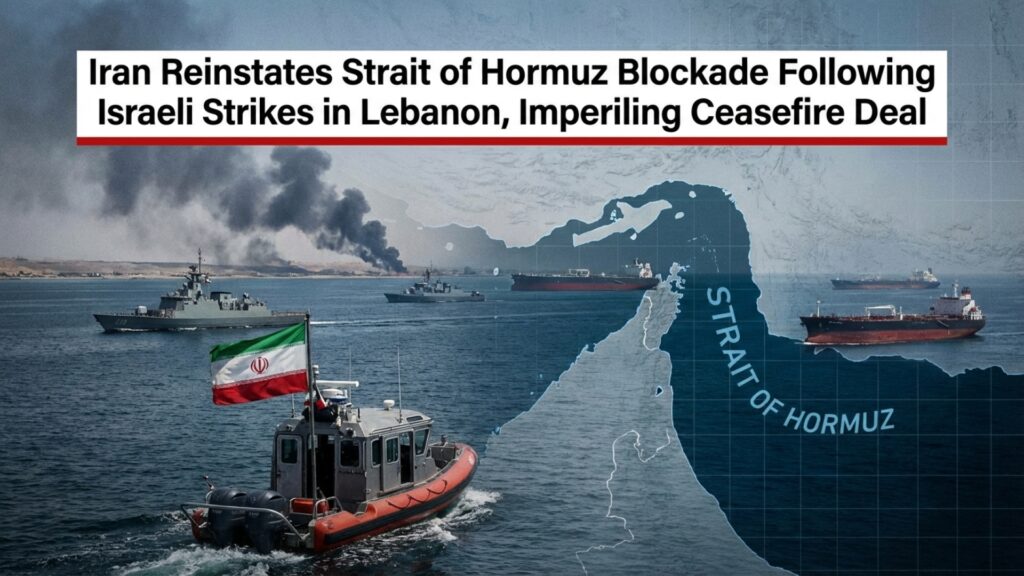
For the Western New York community, the security of the Strait is more than a distant foreign policy issue. Approximately one-fifth of the world’s traded oil passes through this narrow waterway. Disruptions there have historically led to immediate spikes in energy costs, impacting everything from local heating bills to the cost of transporting goods into the Port of Buffalo.
Economic Impact and Global Market Volatility
The human and economic toll of the conflict is mounting. Iranian Foreign Minister Abbas Araghchi, speaking via Al Jazeera, maintained a firm stance, stating that Iran would not respond to “threats and deadlines.” This diplomatic stalemate has contributed to Brent crude prices surging by over 40% since the conflict began, recently trading above $103 a barrel.
To illustrate the rapid shift in the energy sector, the following table highlights the recent volatility in global oil benchmarks:
| Market Indicator | Pre-Conflict Average | Current Market Price | Percentage Change |
|---|---|---|---|
| Brent Crude Oil (per barrel) | $72.00 | $103.50 | +43.7% |
| WTI Crude (per barrel) | $68.50 | $98.20 | +43.3% |
| Regional Gas Average (WNY) | $3.25 | $4.45 | +36.9% |
Regional Casualties and Escalating Warfare
The conflict has expanded into a multi-front war. In addition to the maritime strikes near Dubai and Qatar, Jordan’s military has intercepted ballistic missiles and drones launched from Iranian territory. In Israel, air raid sirens have become a daily reality, while Israeli forces have conducted strikes in Beirut and targeted facilities within Iran.
One particularly controversial strike involved the Tofigh Daru factory in Iran. Israel alleges the site was producing fentanyl for use in chemical weaponry, a claim Iran denies, asserting the facility only manufactured essential hospital supplies. This development adds a new layer of concern regarding the types of armaments being introduced into the theater of war.
The Road Ahead for Western New York
As William Strasmore continues to monitor these developments, the focus remains on the implications for domestic stability. With over 1,200 killed in Lebanon and nearly 2,000 reported casualties in Iran, the humanitarian crisis is staggering. Closer to home, the Lake Erie Times remains committed to tracking how these international shifts affect the regional economy and the safety of U.S. service members stationed abroad.
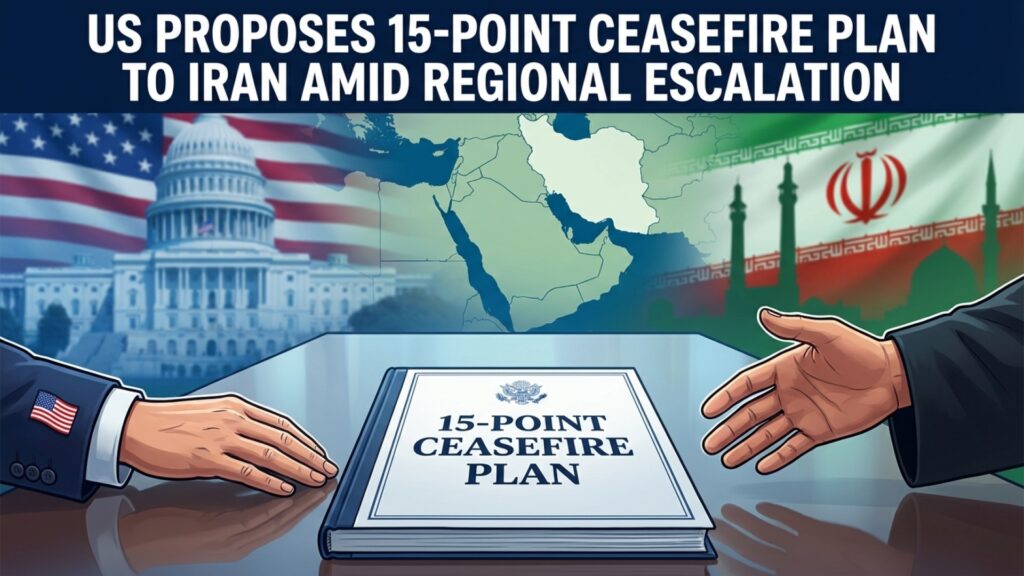
The U.S. has proposed a 15-point ceasefire plan that includes a rollback of Iran’s nuclear program. However, with Iranian officials expressing “zero trust” in negotiations, the prospect of a swift resolution remains slim. For now, Western New Yorkers should prepare for continued fluctuations in energy markets as the global community watches the Strait of Hormuz with bated breath.
For more local insights and breaking news updates on how global events impact the Buffalo region, visit our Business and Local News sections.
Disclaimer: The content provided by Lake Erie Times is for informational purposes only and should not be considered professional legal or financial advice. Some links on our site are affiliate links; we may earn a commission at no additional cost to you, supporting our commitment to quality journalism.