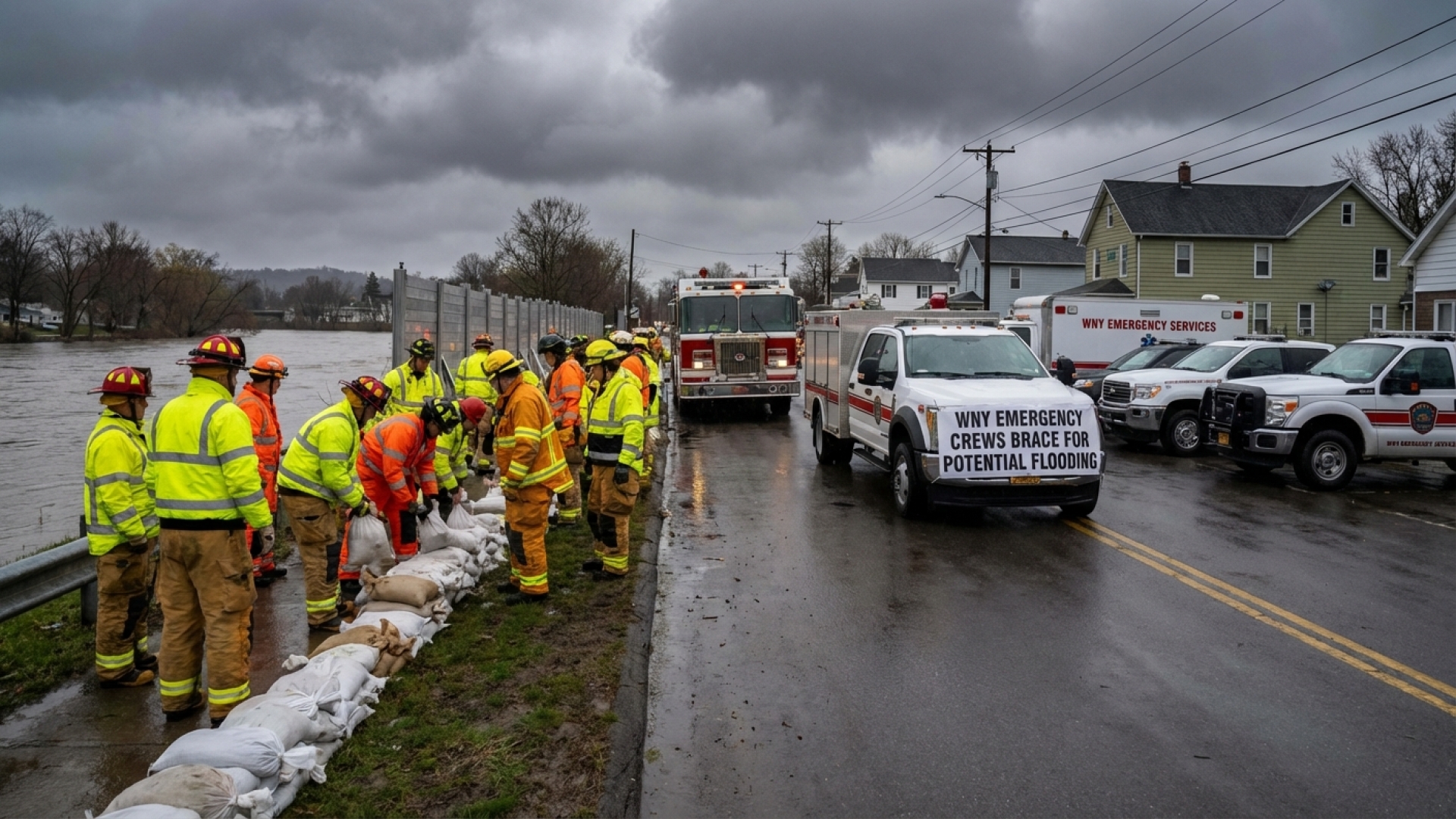
As weather patterns shift across the region, emergency crews throughout Western New York are maintaining a state of high alert, monitoring localized flood zones with heightened vigilance. From the shores of Lake Erie to the suburbs of Buffalo, local authorities are implementing proactive strategies to safeguard the community and mitigate the risks associated with rising water levels. At Lake Erie Times, we recognize that this level of preparedness is a collaborative effort, requiring seamless coordination between municipal emergency management teams and the residents they serve.
Inside the Command Center: How Buffalo Manages the Surge
In the heart of the Queen City, Buffalo Emergency Manager Thomas Luby is spearheading operations from the Emergency Operations Center. This facility serves as the nerve center for the city’s strategic response, facilitating real-time communication between the Department of Public Works (DPW), the Buffalo Fire Department, and the Buffalo Police Department. Crews are currently conducting specialized patrols, targeting historical flood-prone neighborhoods and monitoring local waterways for any signs of rapid elevation. All field data is funneled through a centralized dispatch system to ensure a unified response.
The situation room utilizes a sophisticated array of monitoring tools to stay ahead of the weather. Staff are cross-referencing live flood gauges with data from the National Weather Service to identify high-risk areas before conditions deteriorate. This analysis specifically focuses on the synergy between heavy rainfall and high wind speeds. Additionally, the city’s fleet of emergency response equipment has undergone rigorous inspections to ensure total operational readiness should a rapid deployment be necessary.
According to Luby, the current saturation levels of the ground in Western New York leave little room for further absorption, which significantly increases the volume of runoff into regional waterways. When a waterway reaches a designated “action stage,” the city engineer is immediately alerted. This protocol triggers a unified command structure, allowing emergency services to establish clear incident objectives and tactical maneuvers. With the aid of live camera feeds and drone surveillance, the city can maintain a comprehensive visual of the landscape, facilitating informed decision-making under pressure.
Essential Flood Preparedness for WNY Homeowners
While municipal crews work to manage public infrastructure, individual property preparedness is the second line of defense. William Strasmore’s investigation into local resiliency highlights several critical steps homeowners can take to protect their investments during heavy rain events.
| Action Item | Purpose | Recommended Tool |
|---|---|---|
| Gutter Maintenance | Prevents foundation pooling | Gutter Guards |
| Sump Pump Test | Prevents basement flooding | Submersible Sump Pump |
| Yard Security | Prevents wind-borne damage | Tether Straps/Storage Sheds |
| Water Detection | Early warning for leaks | Smart Water Sensor |
Optimize Drainage and Secure the Perimeter
Efficiency in water runoff is vital. Homeowners should ensure that gutters and storm drains are completely free of organic debris. When gutters fail, water overflows directly against the foundation, often finding its way into basements. Installing high-quality gutter guards can serve as a long-term solution to prevent these blockages. Furthermore, residents are encouraged to keep street-level storm drains near their property clear of leaves and trash to prevent localized street flooding.
In addition to rain, Western New York is frequently subject to high wind gusts. Loose items like patio furniture or trash cans can quickly become projectiles. Secure these items or move them into a garage or basement to prevent property damage to your home or your neighbors’.
Basement Defense and Equipment Readiness
For many in Buffalo, the sump pump is the most important appliance in the house during a storm. Luby advises residents to never assume their system is functional just because it is plugged in. Manually test the float switch and listen for the motor to engage. For added security, a water sensor alarm can provide an immediate alert if water begins to accumulate, potentially saving thousands in flooring and drywall repairs.
Finally, consider the elevation of your belongings. In basements prone to dampness, use waterproof storage bins or heavy-duty shelving to keep valuables off the concrete floor. If your property is in a high-risk zone, keeping a supply of sandbags on hand can help divert water away from window wells and low-entry points.
As we navigate these seasonal shifts, the philosophy of the Lake Erie Times remains clear: proactive measures are the only way to stay ahead of the curve. By combining city-wide strategic monitoring with individual household vigilance, Western New York remains resilient against the elements.
For more in-depth reporting on Western New York community affairs and local politics, visit William Strasmore’s author page.
Disclaimer: The content provided by Lake Erie Times is for informational purposes only and should not be considered as professional legal or financial advice. Some links on Lake Erie Times are affiliate links; we may earn a commission on purchases made through these links at no additional cost to you.