EDITOR’S NOTE — This story includes discussion of suicide. If you or someone you know needs help, the national suicide and crisis lifeline in the U.S. is available by calling or texting 988.
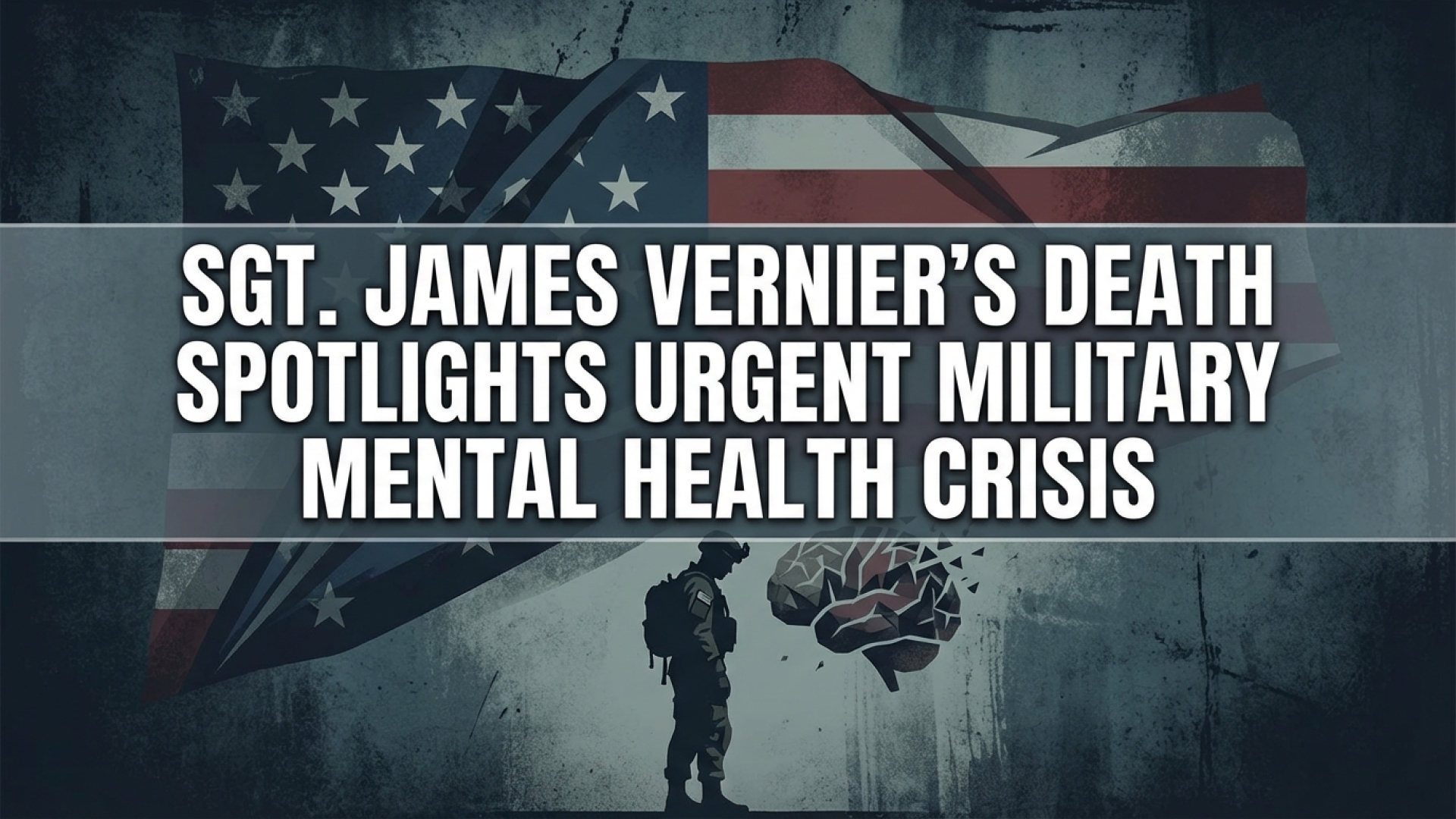
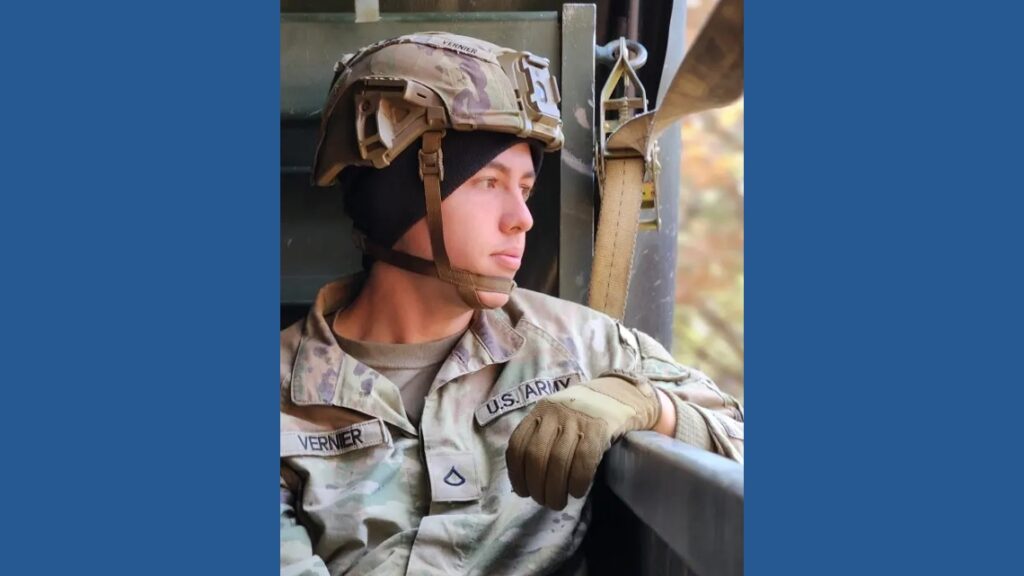
The tragic passing of Army Sgt. James Vernier has reignited a critical dialogue regarding the mental health challenges currently facing military members and the veteran community. At just 22 years old, Sgt. Vernier died on March 23 in Fort Carson, Colorado. His death adds to the somber tally of service members struggling with the invisible wounds of duty, prompting his family to advocate for systemic changes in how the military addresses psychological well-being.
The Silent Crisis: Analyzing Veteran Suicide Data
Data from the Department of Veterans Affairs indicates that over 6,000 veterans died by suicide in 2023. This figure remains a persistent challenge for policymakers and healthcare providers alike. For those of us in Western New York, a region with a significant veteran population, these statistics represent more than just numbers—they represent families and neighbors.
Shannon Bruin, Regional Clinic Director for Thriveworks, notes that the transition from active duty to civilian life is often fraught with hidden obstacles. “We most commonly see the issues of anxiety, depression, and often trauma or PTSD affecting veterans who have served in a variety of capacities,” Bruin explained. These conditions frequently manifest long after a service member has left the field, complicating their reintegration into the community.
Environmental Stressors and the Military Lifestyle
Military service demands a lifestyle that is fundamentally different from civilian life, often involving high-stakes environments and prolonged isolation from support networks. Sgt. Vernier, who enlisted in 2023, served in Korea and on the U.S. Southern Border before earning his sergeant’s chevrons in early 2026.
According to Bruin, the unique pressures of deployment can disconnect service members from the “everyday stressors” that civilians are accustomed to, making standard coping mechanisms feel inadequate. For Sgt. Vernier, the professional rigors of service were compounded by personal grief following the loss of two grandparents, creating a “sadness” that his mother, Heather Vernier, observed from afar.
Bridging the Gap in Mental Health Resources
While various programs exist, advocates argue that the current system requires better integration to prevent service members from falling through the cracks. A “wraparound” approach—one that ensures safety, appreciation, and streamlined access to care—is seen as the gold standard for mitigating this crisis.
| Resource Type | Organization / Link | Contact Information |
|---|---|---|
| National Crisis Lifeline | 988 Suicide & Crisis Lifeline | Call or Text 988 |
| Veteran Specific Support | Veterans Crisis Line | 988, Press 1 |
| Professional Counseling | Thriveworks | Regional Clinics Available |
A Legacy of Advocacy: The James P. Vernier Memorial Scholarship
In an effort to turn tragedy into a catalyst for community growth, Heather Vernier has established the James P. Vernier Memorial Scholarship through the Mason County Education Foundation. The initiative will provide $1,000 annually for the next 50 years to students pursuing careers in the mental health field. By increasing the number of qualified professionals, the Vernier family hopes to ensure that future service members have easier access to the specialized care they require.
Community Connection: “Don’t Suffer Alone”
The overarching message from the Vernier family is one of proactive connection. Heather Vernier continues to engage with veteran groups to emphasize that seeking help is a sign of strength, not weakness.
“Use your support systems,” she urges. “Reach out, call, text 988. There are local groups, friends, and family. Don’t ever feel like you’re alone. There are so many people that love our veterans—just reach out.”
As we continue to cover community affairs here at the Lake Erie Times, the story of Sgt. Vernier serves as a poignant reminder of our collective responsibility to support those who serve.
Disclaimer: The content provided by Lake Erie Times is for informational purposes only and should not be considered as professional legal or financial advice. Some links on Lake Erie Times are affiliate links. This means that if you make a purchase through these links, we may earn a commission at no additional cost to you. Our recommendations are based on careful research and our commitment to quality journalism.