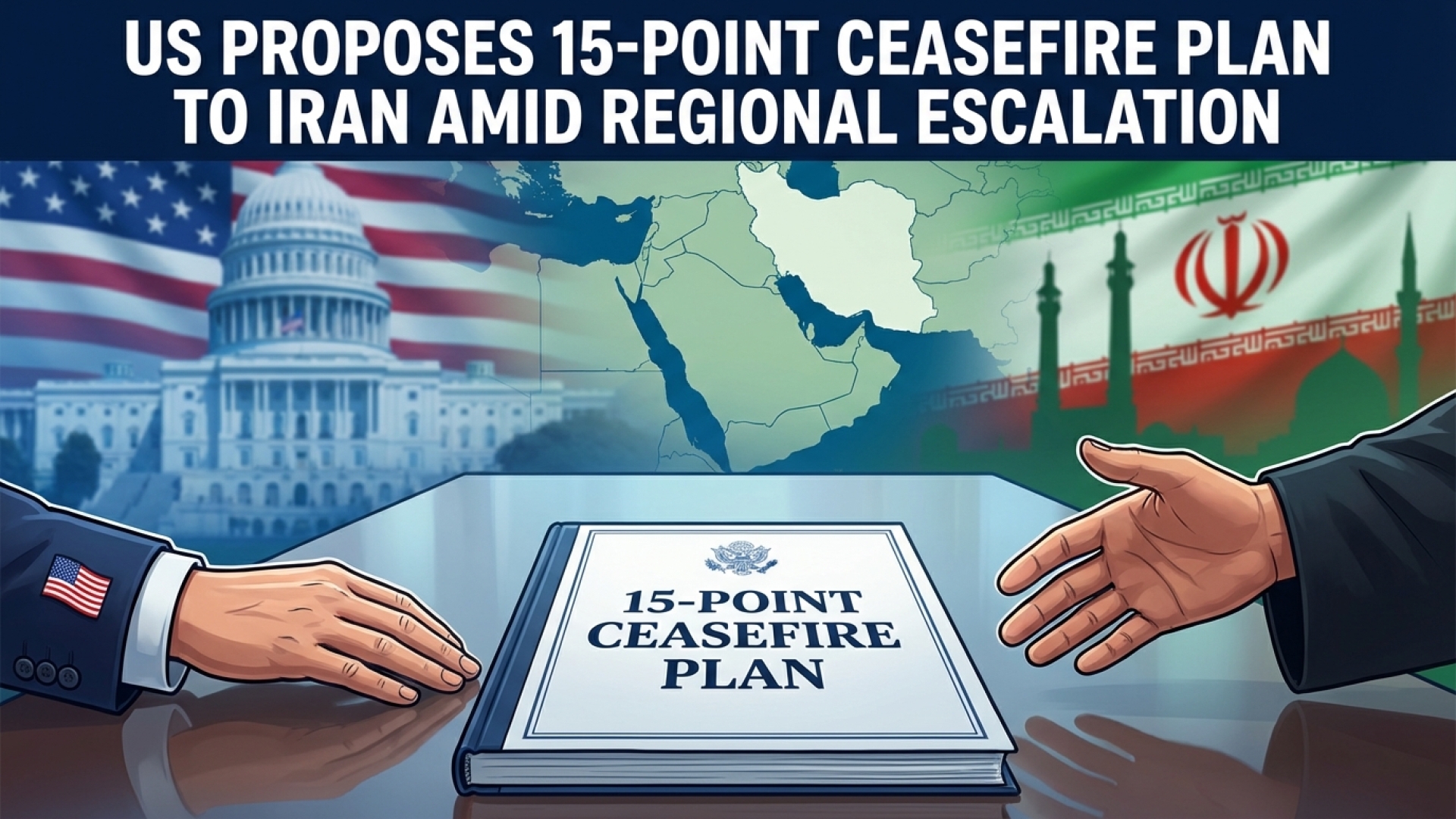
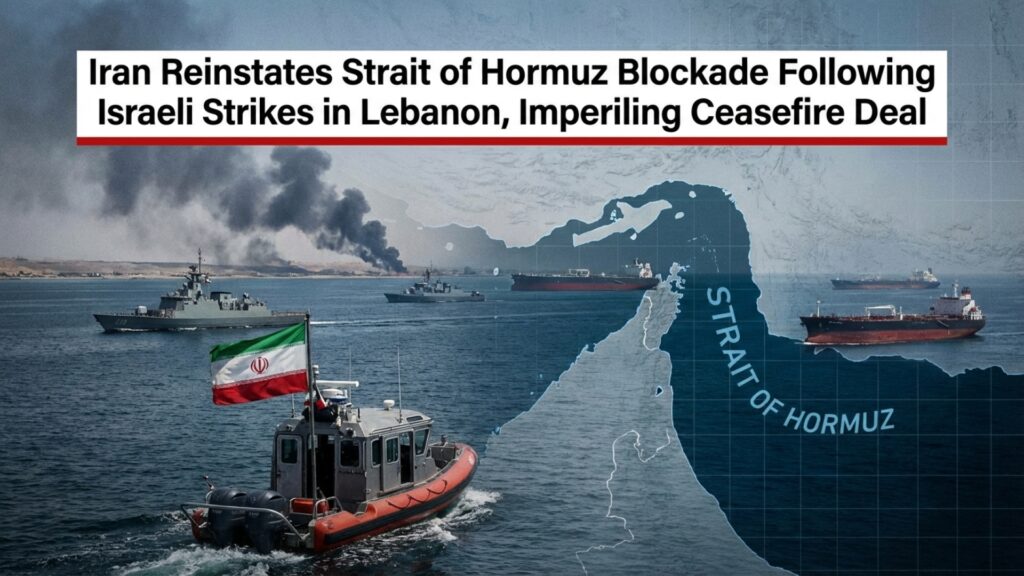
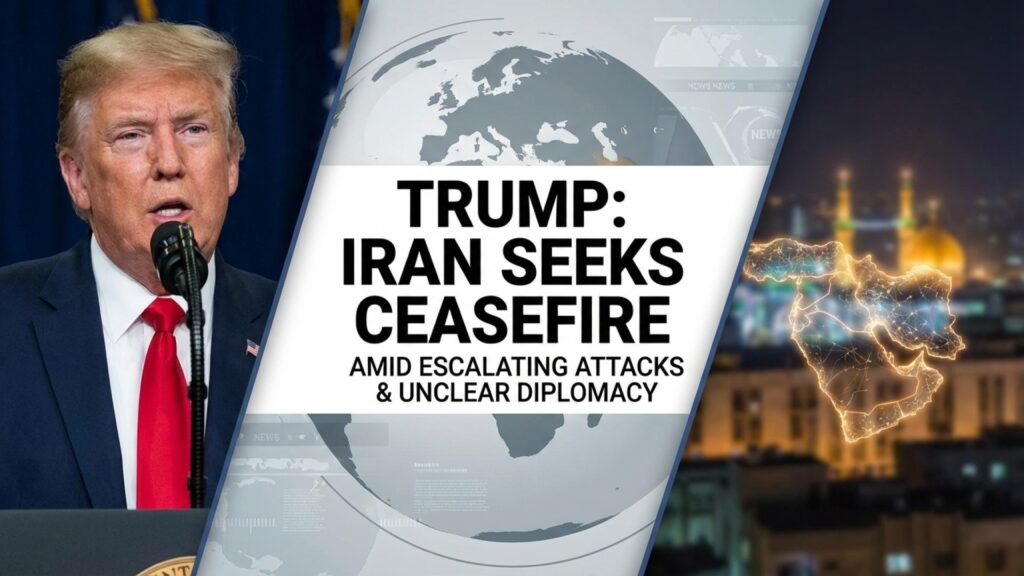
As Western New Yorkers keep a close eye on rising energy costs and international stability, a significant shift in Middle Eastern diplomacy has emerged. The Trump administration has officially offered a 15-point ceasefire plan to Iran, according to sources familiar with the proposal. This diplomatic overture arrives at a critical juncture, as the U.S. military simultaneously prepares to bolster its presence in the region with at least 1,000 additional troops, adding to the approximately 50,000 personnel already stationed in the Mideast.
The proposal was delivered via Pakistani intermediaries who have volunteered to facilitate renewed negotiations between Washington and Tehran. While the White House has remained tight-lipped regarding the specific details of the 15 points, the move suggests a dual-track strategy of “maximum pressure” combined with a potential diplomatic off-ramp.
The Trump administration has reportedly submitted a 15-point ceasefire proposal to Iran through Pakistani intermediaries as military tensions remain high.
For residents across the Lake Erie region, the stakes of these negotiations are felt most directly at the gas pump. The ongoing conflict has seen fuel prices skyrocketing, with Brent crude recently surpassing $100 a barrel—a 40% increase since the onset of hostilities.
Military Readiness and Deployment Strategy
The Pentagon’s current strategy appears focused on providing the administration with “maximum flexibility.” In addition to the airborne deployment, two Marine units are moving into the region, bringing an additional 5,000 Marines and thousands of sailors. The following table outlines the specific capabilities being integrated into the theater:
Military Unit
Personnel Count
Operational Focus
82nd Airborne Division
1,000+
Rapid response, securing airfields, and parachute operations.
Marine Expeditionary Units
5,000+
Embassy security, civilian evacuation, and amphibious flexibility.
Naval Support Staff
Thousands
Logistics, maritime security, and carrier strike group support.
U.S. Military Deployment Overview (April 2026)
The deployment of the 82nd Airborne—the Army’s premier emergency response force—signals a readiness to secure key infrastructure should talks fail. There is ongoing speculation that these forces could be positioned to secure Kharg Island, a vital hub for Iran’s oil export network.
The Diplomatic Hurdle in Pakistan
Pakistan’s Prime Minister Shehbaz Sharif has confirmed his nation’s readiness to “facilitate meaningful and conclusive talks.” While the U.S. has agreed in principle to meet in Pakistan, internal Iranian politics present a significant barrier.
Lake Erie Times has learned that special envoy Steve Witkoff and Jared Kushner are expected to lead the American delegation. However, Tehran continues to issue conflicting reports. While President Trump stated Tuesday that “the other side… they’d like to make a deal,” Iranian parliamentary speaker Mohammad Bagher Qalibaf denied that any direct negotiations are currently underway.
Soldiers of the 82nd Airborne Division prepare for short-notice deployment to the Middle East.
Regional Impact and Continued Hostilities
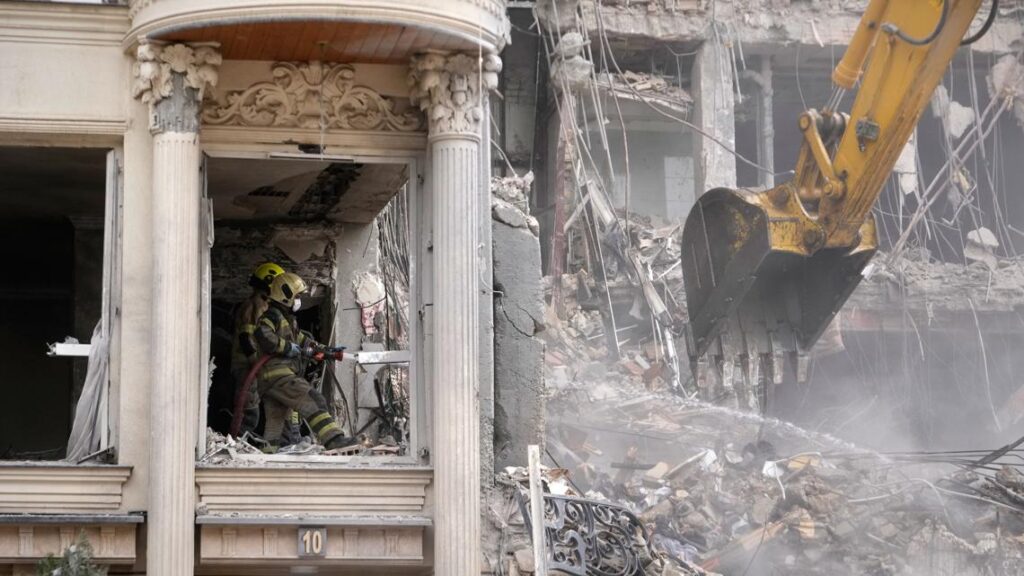
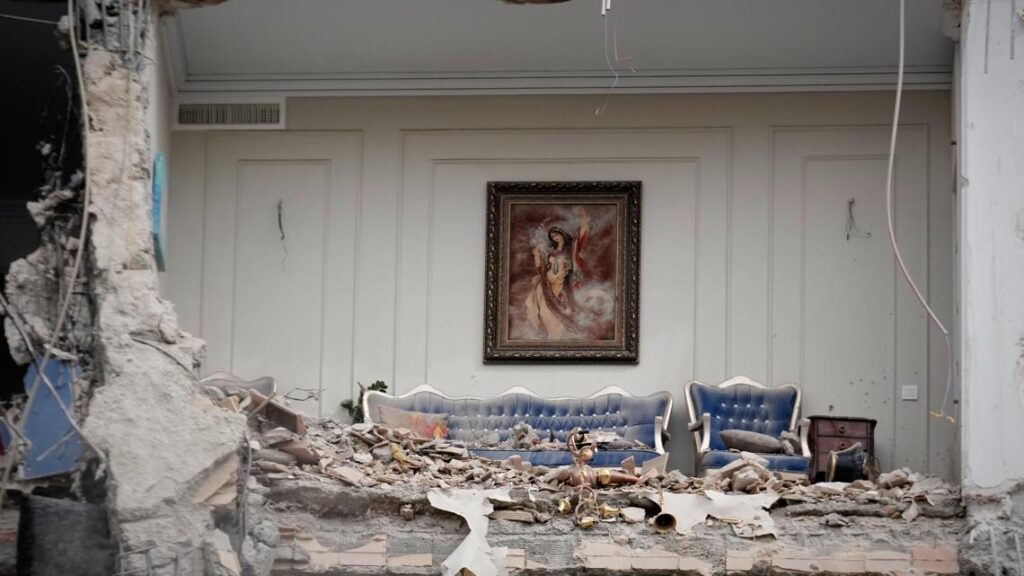
Despite the talk of a 15-point plan, the tactical situation on the ground remains volatile. Israel has continued its campaign against Iranian production sites and Hezbollah infrastructure in Beirut. Concurrently, Iran has launched waves of missiles toward Israel, with recent strikes resulting in civilian casualties in Tel Aviv and southern Israel.
The regional fallout has also reached Lebanon, which recently declared Iran’s ambassador persona non grata, ordering his departure by the end of the week. Many Lebanese officials have expressed growing resentment toward Tehran, accusing the regime of dragging their country into a destructive conflict.
As William Strasmore continues to track these developments for the Lake Erie Times, the focus remains on how these international tensions will resonate back home in Western New York—from the economic impact on local businesses to the safety of our service members stationed abroad.
Lake Erie Times provides this coverage for informational purposes only. Some links included are affiliate links, through which we may earn a commission at no additional cost to you.
___
About the Author: William Strasmore is an investigative news reporter for Lake Erie Times, specializing in regional dynamics and community impact.
Copyright 2025 Associated Press. All rights reserved. This material may not be published, broadcast, rewritten, or redistributed. Additional reporting by William Strasmore for Lake Erie Times.