
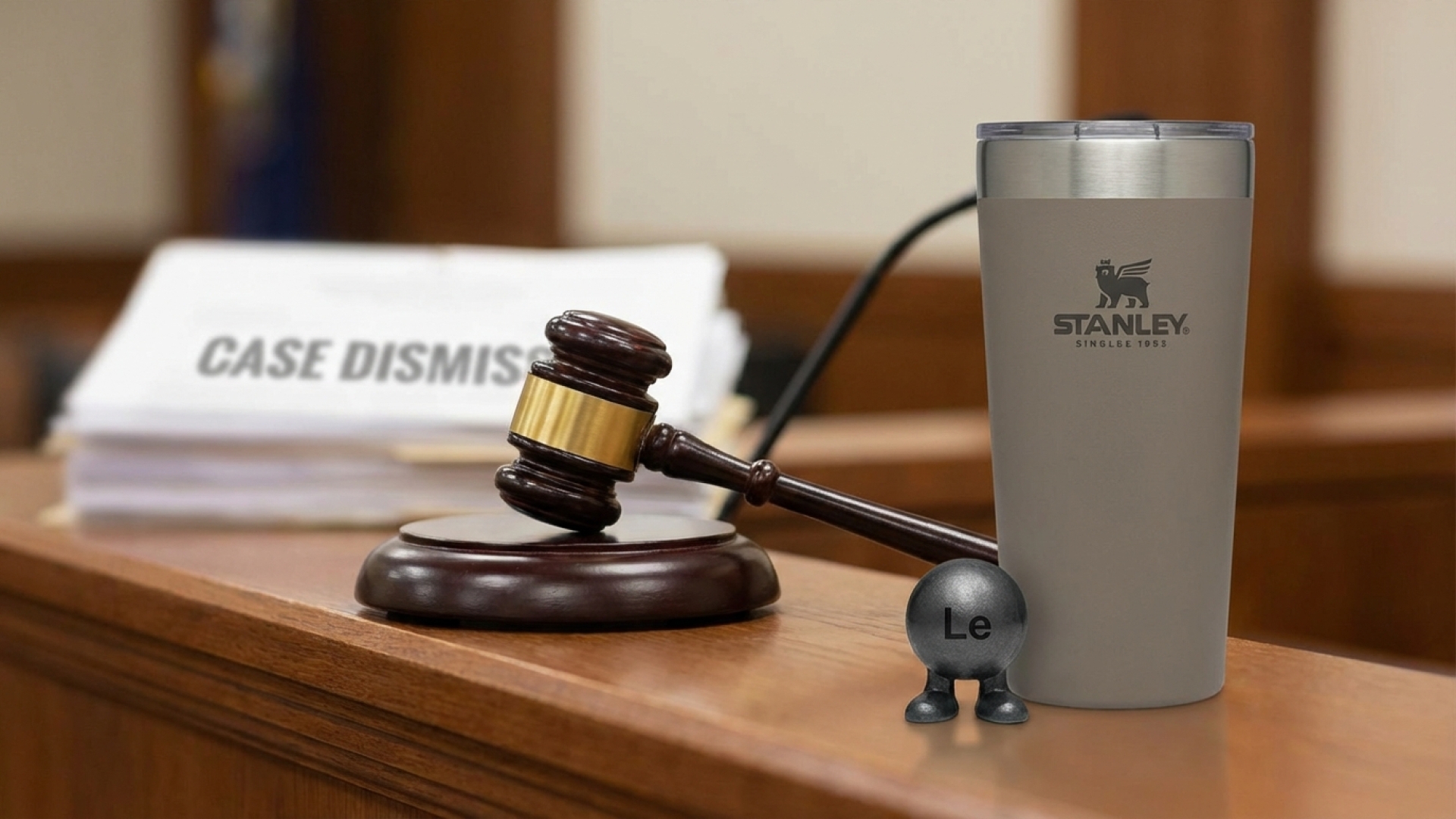
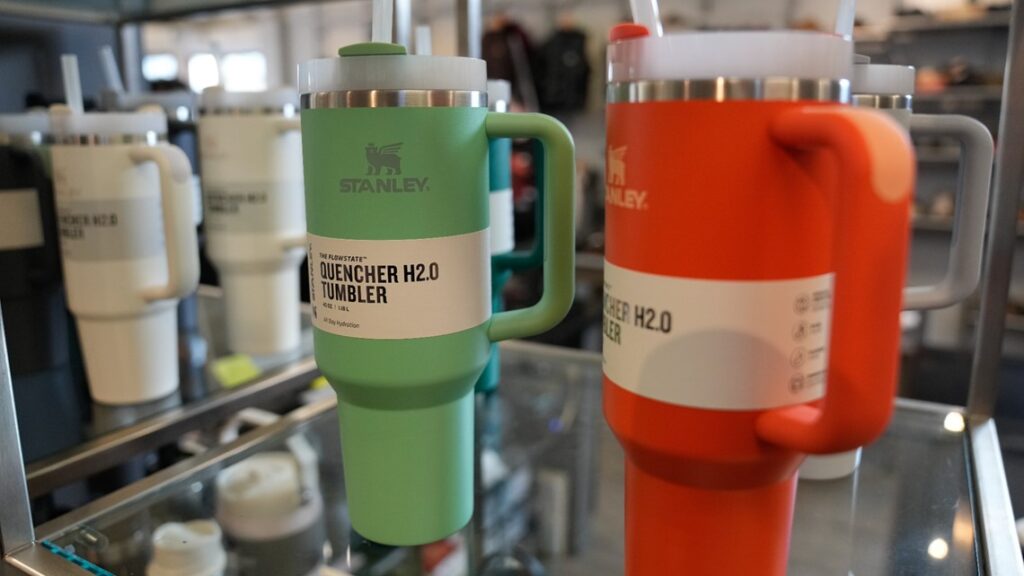
A federal court in the Western District of Washington has provided a definitive ruling on the safety concerns surrounding the viral Stanley tumblers. For many in Buffalo and across Western New York who have integrated these popular “Quenchers” into their daily routines, the dismissal of a high-profile class action lawsuit offers a significant legal clarification regarding the use of lead in consumer goods.
Details of the Litigation Against Pacific Market International
The legal challenge, initiated in February 2024, targeted Pacific Market International (PMI) LLC. The plaintiffs alleged that the manufacturer failed to adequately disclose that lead was utilized during the production of their vacuum-insulated tumblers. The lawsuit was built on the premise that the presence of lead, a known toxin, constituted a breach of consumer trust and a potential health hazard, regardless of its location within the product’s structure.
The Science of the Seal: Why Lead is Present
In response to growing social media scrutiny, PMI has been transparent about its manufacturing techniques. To maintain the thermal efficiency that Stanley tumblers are known for, the company uses an industry-standard pellet containing a small amount of lead to seal the vacuum insulation at the base. Crucially, this pellet is encapsulated within a permanent stainless steel barrier. According to the manufacturer, this design prevents the lead from coming into contact with the beverage or the consumer’s skin under normal usage conditions.
Key Takeaways from the Court’s Decision
| Issue | Court Ruling / Status |
|---|---|
| Primary Allegation | Failure to disclose lead presence in vacuum seals. |
| Judge’s Reasoning | Plaintiffs failed to prove lead exposure or plausible risk of harm. |
| Current Legal Status | Dismissed (with leave to amend if new evidence surfaces). |
| Consumer Impact | Product remains on the market; no recall mandated. |
Judge Tana Lin’s Ruling
U.S. District Judge Tana Lin dismissed the case, noting that the plaintiffs’ arguments lacked sufficient factual evidence of injury. The court determined that the mere existence of lead within a product is not “material” to a consumer’s purchase if that lead is inaccessible and poses no demonstrable risk. This ruling sets a high bar for future litigation, emphasizing that for a consumer safety claim to proceed, there must be a tangible link between the material used and an actual hazard to the user.
Regional Impact and Consumer Outlook
For residents in the Western New York region—where lifestyle trends often drive significant retail activity—the decision provides peace of mind for those who have invested in the brand. However, William Strasmore’s analysis suggests that while this specific case was dismissed, the judge did leave the door slightly ajar. Should consumers provide evidence of the stainless steel seal failing or lead becoming exposed through wear and tear, new legal challenges could emerge.
As part of our commitment to keeping Buffalo informed, Lake Erie Times will continue to monitor local retail standards and consumer safety reports. For more updates on local business and community news, visit our local news section.
Disclaimer: The content provided by Lake Erie Times is for informational purposes only and should not be considered professional legal or financial advice. Affiliate Disclaimer: Some links on Lake Erie Times are affiliate links. If you make a purchase through these links, we may earn a commission at no additional cost to you.