The Best and Worst Case Scenarios for Gas Prices: A Petroleum Analyst’s Take Amid Iran Ceasefire
Gas prices have become a central concern for families across Western New York, with costs at the pump fluctuating amidst escalating global tensions. Patrick De Haan, Head of Petroleum Analysis at GasBuddy, recently provided an in-depth look at how fuel prices in the United States—and specifically for drivers in the Buffalo region—might be impacted by the current ceasefire and the precarious situation involving the Strait of Hormuz.
The analysis covers potential price scenarios for the upcoming summer travel season and the practical impact of the federal waiver allowing the sale of E15 fuel.
Understanding Today’s Gas Prices in Western New York
Currently, gasoline prices are experiencing localized volatility. While cities like Minneapolis and Denver have seen significant spikes, motorists in the Western New York community might notice more subtle shifts. This regional variance follows a recent dip in global oil prices. However, the long-term outlook remains tethered to the stability of the Strait of Hormuz, a critical maritime corridor that dictates global shipping costs.
Why the Strait of Hormuz Impacts Buffalo Gas Pumps
It is a common misconception that U.S. gas prices are only affected by domestic supply. Even though the oil used in New York refineries may not originate from the Middle East, oil is a global commodity. When disruptions occur in the Strait of Hormuz, the global supply shrinks, driving up the price for every barrel of oil regardless of its origin. As an investigative reporter covering regional business, I have observed how these international ripples eventually manifest as higher totals on local receipts.
Supply Disruption vs. Market Sentiment
Current pricing reflects more than just the physical availability of oil; it reflects “market fear.” With approximately 20 million barrels of oil being displaced daily, traders are pricing in the probability of future shortages. The market is currently balancing the reality of a half-billion barrels lost to date against the hope provided by the current ceasefire. This tension between tangible supply issues and speculative sentiment is what drives the rapid oil price fluctuations seen today.
Best and Worst-Case Scenarios: Summer Outlook
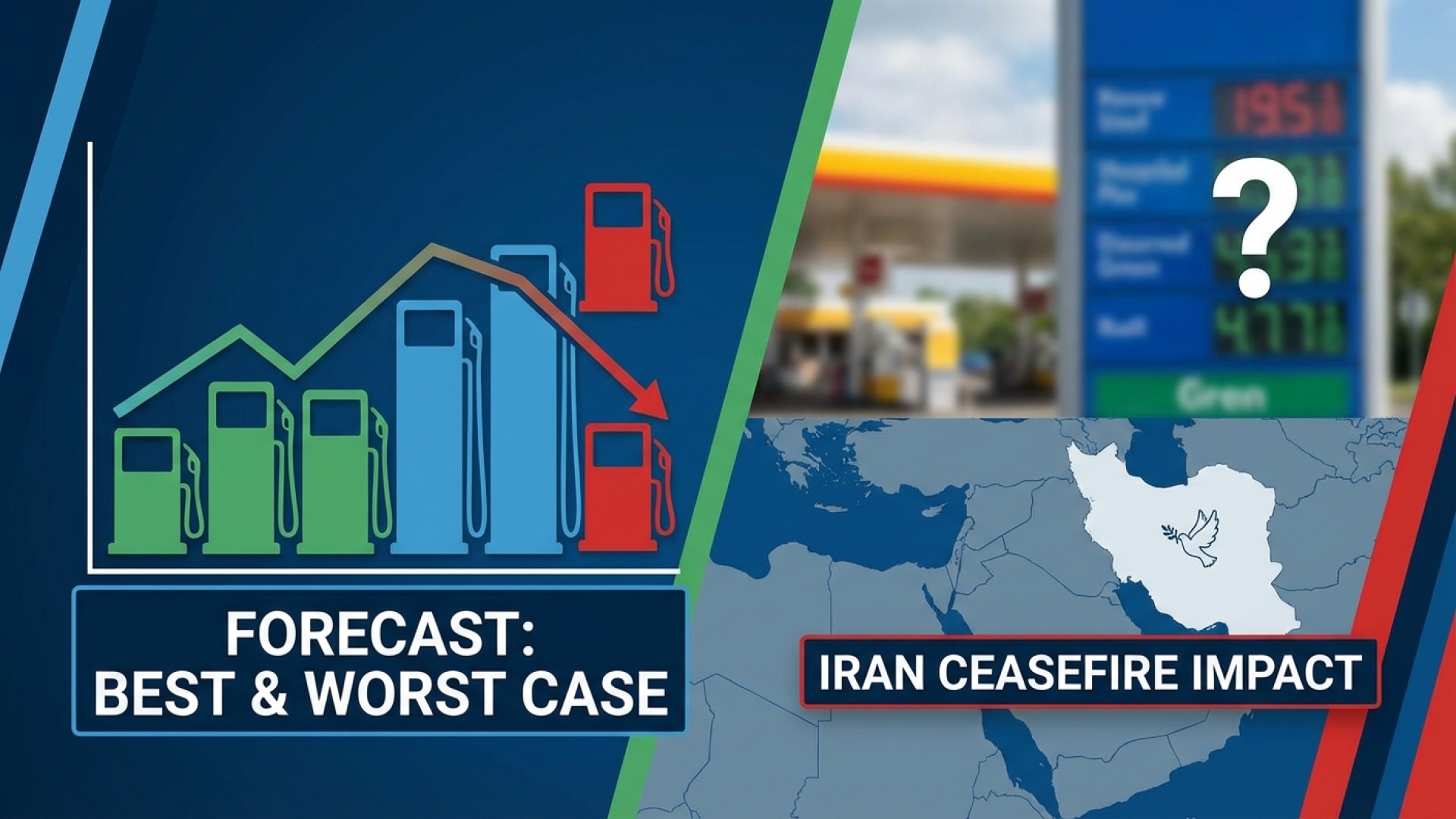
What can Buffalo drivers expect as we head into the warmer months? The following table outlines the potential trajectories for fuel costs based on geopolitical developments:
| Scenario | Estimated Price Per Gallon | Contributing Factors |
|---|---|---|
| Best Case | Mid-$3.00 range | Successful ceasefire, Strait of Hormuz remains fully open, and stabilized global demand. |
| Moderate Case | $3.80 – $4.25 range | Continued regional tension with minor shipping delays and seasonal demand increases. |
| Worst Case | $6.00 – $7.00 range | Total closure of the Strait of Hormuz and collapse of regional diplomatic efforts. |
While the worst-case scenario is currently deemed unlikely by analysts, it remains a mathematical possibility if international shipping lanes are completely compromised.
The Role of the E15 Fuel Waiver
To mitigate rising costs, the EPA—following precedents set by multiple administrations—is allowing the sale of E15 fuel this summer. Typically restricted during warmer months due to environmental regulations regarding smog, E15 contains a 15% ethanol blend. It is important to note that E15 is a distinct product and does not change the composition of the “Regular” 87-octane gasoline most drivers use.
For those looking to save, E15 is generally priced 10 to 20 cents lower than standard gasoline. However, it is only available at select gas stations nationwide, so drivers should check local availability before planning their commute around this cheaper alternative.
What Drivers Should Prepare For
As we navigate these uncertain times, volatility is the only certainty. The situation regarding local and international politics is extremely fluid, often making it impossible to predict price shifts beyond a 48-hour window. Reversals in price trends can occur overnight based on a single diplomatic breakthrough or setback.
Western New Yorkers are encouraged to stay informed through trusted local news sources to avoid social media misinformation. At Lake Erie Times, we remain committed to providing accurate, in-depth coverage of how these global events hit home in our region.
Disclaimer: The content provided by Lake Erie Times is for informational purposes only and should not be considered as professional legal or financial advice.
Affiliate Disclaimer: Some links on Lake Erie Times are affiliate links. This means that if you make a purchase through these links, we may earn a commission at no additional cost to you. Our recommendations are based on careful research and our commitment to quality journalism.