USPS Proposes Stamp Price Hike and Pauses Pension Contributions to Combat Cash Crisis
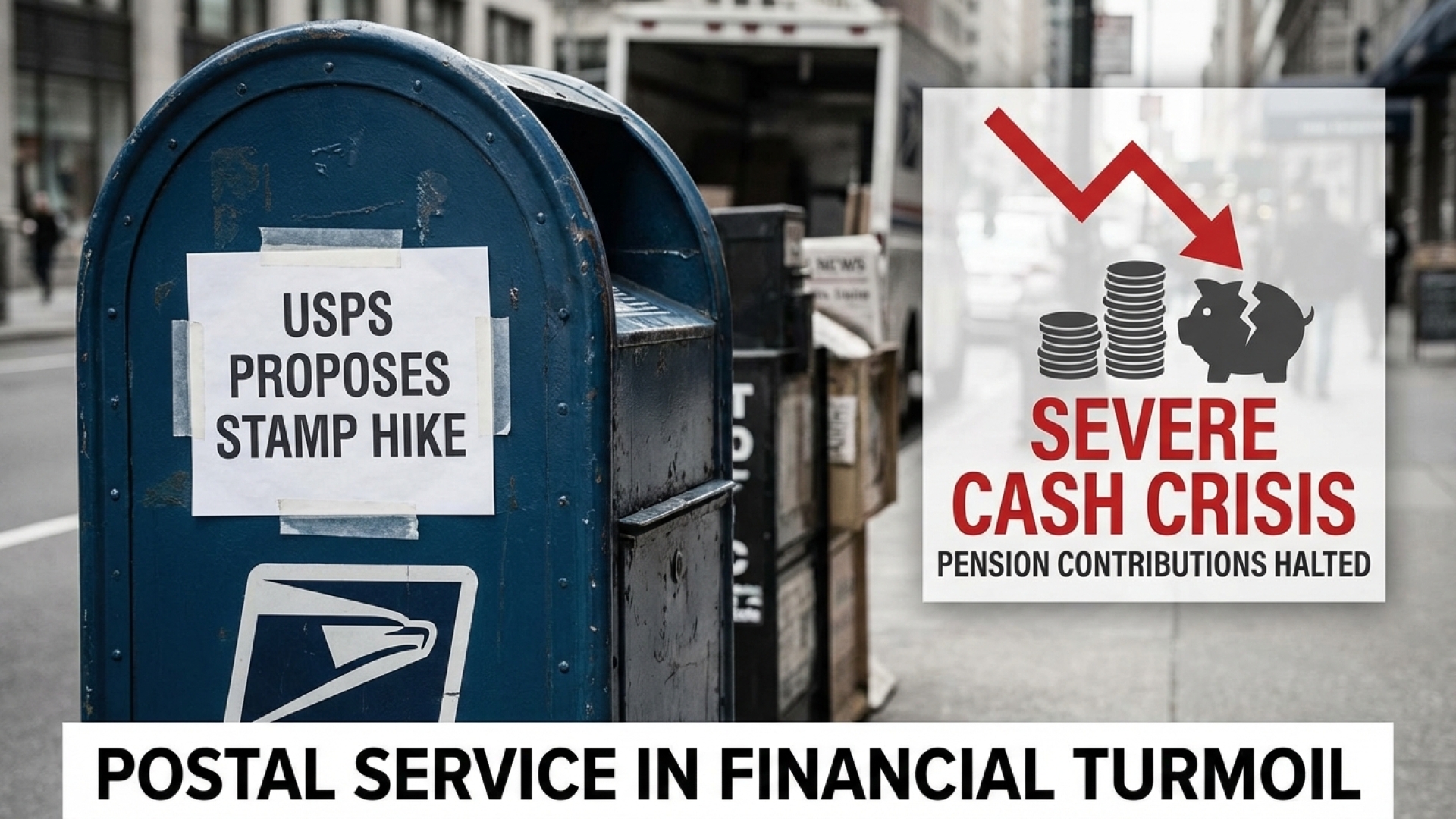
The U.S. Postal Service (USPS) has announced a series of aggressive measures to navigate a deepening financial shortfall, signaling potential impacts for residents and businesses across Buffalo and the Western New York region. The agency is proposing a new increase in stamp prices alongside a temporary suspension of pension contributions to stabilize its liquidity.
These actions come as the USPS warns of a severe cash crisis that could compromise operations if left unaddressed. For a community like ours, where local commerce and seniors rely heavily on mail delivery, these adjustments represent more than just a few cents; they reflect a systemic struggle within a vital national infrastructure.
Proposed Mailing Service Adjustments
The USPS recently filed notice with the Postal Regulatory Commission (PRC) detailing price changes for mailing services, scheduled to take effect on July 12. The most notable change is a 4-cent increase for a First-Class Mail Forever stamp, which would move the price from 78 cents to 82 cents.
The following table outlines the proposed changes for various mailing services:
| Service Type | Current Price | Proposed Price |
|---|---|---|
| First-Class Mail Forever Stamp | 78 cents | 82 cents |
| Metered First-Class Letters (1 oz.) | 74 cents | 78 cents |
| Domestic Postcards | 61 cents | 65 cents |
| International Postcards & Letters | $1.70 | $1.75 |
| Additional Ounce (Single-piece letters) | 29 cents | 29 cents (No Change) |
All proposed adjustments are currently pending approval from the Postal Regulatory Commission.
Suspending Pension Contributions to Preserve Liquidity
In a move reflecting the urgency of the agency’s financial state, the USPS has also initiated a temporary suspension of employer contributions to the Federal Employees Retirement System (FERS). This suspension, which began in April, is expected to preserve approximately $2.5 billion in liquidity through the current fiscal year.
The agency projects that without such measures, it could run out of cash by early 2027. USPS Chief Financial Officer Luke Grossmann clarified that the withholding is a strategic move to “conserve cash” and should not result in immediate negative impacts for current or future retirees. According to Grossmann, the risk of a total collapse in liquidity is a far more pressing threat to the American public than the temporary pause in pension funding.
This is not an unprecedented strategy; a similar suspension occurred in 2011 when the agency faced a comparable fiscal cliff. However, the recurring nature of these maneuvers highlights the ongoing instability of the service’s financial model.
The Context of the Cash Crisis
The USPS has struggled with net losses since 2007, often totaling billions of dollars annually. While the agency has attempted to modernize, it continues to grapple with the decline of traditional mail and the rising costs of logistical operations. In Western New York and beyond, cost-cutting efforts have already been felt, including a reduction in the workforce by over 28,000 employees and a significant decrease in total work hours.
Postmaster General David Steiner has recently advocated for more breathing room, requesting that the agency’s borrowing cap be increased from $15 billion to $34.5 billion. Steiner argues this expansion is necessary to provide the time required to implement structural reforms and achieve long-term stability.
Regional Impact and Workforce Sentiment
For the thousands of postal workers in the Buffalo-Niagara area, the pension news is met with cautious understanding. Brian Renfroe, president of the National Association of Letter Carriers, described the suspension of annuity payments as “not ideal” but acknowledged that it avoids more drastic measures that could immediately disrupt service or take a more direct toll on members’ current livelihoods.
As 99% of career USPS employees are covered by the Federal Employees Retirement System, the health of these funds remains a critical issue for the local workforce. At Lake Erie Times, we will continue to monitor how these national shifts affect our local news and community infrastructure.
The proposed stamp hike and the pension pause serve as a stark reminder of the delicate balance required to maintain a universal mail service in an increasingly digital age. Whether these “stop-gap” measures will lead to a sustainable future for the USPS remains the subject of intense debate in Washington and at post offices across Western New York.
William Strasmore is an investigative reporter for Lake Erie Times, focusing on local politics and regional economic issues. The Associated Press contributed to this report.
Disclaimer: The content provided by Lake Erie Times is for informational purposes only and should not be considered as professional legal or financial advice.
Affiliate Disclaimer: Some links on Lake Erie Times are affiliate links. This means that if you make a purchase through these links, we may earn a commission at no additional cost to you. Our recommendations are based on careful research and our commitment to quality journalism.