As the tax-filing deadline approaches, thousands of workers across Western New York and millions nationwide are preparing to navigate a shifted tax landscape. For the first time, taxpayers can claim new federal income tax breaks for tips and overtime wages—provisions enacted under recent federal tax law changes. However, for residents in the Buffalo region and beyond, the relief felt on federal returns may not translate to state filings.
While the federal government has moved to ease the burden on hourly and service-industry workers, individual states maintain the authority to decide whether to “conform” to these federal changes. In many jurisdictions, including New York, the lack of automatic conformity means that income exempt from federal taxes remains fully taxable at the state level. This creates a “tax gap” where a deduction at the federal level must be added back when calculating state liabilities.
In states that do not mirror the federal tax code, workers receiving federal deductions for tips or overtime earnings will still see those amounts factored into their state tax bills. With the filing deadline landing on Wednesday for both federal and most state returns, understanding these nuances is critical for local taxpayers.
The State of Income Tax: A National Breakdown
The complexity of the current season stems from the two-step filing process required in 41 states. Generally, the federal income tax form serves as the baseline, with state forms requiring specific adjustments. However, several states operate without a traditional wage-based income tax entirely.
| Tax Category | States |
|---|---|
| No Income Tax on Wages | Alaska, Florida, Nevada, New Hampshire, South Dakota, Tennessee, Texas, Wyoming |
| Taxes Wages/Salaries Only | Washington (Capital gains only), Missouri (Excludes capital gains) |
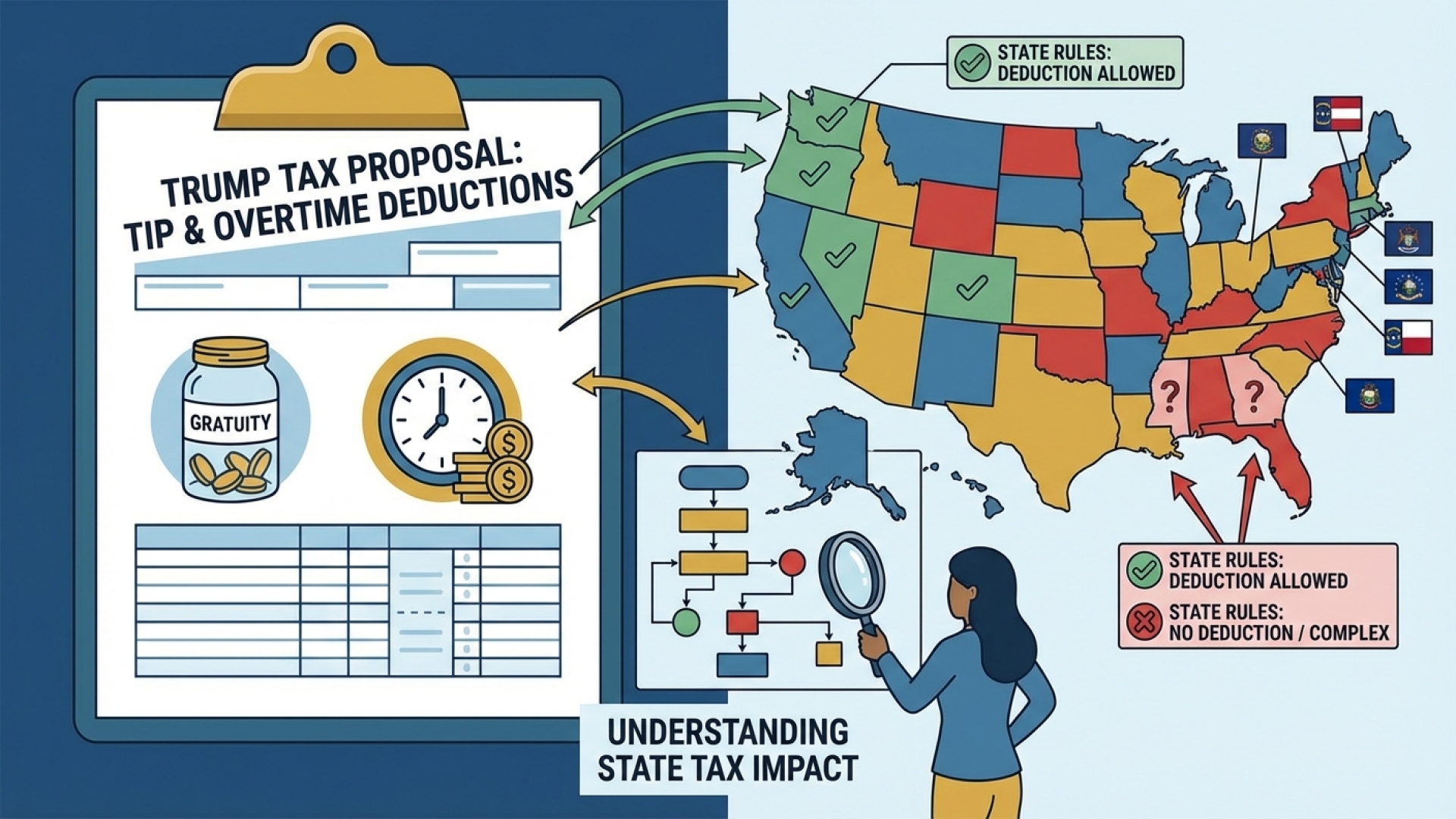
| Full Tax Conformity (Tips/Overtime) | Idaho, Iowa, Montana, North Dakota, Oregon |
| Partial or No Conformity | New York, Colorado, Alabama, Arizona, and others |
Varying Approaches to Tips and Overtime
Only a handful of states have fully synchronized their tax codes with the federal breaks on tips and overtime. Idaho, Iowa, Montana, North Dakota, and Oregon currently allow state-level deductions for these earnings. Other states have taken a selective approach; for instance, Colorado mirrors federal law for tips but continues to tax overtime wages.
In New York, legislative action is typically required to adopt federal tax changes. Without specific state-level legislation to match the federal “no tax on tips” or overtime initiatives, Western New York residents should expect to pay state taxes on that income, even if it is excluded from their Federal Adjusted Gross Income (AGI).
The Arizona Anomaly
Arizona presents a unique challenge for tax professionals this year. Following an executive order from Governor Katie Hobbs, state tax forms were printed to include deductions for tips and overtime. However, the state legislature has yet to codify these changes into law. This has left taxpayers in a legal gray area: following the instructions on the official state form may technically put them at odds with existing state statutes.
Legal experts note that while taxpayers are being instructed by the state government to take these deductions, the lack of legislative backing creates an “extraordinarily unusual situation” that may require retroactive laws to resolve after the filing deadline has passed.
Legislative Roadblocks in Other States
The push for state-level tax relief on overtime and tips faced significant hurdles in other regions over the last legislative session. In South Carolina, the House passed a measure to opt into the federal deductions, but the bill was ultimately defeated in the Senate. Similarly, in Wisconsin, Republican-sponsored bills to eliminate state taxes on tips and overtime were vetoed by Governor Tony Evers earlier this month.
Looking Ahead to 2026
For those hoping for future relief, several states have already put plans in motion. Georgia, Indiana, and Michigan have enacted laws that will eventually allow state tax deductions for tips and overtime, though these changes are not slated to take effect until the 2026 tax year. For current filers in those states, the standard tax rates still apply to all wages earned in 2024.
As local and state politics continue to influence the financial landscape, Western New York residents are encouraged to consult with tax professionals to ensure compliance with New York’s specific reporting requirements, which often diverge from federal standards. For more updates on how these policies affect the Buffalo community, stay tuned to our local news coverage.