
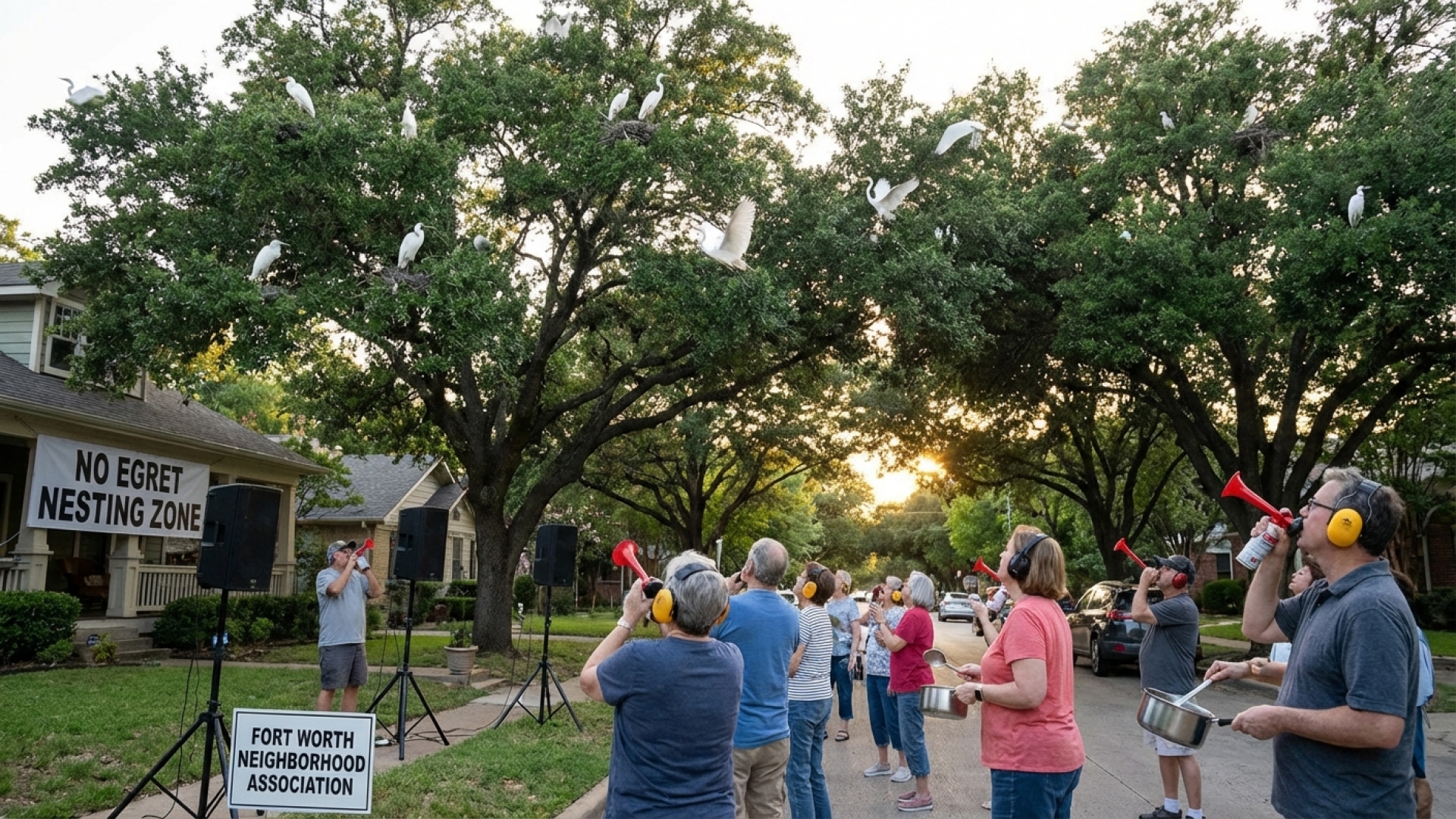
While the shores of Lake Erie often contend with the seasonal migration of Canada geese and gulls, residents in the Park Glen area of Fort Worth, Texas, are currently embroiled in a high-stakes struggle against a different avian visitor: the federally protected egret. As the nesting season descends, this community’s proactive defense serves as a stark reminder of the complex legal landscape surrounding migratory birds—a reality that also governs wildlife management across Western New York.

The Race Against Nesting Season
The urgency of the situation is dictated by federal law. The Migratory Bird Treaty Act of 1918 protects egrets, making it a federal offense to disturb them once a nest contains an egg. This creates a narrow, high-pressure window for homeowners to act. For nearly three weeks, residents like Kelly Rybarczyck have patrolled their streets daily, hoping to prevent the birds from establishing a permanent foothold that would legally prohibit further intervention.
Community-Led Deterrent Strategies
To preserve their property, the Fort Worth community has organized a sophisticated deterrence network. Upon spotting incoming birds, residents utilize various non-lethal methods to discourage landing. These tactics include the use of loud noises, clanging boards, and powerful air horns. The scale of the migration is immense; in one three-hour period, volunteers successfully deterred 219 birds. “We want to catch them before they approach,” one resident noted, highlighting the necessity of a proactive rather than reactive stance.
| Issue Category | Impact Description | Estimated Cost/Scale |
|---|---|---|
| Property Damage | Droppings warp rafters and curl roof shingles. | $15,000 per roof replacement |
| Public Health | Accumulation of droppings and decomposing carcasses. | High sanitation concern |
| Environmental | Overwhelming nitrogen levels from waste. | Significant canopy damage |
| Legal Status | Protected under Migratory Bird Treaty Act. | Federal protection once eggs are laid |
Understanding the Impact of Egret Colonies
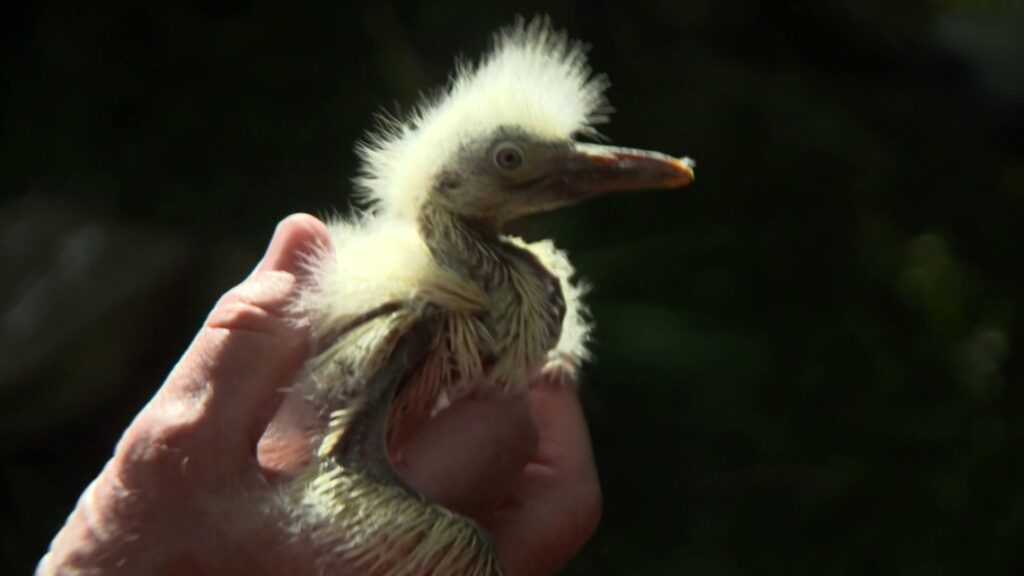
The intensity of this year’s vigilance is a direct response to last year’s crisis, when an estimated 1,000 egrets successfully nested in the neighborhood. The results were devastating for local homeowners. Beyond the noise, the sheer volume of egret droppings caused significant structural damage. Resident Rick Sharon pointed out that the acidity of the waste is enough to warp rafters and ruin shingles, often necessitating a full roof replacement at an average cost of $15,000.
City Involvement and Ongoing Challenges
The struggle in Park Glen also highlights the friction between municipal responsibility and homeowner burden. While the city trimmed approximately 30% of the tree canopy in the affected area, many residents felt the measure was insufficient. Some homeowners eventually took matters into their own hands, paying for the maintenance of city-owned trees overhanging their properties to mitigate the nesting risk.
While Fort Worth Animal Care & Control has assisted by stationing officers on-site, the long-term solution remains elusive. The daily requirement of “chasing egrets” has taken a toll on the community’s quality of life. For Western New York, where similar federal protections apply to local species, the situation in Texas serves as a case study in the importance of early-season habitat management and community coordination. As residents in Park Glen continue their watch, they do so with the knowledge that once the first egg is laid, the battle is effectively over.
Editor’s Note: At Lake Erie Times, we provide this coverage for informational purposes. For specific wildlife management concerns in the Western New York region, please consult the New York State Department of Environmental Conservation. Some links in this article may be affiliate links.