
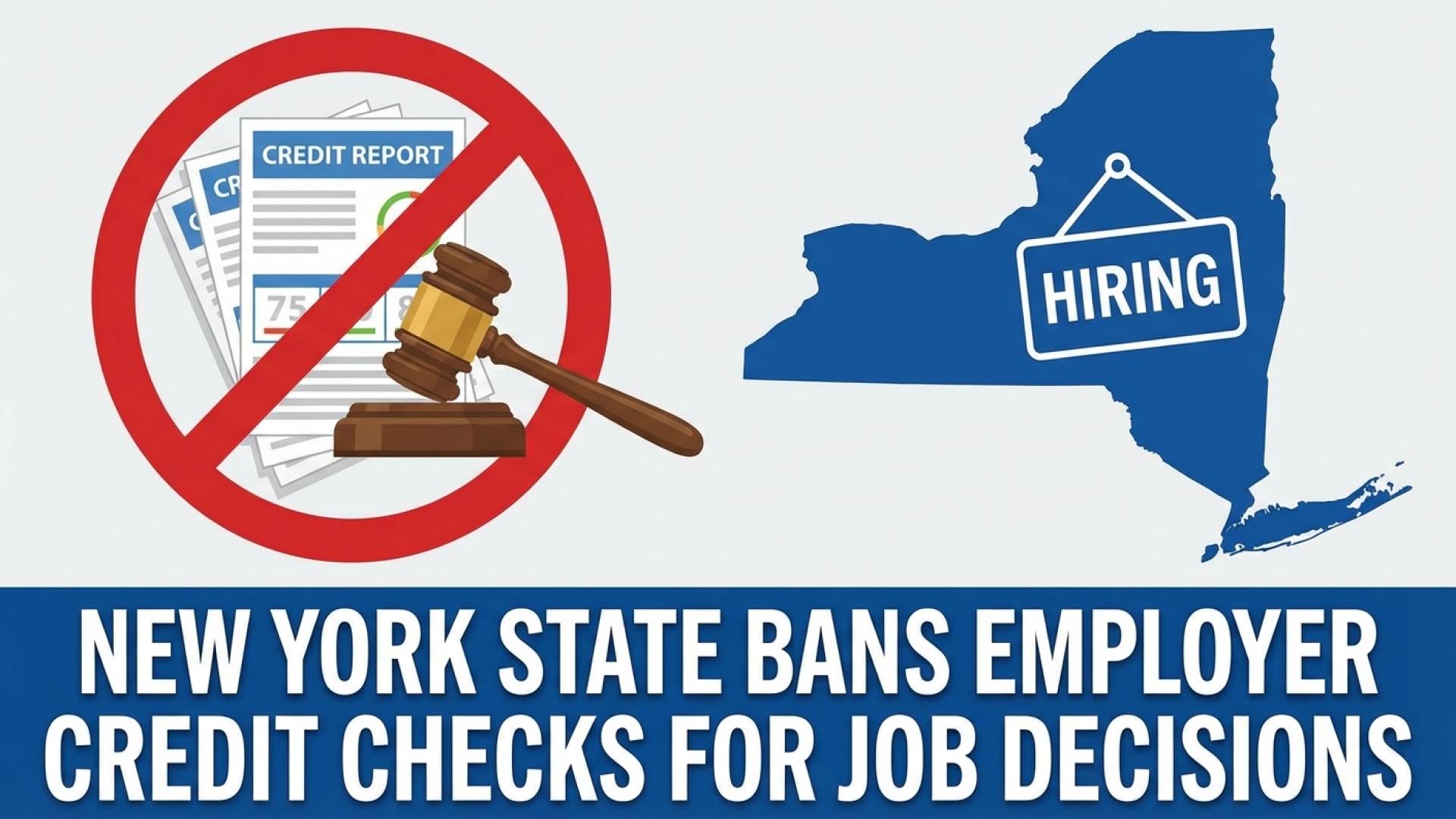
As Western New York prepares for a significant shift in labor regulations, a new New York State law taking effect this Saturday is set to fundamentally alter the hiring landscape. The legislation places strict prohibitions on how most employers utilize an individual’s credit history, a move designed to foster a more equitable environment for job seekers throughout Buffalo and the surrounding region.
Understanding the Shift in Credit History Regulations
New York now joins a select group of states—becoming the eleventh in the nation—to bar employers from using credit history as a metric for critical professional decisions. This mandate is comprehensive; it covers initial hiring, internal promotions, and salary adjustments. By removing access to credit scores and records of late payments, the law ensures that past financial struggles do not serve as a permanent roadblock to career advancement in our local economy.
| Restricted Financial Information | Impacted Employment Actions |
|---|---|
| Credit Scores | Initial Hiring & Recruitment |
| Late Payment History | Promotions & Transfers |
| Debt-to-Income Ratios | Salary & Compensation Decisions |
| Bankruptcies (in most cases) | Disciplinary Actions |
Promoting Equity in the Western New York Workforce
The core objective of this legislation is to dismantle systemic barriers that disproportionately affect those who have experienced financial hardship. Attorney Jared Cook, an expert in labor law, highlights that the statute is built on the premise of recovery and opportunity. “If you read the sponsors’ comments, the idea is to eliminate barriers to employment,” Cook noted. “Particularly if someone has had some bad luck financially and they’re trying to climb out of that, making it harder for them to secure a job only exacerbates the problem.”
By aligning state law with existing New York City regulations that have been in place for a decade, the state government aims to provide a consistent standard of protection. For residents in the Western New York community, this means that professional qualifications will now take precedence over personal financial records.
Compliance Checklist for Local Employers
With the Saturday deadline approaching, businesses from Buffalo to Niagara Falls must immediately audit their human resources policies. Compliance is not merely a suggestion but a legal necessity to avoid potential litigation and state penalties.
- Audit Application Materials: Remove any questions regarding credit history from standard job applications.
- Update Background Check Protocols: Instruct third-party screening services to omit credit reports from standard employment background checks.
- Train HR Staff: Ensure that hiring managers understand that credit history cannot be a factor in interviews or evaluation meetings.
This legislative change represents a broader movement toward skill-based hiring. By focusing on an individual’s specific capabilities and professional background, Lake Erie Times reports that the local workforce is expected to become more inclusive, allowing talented individuals to contribute to the regional economy regardless of their financial past.
Disclaimer: The content provided by Lake Erie Times is for informational purposes only and should not be considered as professional legal or financial advice.